 Free shipping on orders over £29,85
  Shipping Tracking!


 Google
 Facebook
← Back to How do you polish camper resin?
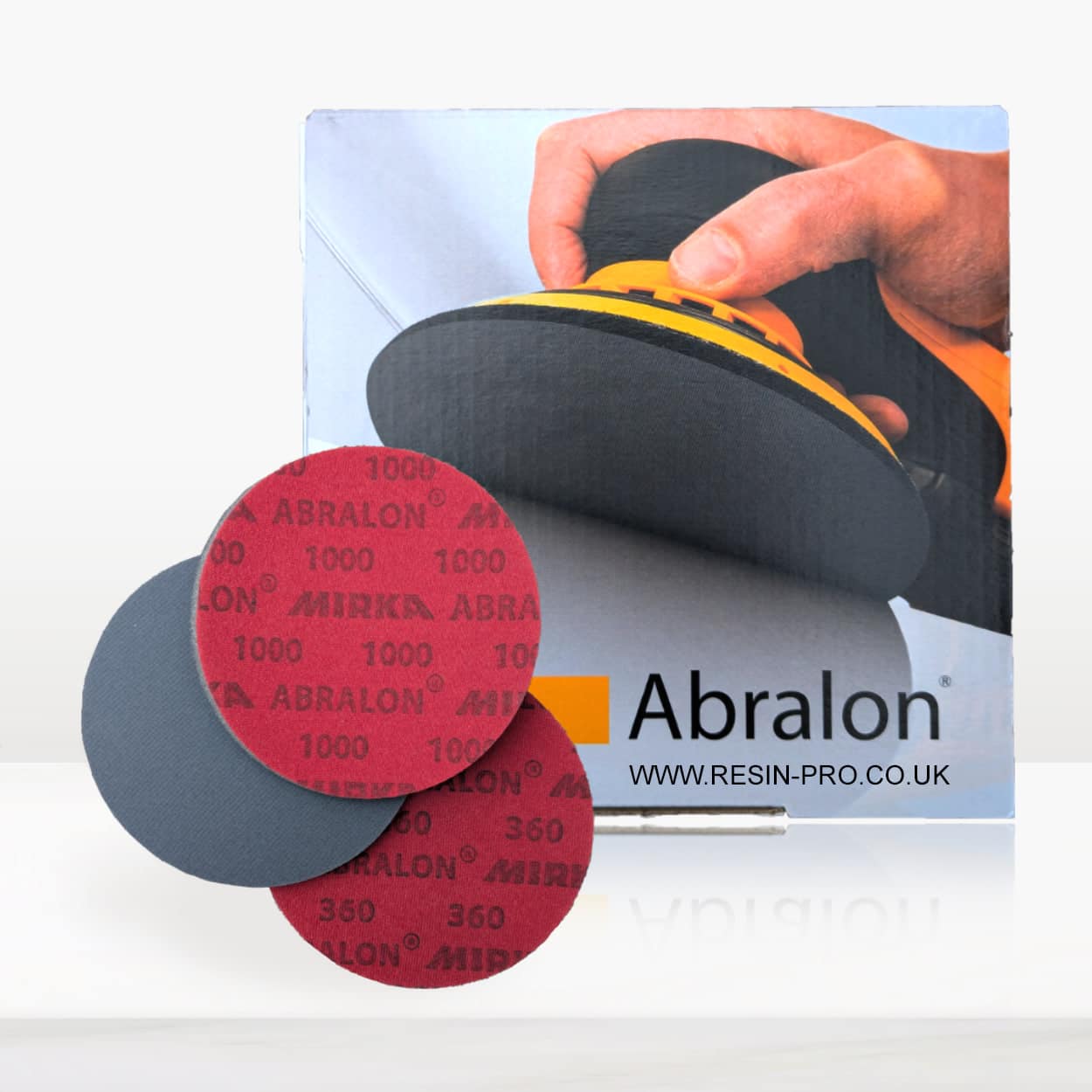
Sanding is a crucial part of preparing and finishing resin surfaces, especially in restoration work such as camper projects. The process relies on using a series of abrasives in the right order, but is every grit really necessary?
The Importance of Using Every Grit
Each sanding grit has a specific purpose, removing the scratches left by the previous, coarser grit. Skipping grits might seem like a time-saver, but it often results in stubborn scratches that remain visible after polishing. For a truly clear, glossy finish on camper resin, a smooth, step-by-step approach—from coarse to fine—is essential.
Recommended Sanding Progression
Begin with a grit appropriate for your surface’s starting condition (such as 360 or 600), then progress through intermediate options before finishing with very fine grits (like 4000). For convenience, Ebonite Abralon Sanding Pads offer a broad grit range and foam support for even pressure.
- Avoid skipping steps between grits—move sequentially for best results.
- Rinse surfaces between grits to remove any debris that could cause scratches.
- Wet sanding can improve the finish and minimise dust.
When This Matters Most
Following a full sanding sequence matters if you plan to restore a high-gloss shine using a system like the Epoxy Polish. Any shortcut in sanding can leave marks that polish alone cannot remove, especially visible in sunlight on glossy camper surfaces.
Related products
Related guides
By patiently working through all sanding grits, you set the stage for a flawless, professional resin finish. For comprehensive tips, techniques, and product guidance, see our advice on how to polish camper resin.