 Free shipping on orders over £29,85
  Shipping Tracking!


 Google
 Facebook
← Back to How to paint with resin
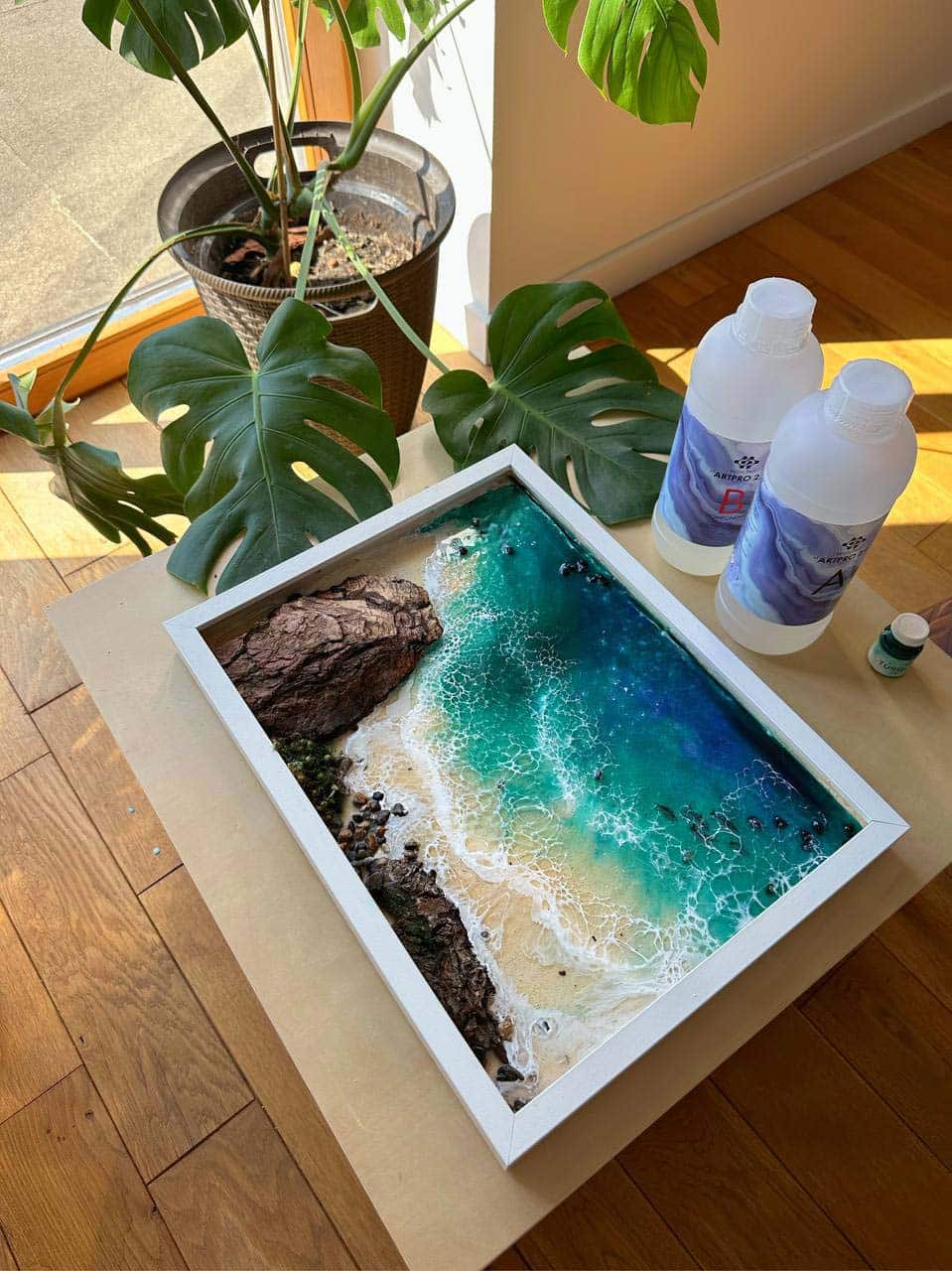
Proper surface preparation is essential for successful resin painting. Applying resin to damp or oily surfaces can lead to poor adhesion, cloudy finishes, or other defects that undermine your creative work.
Why Damp or Oily Surfaces Cause Problems
Resin relies on a clean, dry base to form a strong bond. Moisture or oil present on a surface can interfere with the resin’s ability to adhere, potentially causing the resin to separate, bubble, or remain tacky. In artistic applications, this can result in unsightly marks or reduce the durability of your creation.
How to Prepare Your Surface for Resin Art
- Clean thoroughly: Wipe your surface with a lint-free cloth. If needed, a mild solvent (like isopropyl alcohol) can remove residues.
- Ensure dryness: Confirm the surface feels completely dry to the touch. Avoid applying resin in humid environments or on recently washed surfaces.
- Sand if needed: Lightly sanding glossy or oily-feeling surfaces may help the resin grip better.
For hands-on guidance, the Free Step-by-Step Resin Ocean Art Lesson by Natalia Natirum also covers suggested surface prep for optimal results.
When Surface Prep Matters Most
Taking the time to remove any moisture or oil is especially important for projects like resin paintings, coasters, and trays, where clarity and edge definition are important. Even an invisible film of oil or dampness can spoil an otherwise beautiful finish.
Related products
Related guides
Ensuring your working surface is clean and dry is a small step that can make a big difference in your resin art results. For more help on resin painting, explore our How to paint with resin guide.