 Free shipping on orders over £29,85
  Shipping Tracking!


 Google
 Facebook
← Back to How to make a frame for resin
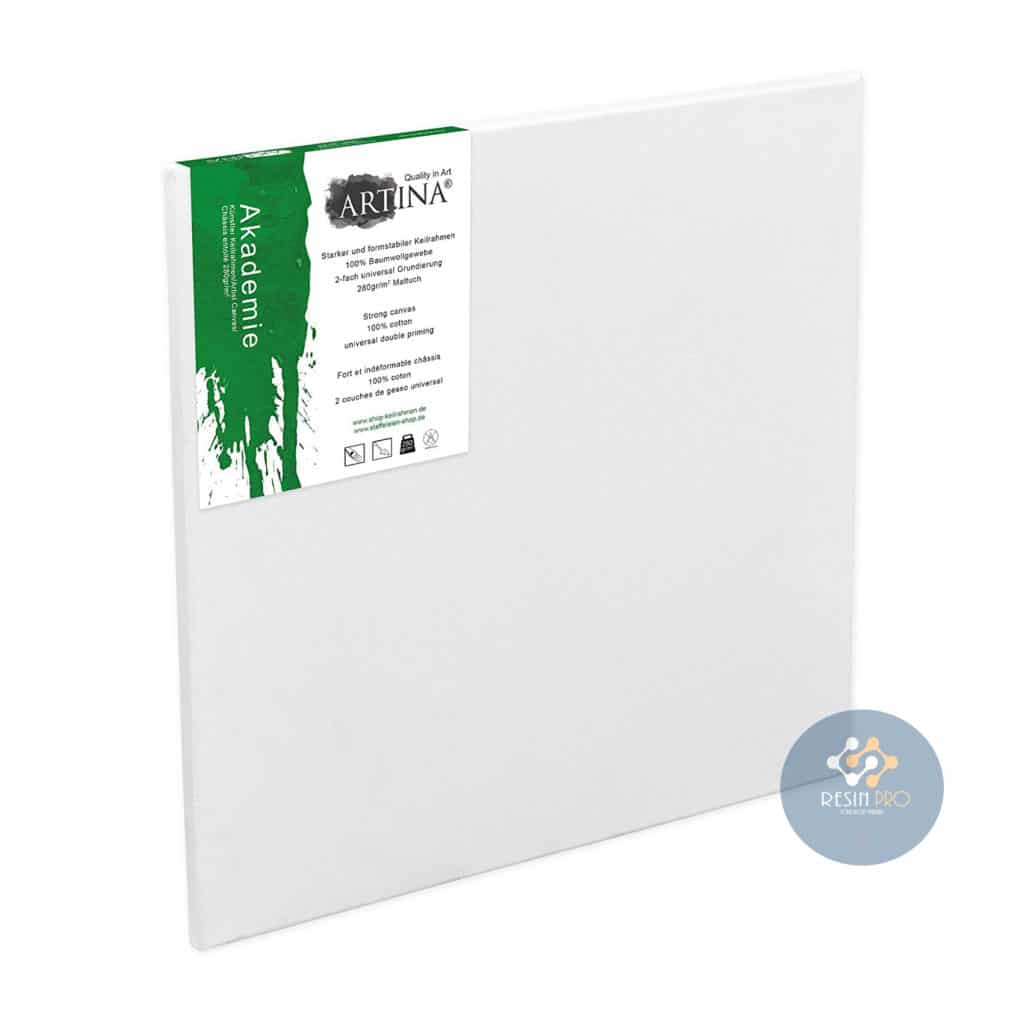
Premade art frames offer a convenient starting point for resin art, but knowing whether they need sealing can help you achieve the best possible finish and avoid common mistakes.
When Is Sealing Needed?
Frames designed specifically for resin—such as those made from cotton or flexible silicone—are typically ready to use after a thorough cleaning. With these, sealing is often unnecessary, as their construction minimises the risk of leaks or resin absorption. For any other type of premade frame, especially wooden or mixed-material styles not labelled as resin-ready, it’s wise to test for leaks: pour a small amount of water into the frame and check for any seepage or rapid absorption. If in doubt, a clear sealant can be applied to close gaps or porous surfaces before you start your resin work.
Practical Preparation Steps
Begin by cleaning your frame thoroughly to remove dust, grease, or fingerprints, as these may affect resin clarity or adhesion. If testing with water reveals leakage or absorption, apply a compatible sealant to all seams and porous areas, allowing it to dry fully. Ensuring a leakproof base is crucial, particularly if you’re working with deep-pour or casting resin. Frames like the Cotton Rectangular Frame for Epoxy Resin Art with Cardboard Base are designed for hassle-free use without additional sealing, making them ideal for both beginners and experienced resin artists.
When This Matters Most
Sealing is especially important if your frame is constructed from untreated wood or has joints that may allow resin to seep through. Taking the time to prepare these frames prevents resin wastage, mess, or damage to your work surface.
Related products
Related guides
By ensuring your frame is well-prepared, you’ll enjoy better results and less stress during your resin art process. Discover more frame-making tips and materials on our main guide to making a frame for resin.