 Free shipping on orders over £29,85
  Shipping Tracking!


 Google
 Facebook
How to make a frame for resin
Creating a reliable frame is the foundation of any lasting resin project, whether you’re crafting art panels, river tables, or casting moulds. This guide explains how to make a frame for resin that is both secure and easy to demould, ensuring clean edges and minimal leaks for your creative work.
Step-by-step guide for secure resin casting frames and art
What You’ll Need
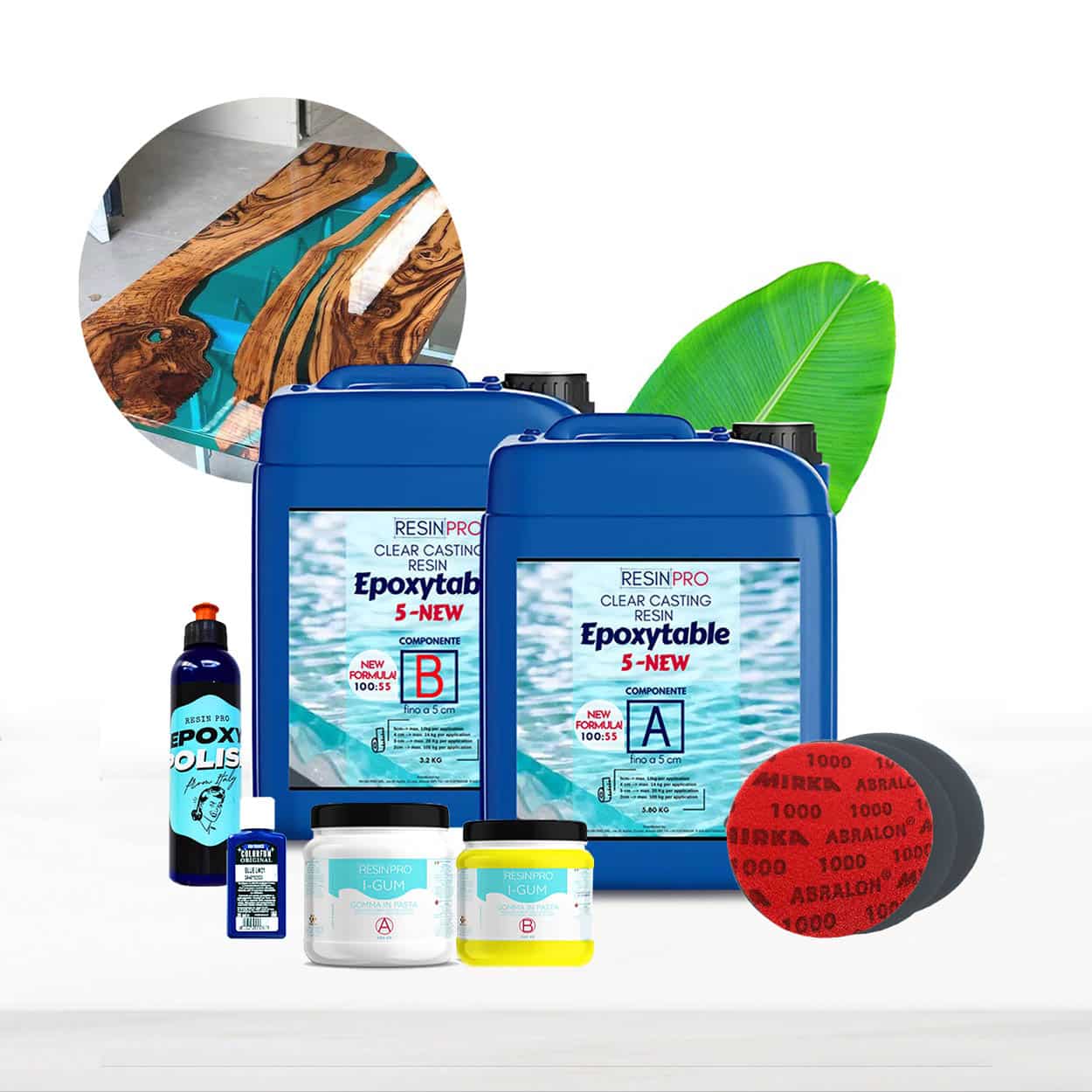
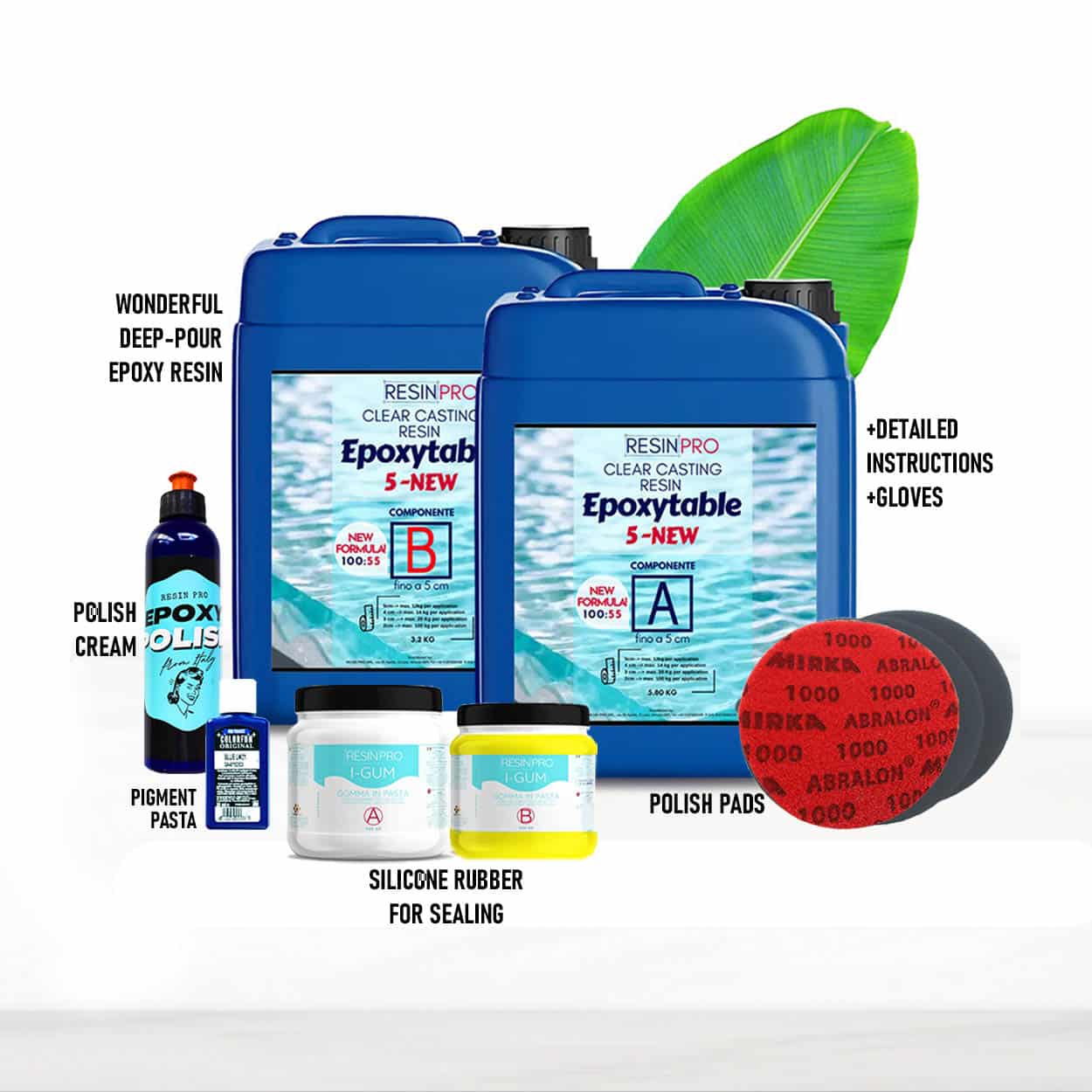
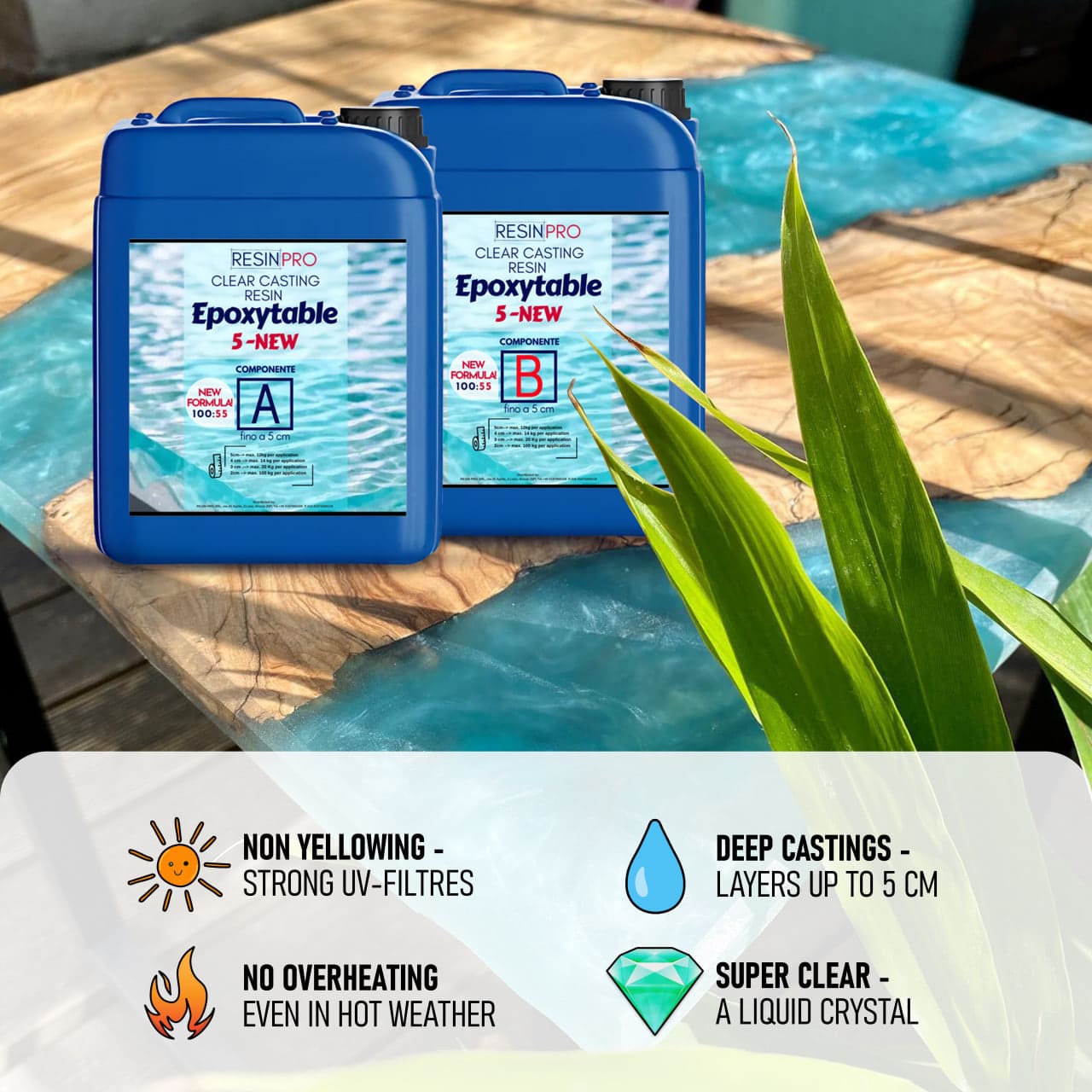
- “River-Table” – Complete Kit for Creating Your First Epoxy Resin Table – includes epoxy resin, silicone sealant, and release film
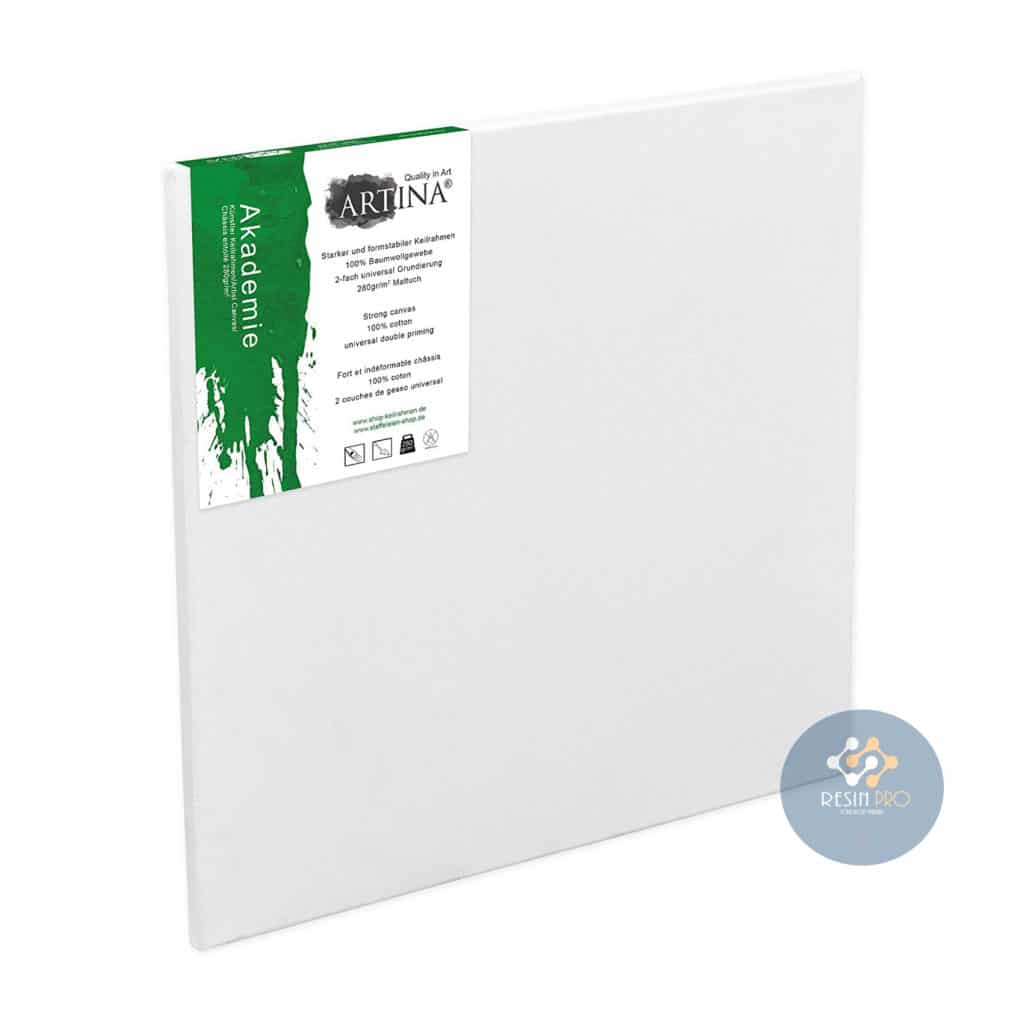
- Cotton Rectangular Frame for Epoxy Resin Art with Cardboard Base – for art and shallow pours
- 75mm G-Clamp for Secure Clamping and Precise Moulding – for holding frame components firmly
- “Silicone Circle Mould” – For Creating with Epoxy Resin, Ø 20cm – for circular casts and coasters
- Sheets of melamine, plywood, or acrylic for custom frame construction
- Saw, screwdriver, tape measure, and masking tape
- Personal protective equipment (PPE): gloves, safety glasses, apron

Essential Tools and Materials in Action
Successful resin frames start with the right combination of frame materials, sealing products, and clamping tools. Choosing tools tailored to your project’s scale greatly simplifies both assembly and finishing, no matter your artistic vision.
Step 1: Choose and Measure Your Frame Materials
Begin by selecting a material for your frame. Melamine-coated boards are a common choice for custom rectangular or square frames because their smooth, non-stick surface prevents bonding with resin. For ready-made art projects, frames such as the Cotton Rectangular Frame for Epoxy Resin Art with Cardboard Base provide an artist-friendly base. Measure your desired artwork dimensions precisely, factoring in the thickness of side panels if building from scratch. Take time to plan your frame size, as mismatched dimensions will affect the final quality.
Choose correct frame materials to ensure sturdy edges and easy removal after curing. When in doubt, create a simple sketch and double-check all measurements before cutting.
Step 2: Assemble the Frame and Ensure a Tight Fit
Cut your side panels to match your desired internal size and use a saw or pre-purchased strips. Secure all sides together at right angles using screws, clamps, or both. If you are creating a deeper pour (common for river tables), tools such as the 75mm G-Clamp for Secure Clamping and Precise Moulding can hold frame corners tightly as you secure them. Reinforce the base with additional bracing if needed, ensuring your frame stays rigid under weight.
Seal all inner joints thoroughly to prevent resin from leaking out during the pour. Even small gaps can result in costly messes, so check corners and edges carefully before moving on.
Step 3: Seal and Prepare Your Frame for Pouring
All surfaces that will touch resin should be lined with either adhesive release film, packing tape, or a specialist non-stick layer. If you are using the “River-Table” – Complete Kit for Creating Your First Epoxy Resin Table, use the included silicone sealant to run a generous bead along every internal seam. This approach traps the resin fully and minimises the risk of leaks.
For shaped or circular objects, consider using a ready-made “Silicone Circle Mould” – For Creating with Epoxy Resin, Ø 20cm. Moulds create perfect shapes without further need for sealing and can be reused for future projects. Allow any sealants or release coatings to cure or set fully before mixing your resin.
Use sturdy clamping in this stage if your frame shows any signs of movement or slight warping after assembly.

Step 4: Apply Release Agent and Test for Leaks
Even with lining, it’s a smart precaution to apply a release agent to all inside faces. This makes removing your cured resin artwork much easier. Before you proceed with pouring resin, perform a leak test: add a small amount of water and check all seams outside for drips or moisture. If leaks appear, reseal with additional tape or silicone and dry thoroughly before actual resin use.
With premade frames such as the Cotton Rectangular Frame for Epoxy Resin Art with Cardboard Base or silicone moulds, you may skip this step, as these products are ready for resin pour once dry and dust-free. Apply release agent for custom-form builds as a final barrier, ensuring a smoother demould once the resin has cured.
Tips and Common Mistakes When Making Resin Frames
Always work on a level, stable surface – an uneven base can result in curved or wavy finished surfaces. Avoid rushing the sealing process: any missed gap can lead to significant leaks. For large or heavy pours, double up on clamping and carefully plan your demoulding method in advance. If using a silicone mould, never use sharp tools to demould, as this risks damaging your reusable mould. Finally, read manufacturer instructions provided with kits, especially for curing times and resin compatibility.
Double-check every stage before pouring your resin, especially if it’s your first frame. Taking these preparatory steps seriously greatly increases your chances of a crisp, professional result with minimal effort in finishing.
Key Finishing Touches for Resin Frames
Take time to check each frame joint and release surface before casting. Reliable sealing and a dust-free working space will deliver smooth demoulding and a crisp finish for your resin creations.

- "River-Table" – Complete Kit for Creating Your First Epoxy Resin TablePrice range: £188.85 through £444.85This kit provides materials and instructions suitable for making a wood and resin table, fitting the theme on how to make a frame for resin.
- Cotton Rectangular Frame for Epoxy Resin Art with Cardboard BasePrice range: £4.35 through £4.85This cotton rectangular frame is designed to display epoxy resin art, offering a sturdy cardboard base suitable for resin projects.
 75mm G-Clamp for Secure Clamping and Precise MouldingOriginal price was: £4.85.£3.85Current price is: £3.85.The 75mm G-Clamp is designed for secure clamping and precise alignment in epoxy resin projects, suitable for making resin frames.
 "Silicone Circle Mould" – For Creating with Epoxy Resin, Ø 20cm£12.85Flexible silicone mould suitable for making decorative resin pieces like coasters and keepsakes.
Frequently Asked Questions
What materials are best for making a resin frame?
Melamine, acrylic, and sealed plywood are all suitable choices because they help prevent resin adherence for easy demoulding.
How do I stop resin leaking from my frame?
Seal all internal joints thoroughly with silicone or adhesive tape and test for leaks using water before pouring resin.
How do I make sure resin comes out easily?
Always apply a release agent and use non-stick linings or silicone moulds for optimal demoulding results.
Can I reuse resin frames or moulds?
Custom melamine frames and silicone moulds can be reused if they remain undamaged and are cleaned immediately after use.
Do premade art frames need sealing before resin?
Frames designed for resin, such as cotton or silicone models, are usually ready to use after cleaning but test with water to ensure no leaks.
Do I need clamps for frame assembly?
Clamps are strongly recommended for wooden or custom-built frames as they help keep joints tight and prevent shifting during curing.