 Free shipping on orders over £29,85
  Shipping Tracking!


 Google
 Facebook
← Back to How to put insects in resin natural sciences fb?
Properly preparing insects before embedding them in resin is essential to achieve clear, long-lasting displays for scientific or artistic purposes. Without the right preservation steps, the final result can suffer from decay, cloudiness, or colour change.
Why Preservation Matters
Freshly collected insects contain natural moisture and oils that can react with resin, leading to clouding or even decay inside your finished piece. To ensure clarity and durability, insects should be thoroughly dried and cleaned before casting. Dry specimens help you avoid unwanted reactions and maintain the integrity of your showcased insect.
How to Prepare Insects for Resin Casting
- Gently Clean: Remove any debris or dust with a soft brush or tweezers. This prevents imperfections in the resin.
- Dry the Specimen: Let insects air dry completely or use a desiccant, such as silica gel, to extract residual moisture. Full drying is critical to prevent mould or rot.
- Inspect for Residue: Oils or soft tissues can lead to discolouration; if possible, press or pin delicate specimens during drying to keep their shape.
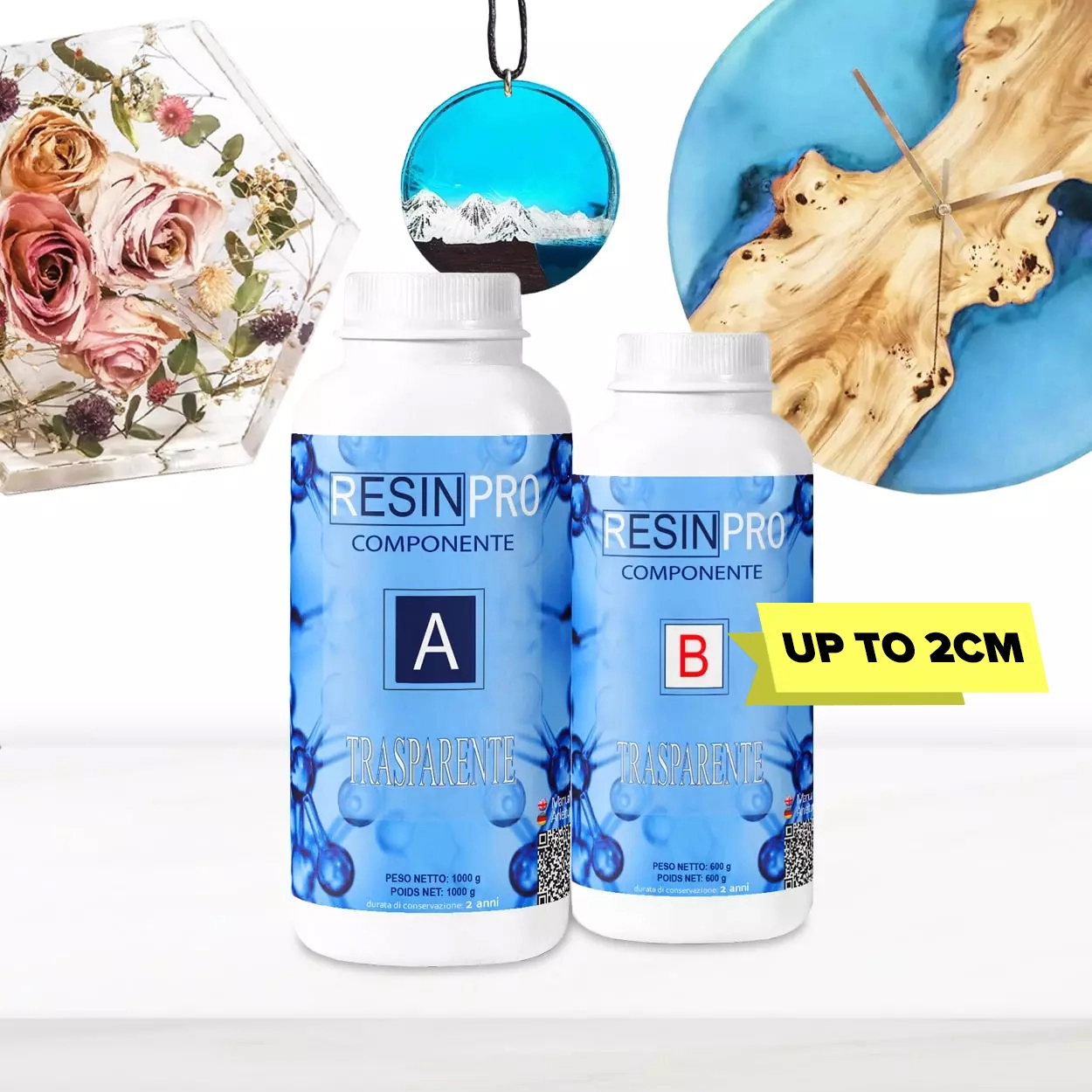
Once dry, you can position the insect in your chosen mould and begin the resin pour. The “Trasparente” Clear Epoxy Resin is an excellent choice for projects requiring up to 2 cm of casting depth, combining clarity with trusted performance.
When This Matters
Preservation is especially important for educational displays, keepsakes, and any project where clarity and longevity are valued. Proper preparation boosts both the aesthetic and scientific value of your resin-encased specimen, whether you’re working on a classroom project or an artistic creation.
Related products
Related guides
Preserving insects before embedding ensures your natural science resin projects remain clear, beautiful, and long-lasting. For further advice on specimen casting, discover more at our main guide on how to put insects in resin.