 Free shipping on orders over £29,85
  Shipping Tracking!


 Google
 Facebook
← Back to Where do acrylic wall resins originate from?
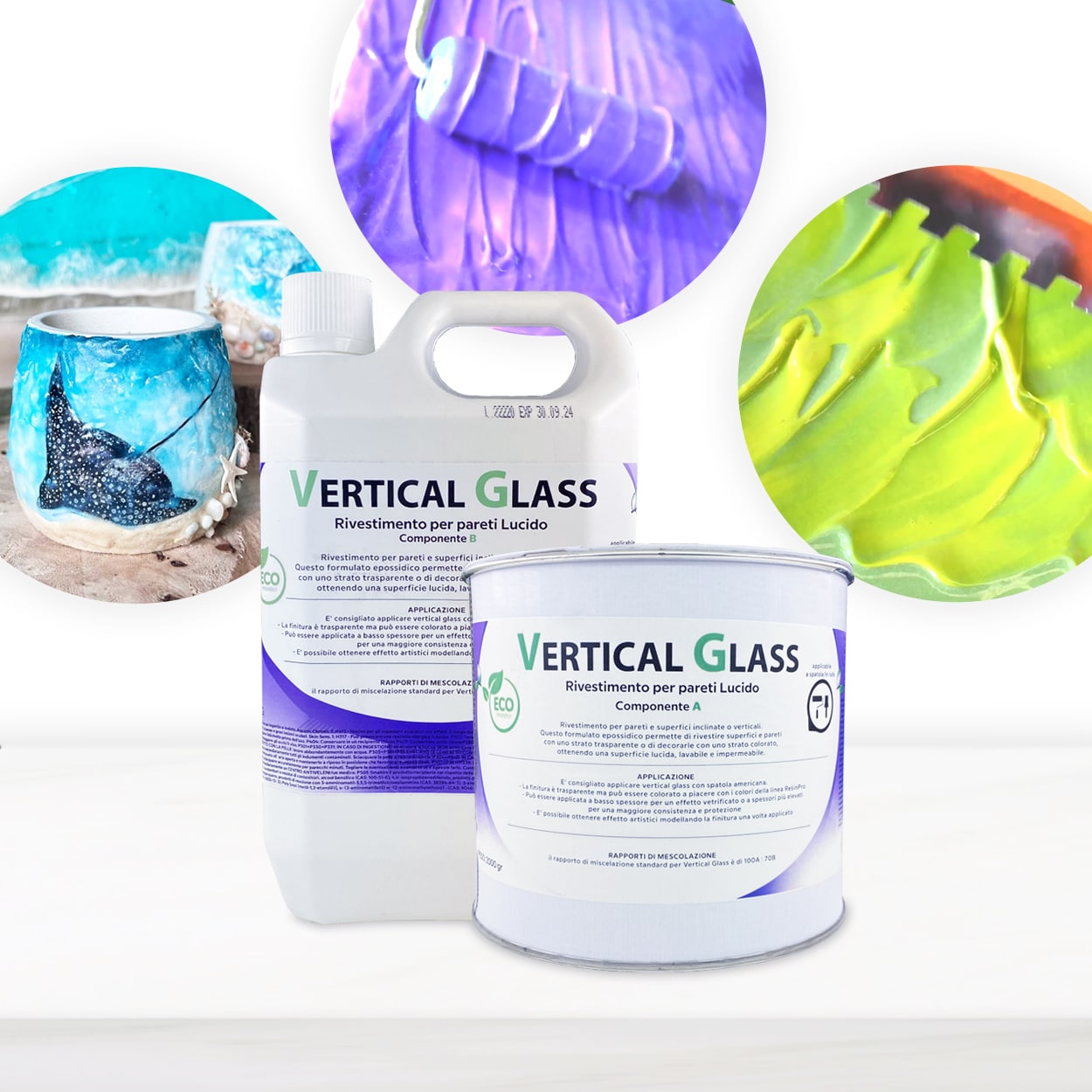
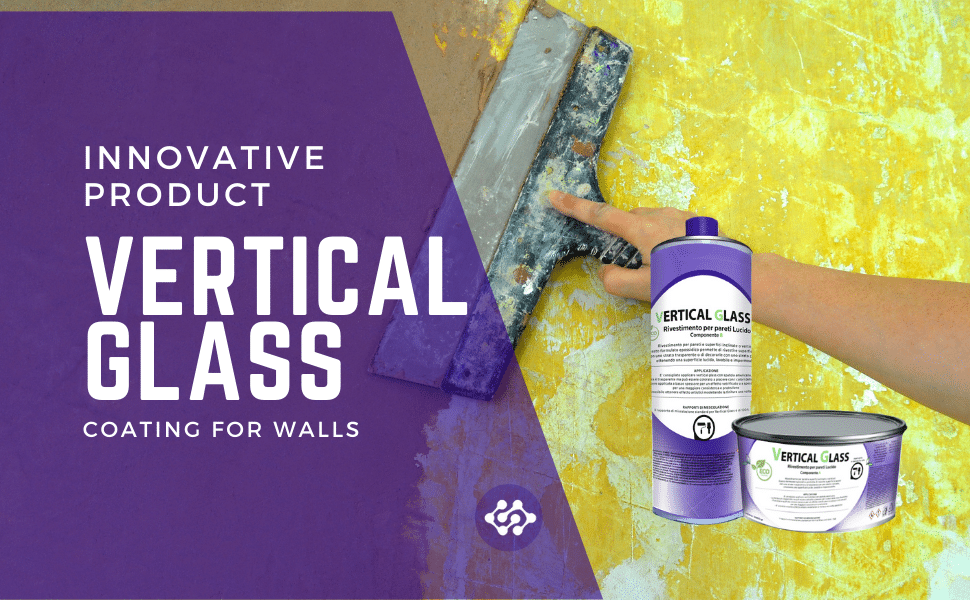
Understanding whether acrylic wall resins self-level is key when planning decorative or protective finishes for your home or commercial space. The answer can influence both aesthetics and the type of application you choose.
How Acrylic Wall Resins Behave on Application
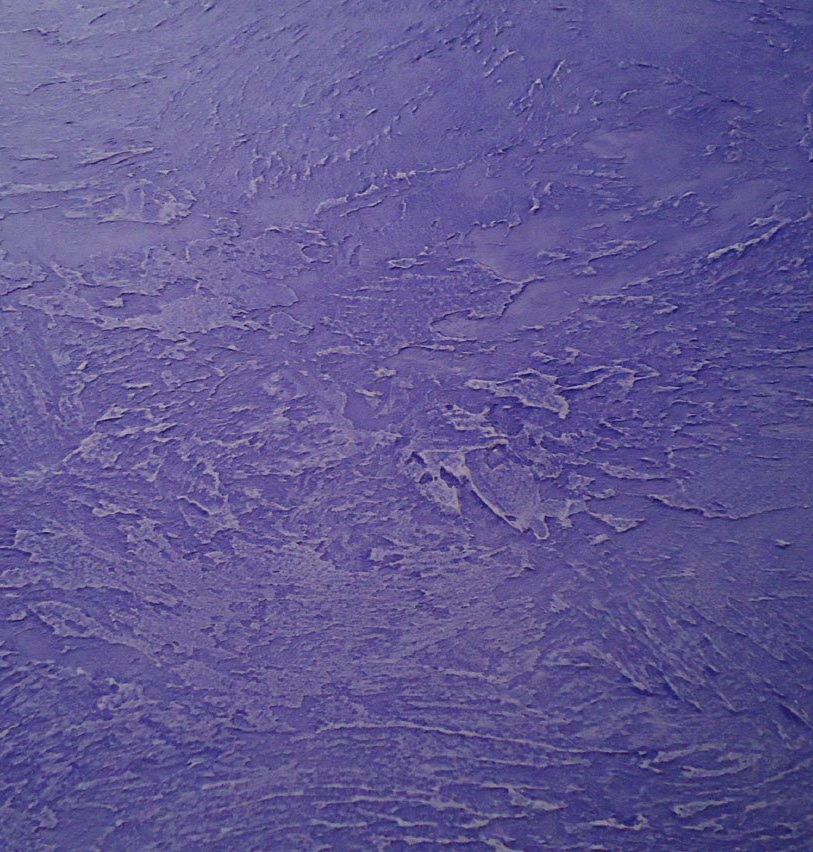
Unlike floor or casting resins, many acrylic and epoxy wall coverings do not self-level. This is by design: self-levelling can cause patterns or details to flatten out, while non-self-levelling resins retain texture and definition when applied to vertical surfaces. Products like “Vertical Glass” – Thick Resin Decorative Wall Coating are formulated to cling securely to the wall and preserve custom designs without slumping.
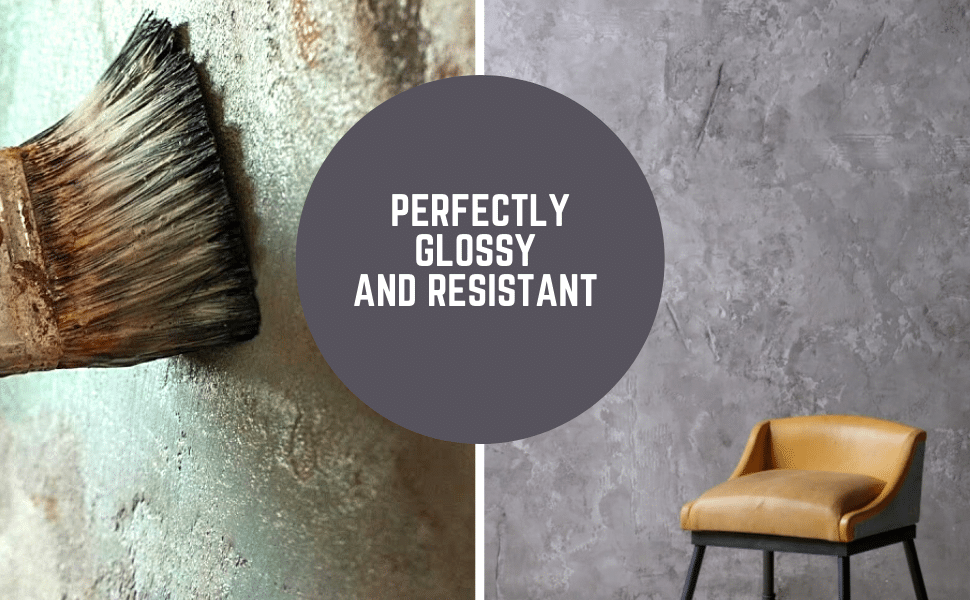
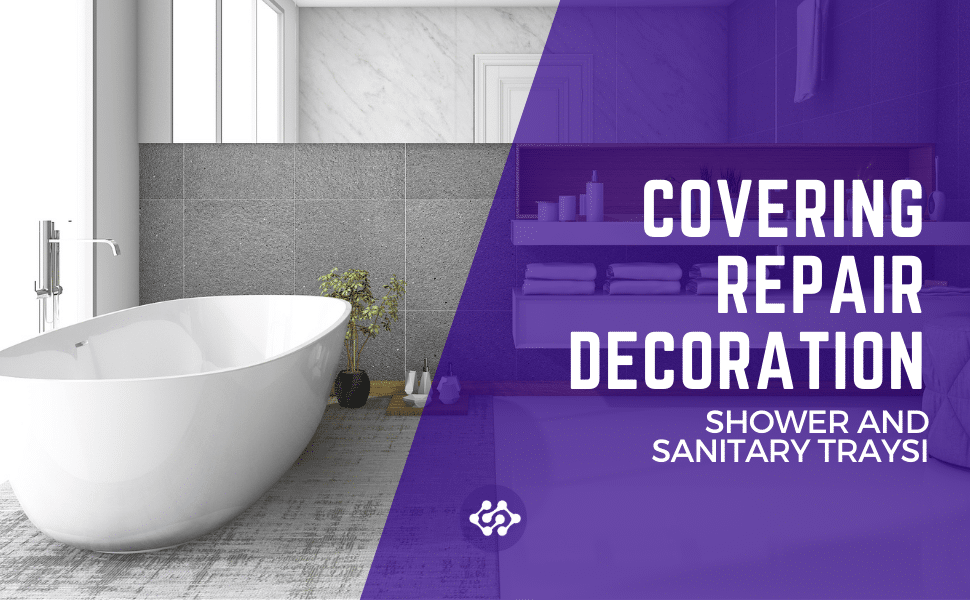
Benefits of Non-Self-Levelling Wall Resins
Non-self-levelling resins make it possible to achieve more intricate or raised decorative details, as they do not flow or smooth themselves over time. This lets you create bespoke effects, from subtle texturing to artistic reliefs, that would not be possible with more fluid alternatives. They are also less likely to run or drip, making them ideal for surfaces such as tiles, painted cement, or wooden feature panelling.
When This Matters Most
- Restoring or updating patterned feature walls – preserves sharp lines and motifs.
- Art projects or customisation – maintain brush marks and layered finishes.
- Applications on sloping or uneven walls – reduces risk of sagging or pooling.
Related products
Related guides
Choosing the right type of wall resin helps you achieve both durable protection and your ideal decorative effect. For even more insights into acrylic wall resins and their origins, return to our main guide on where acrylic wall resins originate from.