 Free shipping on orders over £29,85
  Shipping Tracking!


 Google
 Facebook
← Back to What is epoxy putty for iron used for?
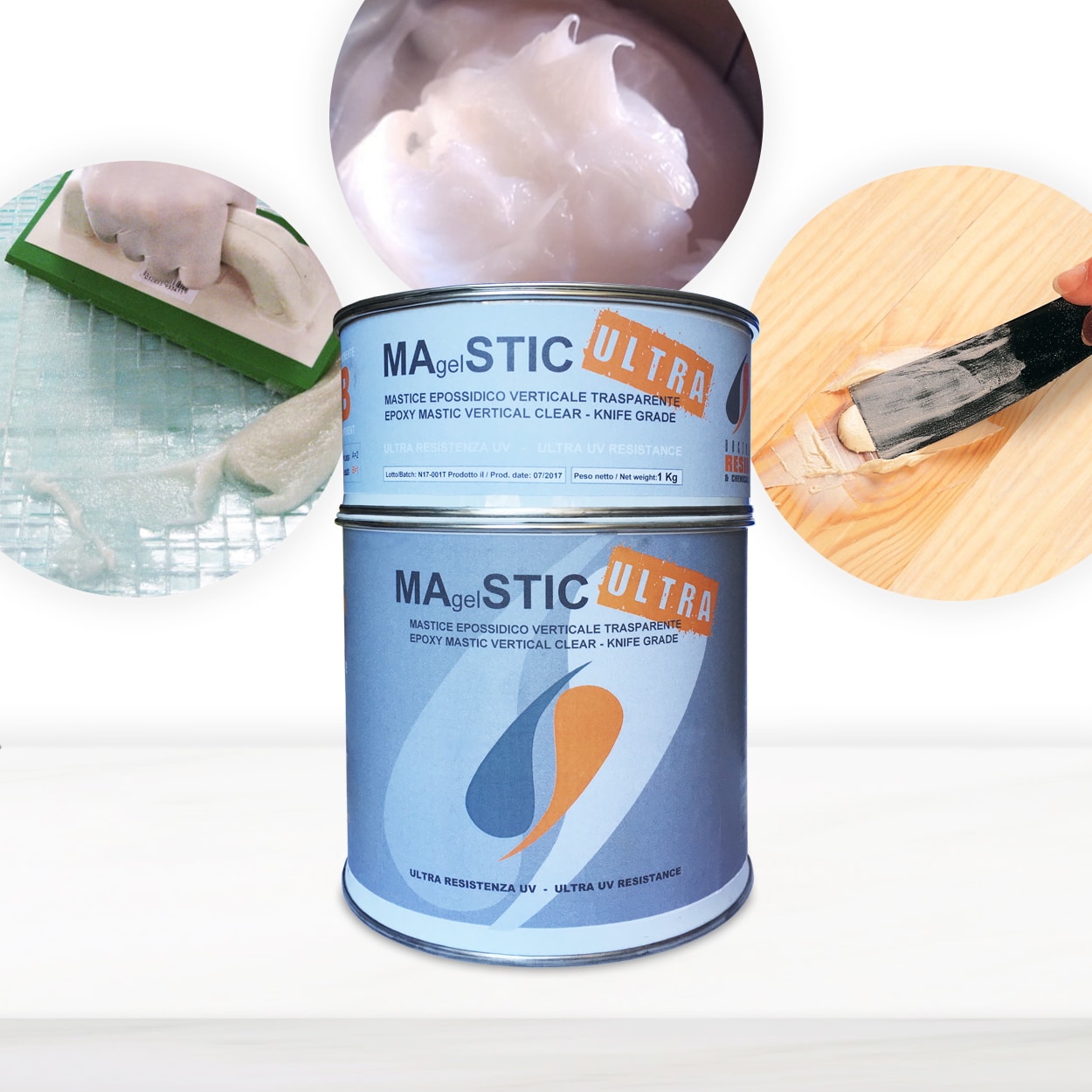
Choosing the right epoxy putty for iron is essential for durable repairs. A common concern is whether epoxy putty shrinks or changes its shape as it cures, especially when working with metalwork or restoration projects.
How Does Epoxy Putty Behave During Curing?
Quality epoxy putties, such as Magelstick Epoxy Mastic, are formulated to exhibit minimal shrinkage during the curing process. When correctly mixed and applied, these products will harden and maintain their original shape. This ensures that your repair remains flush with the surrounding iron surface, preserving both structural integrity and visual finish.
Poorer quality or incorrectly mixed products may show slight movement or surface changes, so using a trusted, specialist epoxy is key to achieving reliable results.
Practical Tips for Smooth, Lasting Repairs
To prevent unwanted shrinkage or distortion, always follow manufacturer guidelines on mixing ratios and application temperature. For products like Magelstick, a 100:50 mixing ratio and ambient conditions above 10°C support optimal curing. Applying the putty evenly and working it into gaps ensures a flush, strong bond on ironwork and other metals. Vertical repairs also benefit from a thixotropic formula, which helps the putty stay in place and fill gaps without sagging.
When This Matters Most
Minimal shrinkage is particularly important when appearance and fit are critical—such as in iron restoration, outdoor metal gates, ornate railings, or structural repairs. In these cases, even small movements can compromise the look or performance of your finished project.
Related products
Related guides
Choosing a reputable, low-shrinkage epoxy putty is vital when repairing or restoring ironwork. For further guidance on how epoxy products fit into iron repairs, explore our full guide on what epoxy putty for iron is used for.