 Free shipping on orders over £29,85
  Shipping Tracking!


 Google
 Facebook
← Back to Can I coat a floor-level shower enclosure with resin?

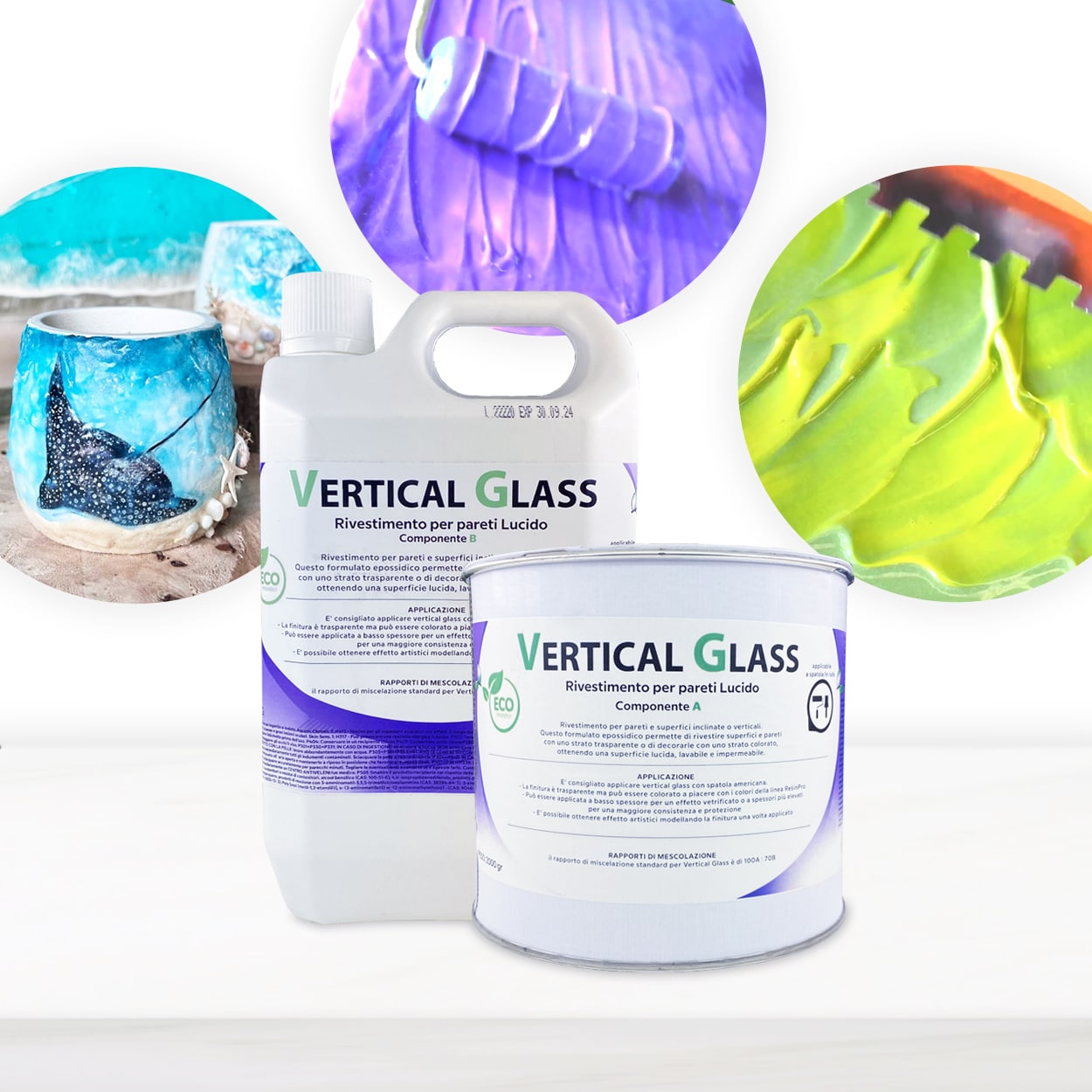
Epoxy resin is increasingly used to waterproof showers, providing a seamless finish that stands up to daily moisture. Still, a professional result depends on thoughtful preparation and correct application.
How Epoxy Resin Creates a Waterproof Barrier
When properly installed, epoxy resin forms a continuous, non-porous layer over shower walls and floors, blocking water from seeping through to the substrate. This quality makes it ideal for use in bathrooms, offering durable water resistance and easy cleaning. However, for truly effective waterproofing, it’s essential to prepare all underlying surfaces and joints with care so no gaps or weak spots remain.
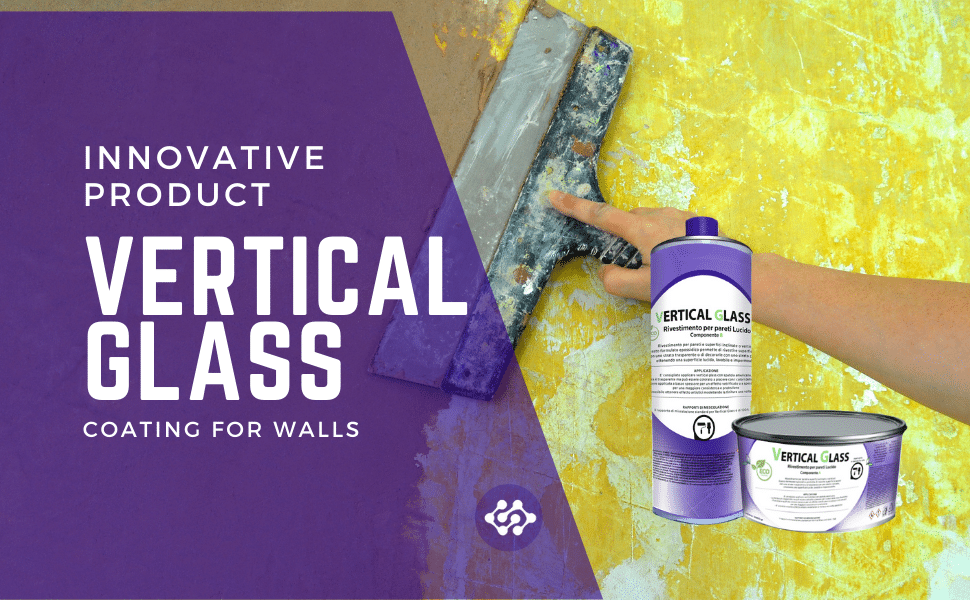

Essential Steps for Application
- Surface preparation: Ensure the substrate—such as concrete, tile, or screed—is stable, clean, and dry. All cracks and joints must be sealed before resin is applied.
- Priming for adhesion: Using a suitable floor primer like “Epoxyprimer” promotes strong bonding between the epoxy coating and the base material, helping to prevent peeling or lifting in wet conditions.
- Resin application: Apply the epoxy resin in accordance with manufacturer recommendations, typically in multiple thin coats for best protection. Allow recommended cure times between layers.
When Proper Waterproofing Matters Most
Waterproofing with epoxy resin is particularly crucial in floor-level showers where water exposure is constant. Inadequately sealed joints or improper substrate preparation can lead to leaks, mould, and long-term water damage. Following every installation step carefully helps ensure your shower remains watertight and low-maintenance for years to come.

Related products
Related guides
Epoxy resin, when applied with careful preparation and the right products, can indeed make your shower waterproof. For further advice or to explore the best resin options, see our main guide on coating floor-level shower enclosures with resin.