 Free shipping on orders over £29,85
  Shipping Tracking!


 Google
 Facebook
← Back to Why does resin spread into craters when sprayed?
Environmental conditions like humidity and temperature can play a major role in how resin spreads and whether craters form during spraying. Managing these factors is crucial for a seamless finish.
How Humidity and Temperature Influence Resin Flow
High humidity can slow down the curing process and create an uneven surface, making it easier for craters to appear. On the other hand, when the temperature is too low, resin becomes less fluid and struggles to self-level, which can leave behind unsightly dimples and gaps. Always follow the product’s recommended working range—most resins and sprays are formulated for typical indoor conditions and may perform poorly outside these limits.

Practical Guidance for Reducing Cratering
- Work in a climate-controlled space whenever possible.
- Check the temperature and humidity levels before starting—a range of 18°C to 25°C and moderate humidity are usually ideal for most resin coatings.
- Avoid spraying or coating if the room feels damp or chilly, as this can encourage cratering.
- Let the surface and product acclimatise to the workspace temperature before use.
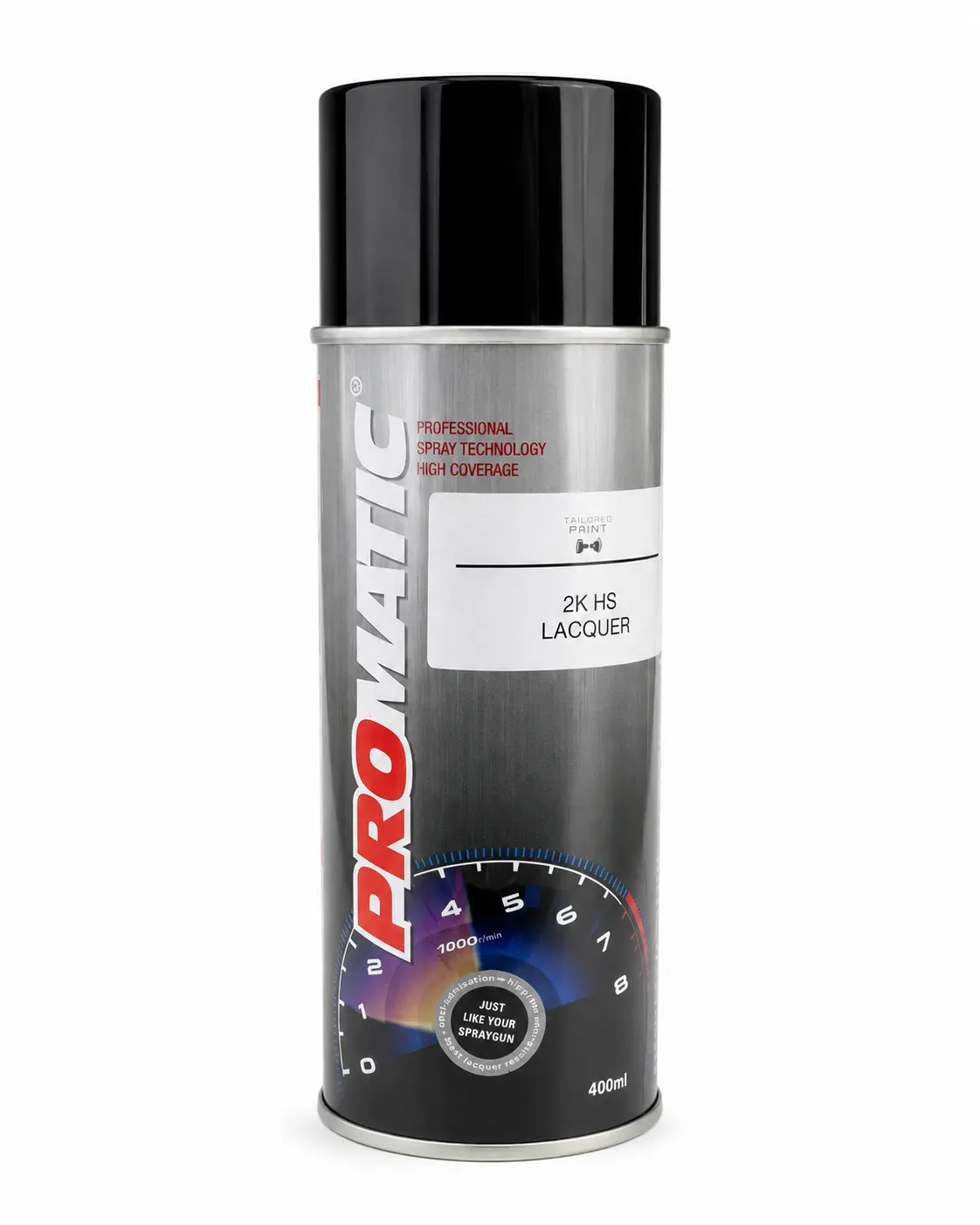
For instance, using a fast-drying finish such as the 2K Clear Coat Lacquer Aerosol Spray – 400ml High Gloss Finish can help minimise waiting times and provide a more even result, especially when environmental conditions are under control.
When This Matters Most
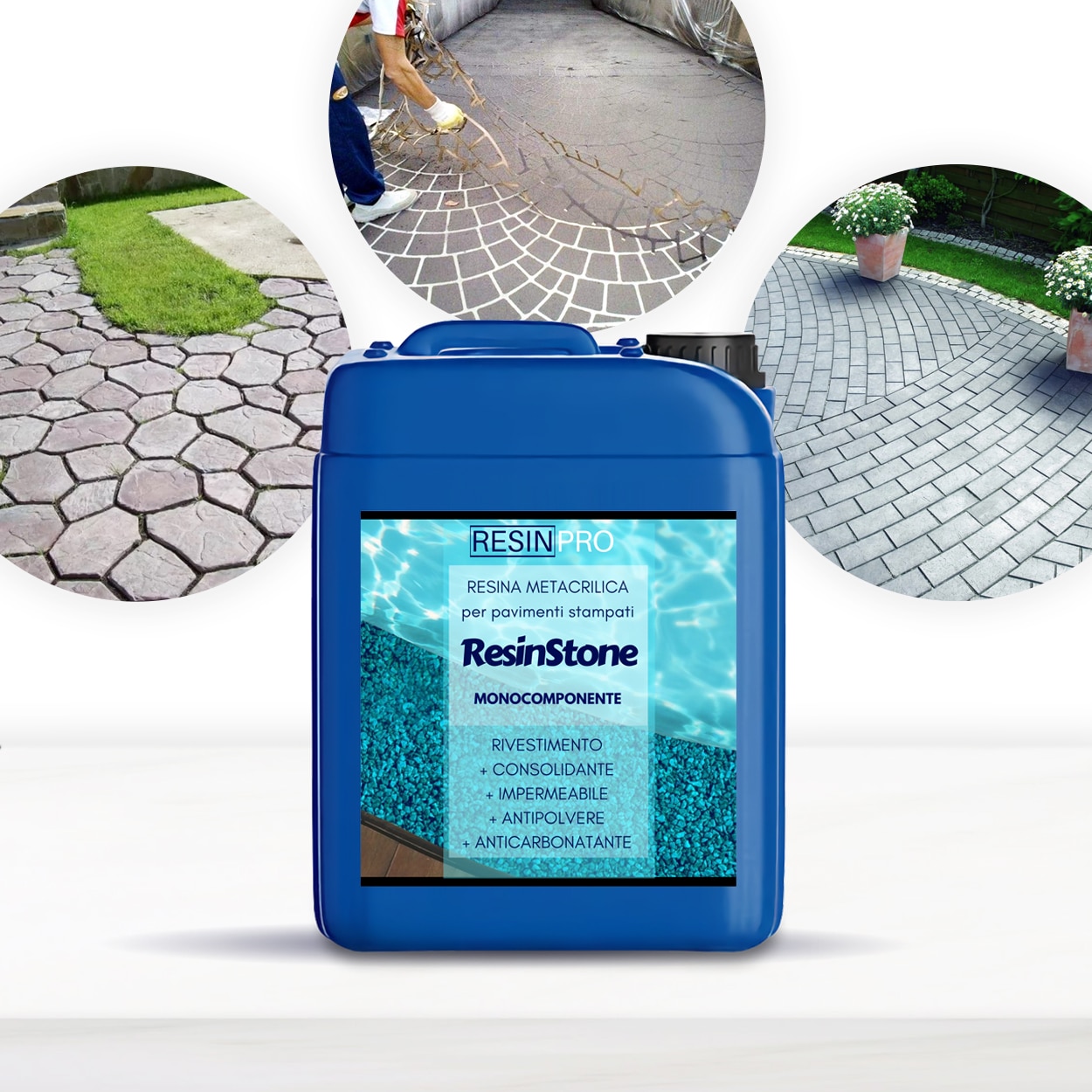
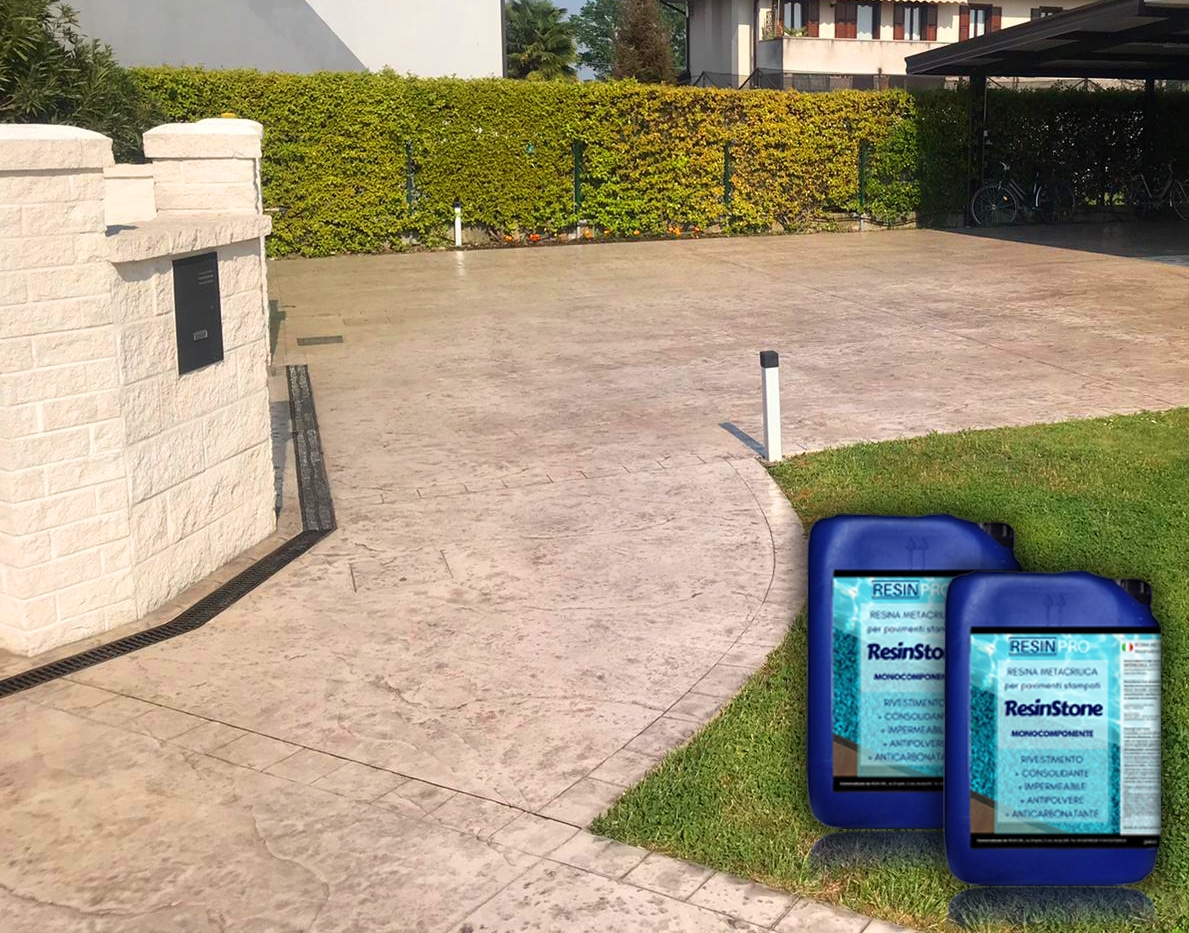
Cratering due to humidity and temperature is particularly relevant for detailed resin art, glossy finishing coats, or when working with textured and porous surfaces. Artists and DIY enthusiasts should pay close attention to these factors for gallery-quality results or outdoor sealing jobs. Choosing a product suited to the task—like a high-viscosity resin for art or a specialised concrete resin for floors—can also help reduce surface issues.
Related products
Related guides
By understanding how climate affects resin behaviour, you can plan your projects to achieve smoother, crater-free finishes. For more tips and detailed troubleshooting, visit the main hub on resin spreading and cratering.