 Free shipping on orders over £29,85
  Shipping Tracking!


 Google
 Facebook
Why does resin spread into craters when sprayed?
Explore reasons for cratering and product solutions in resin spraying
When spraying resin or resin-based finishes, one frequent challenge is the formation of craters—uneven patches or ‘fish-eyes’ where the coating fails to cover the surface consistently. This page is designed for crafters, professional coaters, and artists who want to understand, prevent, or resolve cratering issues in their resin projects. We’ll compare the underlying causes and explore how product selection and surface prep can deliver a flawless finish every time.
Understanding Resin Cratering: Causes and Product Comparison
Cratering occurs when sprayed resin pulls away from certain zones, often forming small pits or bare spots rather than an even film. The main culprits are contamination (oils, dust), surface tension differences, or incompatible product viscosity. The way a resin spreads—or resists spreading—on a surface depends heavily on its formulation, the application method (aerosol versus poured), and how well the surface is prepared. In this section, we’ll introduce several purpose-designed resin products, each tailored for different use cases and surface challenges. We’ll highlight how product choice can make or break your final result when dealing with textured, porous, or pristine surfaces.

Visual Examples of Cratering and Even Spread
Notice the difference between an evenly coated resin surface and an area prone to cratering. The left side shows smooth, high-gloss coverage, while the right highlights typical crater formation due to poor surface preparation or the use of a resin with low surface tension. Real-world photos illustrate the impact of product selection and technique on the final result.
2K Clear Coat Lacquer Aerosol Spray: For Impeccable High-Gloss Finishes
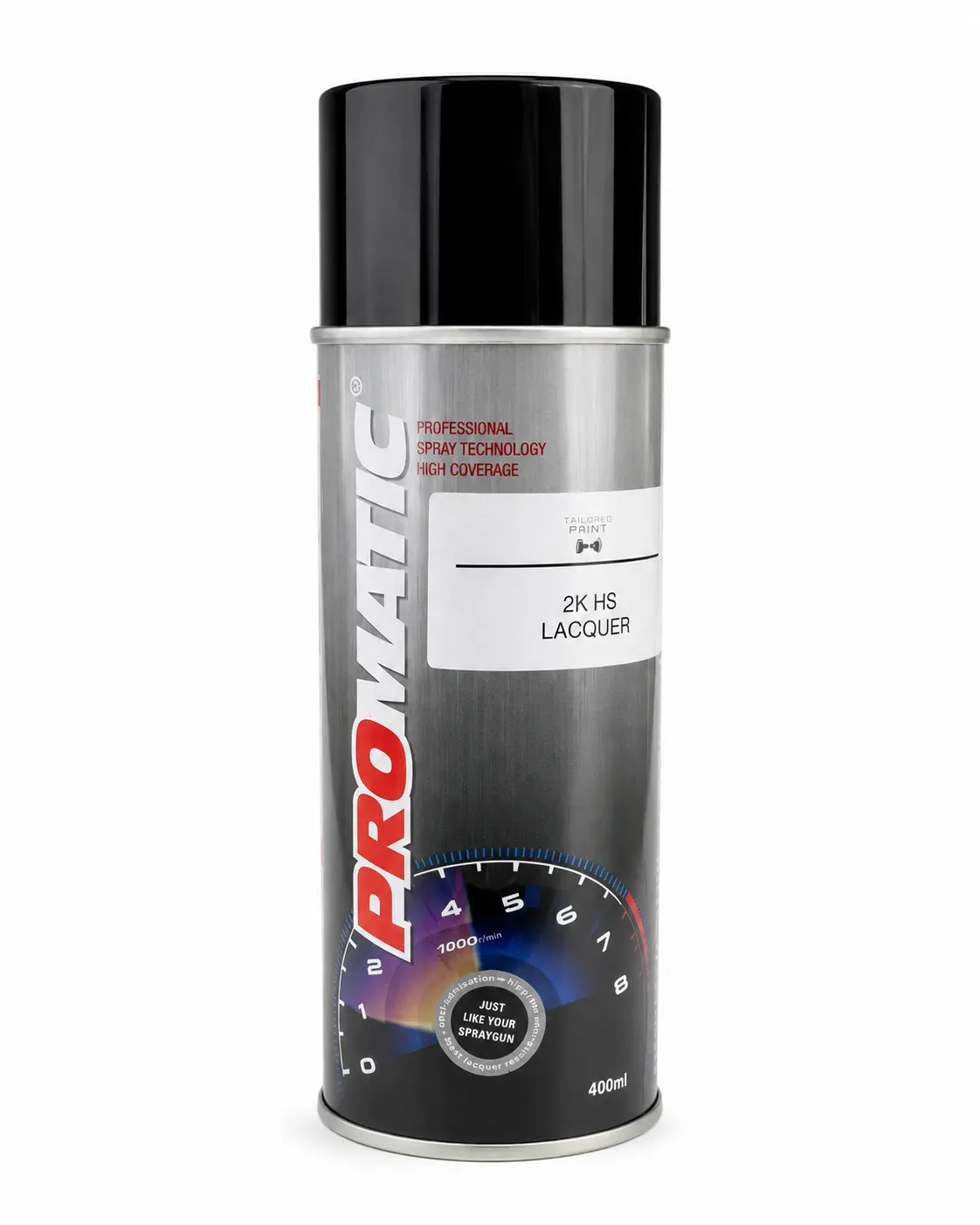
2K Clear Coat Lacquer Aerosol Spray – 400ml High Gloss Finish is formulated for achieving truly even, glossy coatings over resin art and craft projects. Its rapid drying nature helps limit the window for dust contamination to settle—one of the main triggers for cratering. This advanced 2K formula also offers robust surface tension control, crucial for minimising the formation of craters during spraying. The aerosol format provides a fine, controllable mist, vital for achieving a uniform finish on smooth and subtly textured surfaces. However, optimal results still depend on thorough degreasing and dust removal; even the best lacquer can crater if oils or silicone residues remain.
“Resinstone” – Tackling Deep and Porous Surfaces
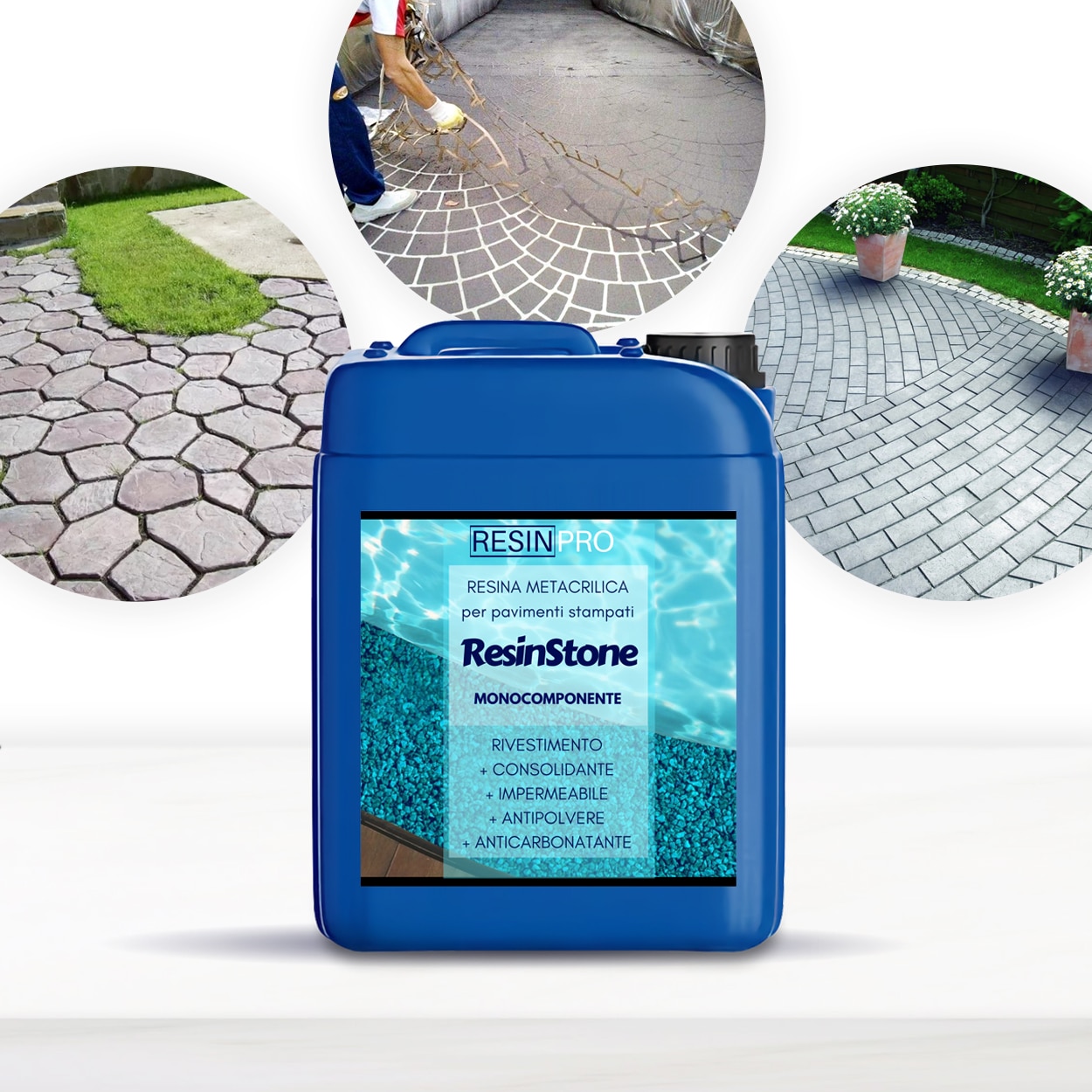
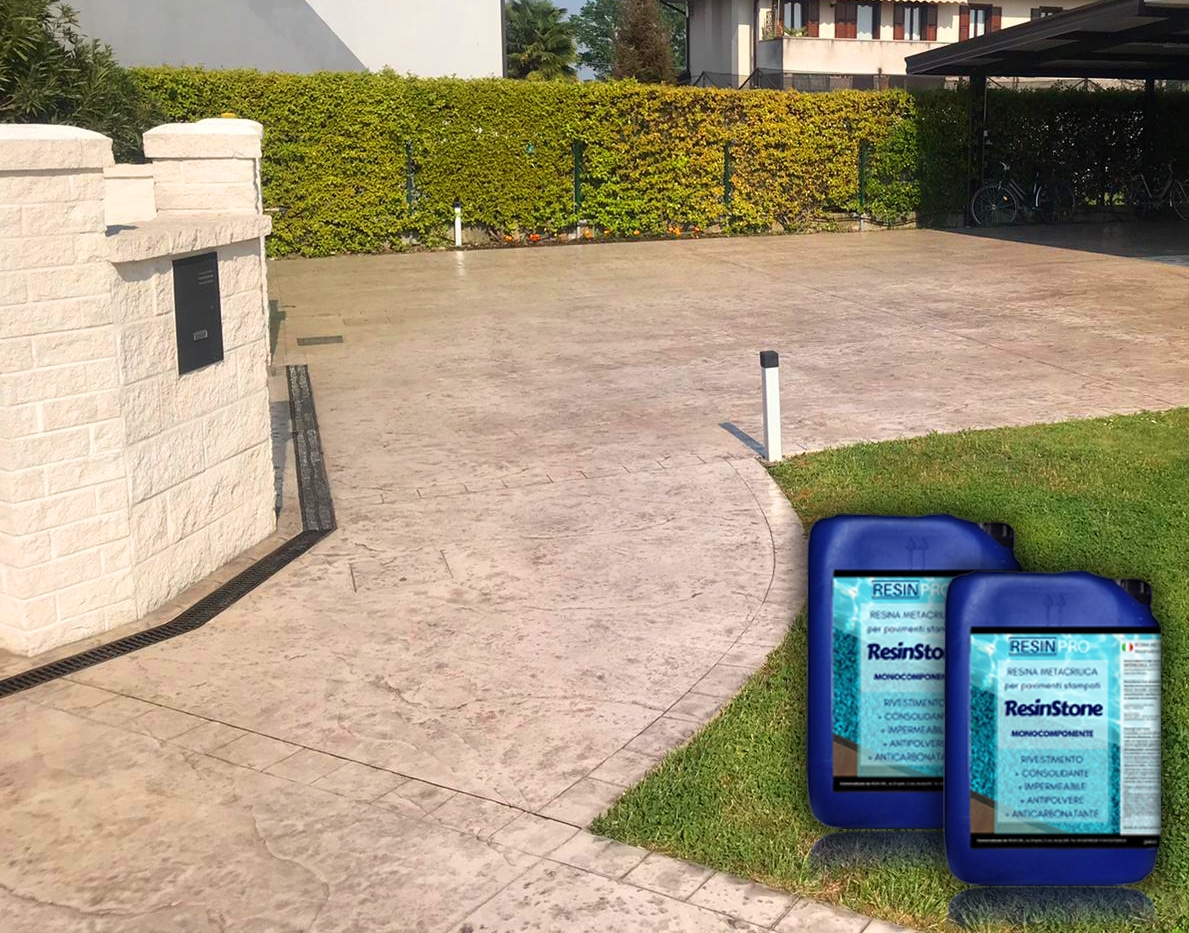
“Resinstone” – One-Component Methacrylic Resin for Concrete Floors and Driveways is designed to penetrate porous substrates such as stamped concrete or exterior driveways. Such surfaces often feature natural cratering and micro-cavities. RESINSTONE’s deep capillary action means it can fill and seal pores, reducing the risk of surface tension irregularities—one of the factors that causes resin to shrink back and crater. It’s ideal for those sealing absorbent or highly textured areas and works quickly, allowing for regular foot traffic in under 12 hours.
“Art Pro Deluxe” – High Viscosity for Detailed Resin Work
“Art Pro Deluxe” – Ultra-High Viscosity Epoxy Resin for Artists is engineered for precision art pieces, like geode effects or ocean-style pours. Its ultra-high viscosity formula greatly limits flow, so the resin sits ‘on top’ of surface features rather than running into every depression or crater. This means less risk of uncontrolled spreading, but it also highlights issues with surface contamination—if the resin fails to adhere due to oils or silicone, cratering will still occur. Use this product when you want finish control above all else.
“3D Finish” – Smooth Coating for 3D Prints
“3D Finish” – Fast Coating Epoxy Resin for 3D Prints features a non-drip, detail-friendly formula developed to preserve the fine relief of 3D printed objects. It spreads evenly, enhancing mechanical strength without drowning layer lines or causing puddling. Thanks to balanced viscosity, it resists over-penetrating ‘crater’-like surface indentations on 3D models, ensuring a uniform, gloss finish and minimising the risk of exposed patches.
Preventing Cratering and Achieving Smooth Results
Ultimately, stopping resin from spreading into craters requires the right blend of product and preparation. Always start by cleaning surfaces to remove oils, dust, and silicones. Priming or sealing may be necessary, especially on concrete or mixed-material bases. Choose a resin or lacquer whose viscosity and formulation match your substrate: high-gloss lacquers for flat resin works, deep-penetrating types for porous concrete, ultra-thick resins for creative control, and non-drip coatings for detail-sensitive uses. Work within the recommended temperature and humidity ranges for your chosen product, and apply in thin, even coats to prevent pooling. These measures help ensure a flawless, crater-free result.
Expert Tips to Avoid Resin Cratering
Always ensure your surface is fully clean and dry before application. For best results, use a primer when working on highly absorbent or textured bases, and follow product-specific instructions for temperature and humidity. Even high-end products like 2K Clear Coat Lacquer Aerosol Spray – 400ml High Gloss Finish or Art Pro Deluxe benefit from careful preparation and thin, controlled layering. This keeps resin from pulling back into craters, yielding a smooth, durable finish.
- 2K Clear Coat Lacquer Aerosol Spray – 400ml High Gloss Finish£20.952K Clear Coat Lacquer Aerosol Spray offers fast drying and a high gloss finish suitable for epoxy resin projects.
- "Resinstone" – One-Component Methacrylic Resin for Concrete Floors and DrivewaysPrice range: £36.71 through £336.48"Resinstone" is a one-component methacrylic resin designed for durable protection of concrete floors and driveways, suited to the given theme.
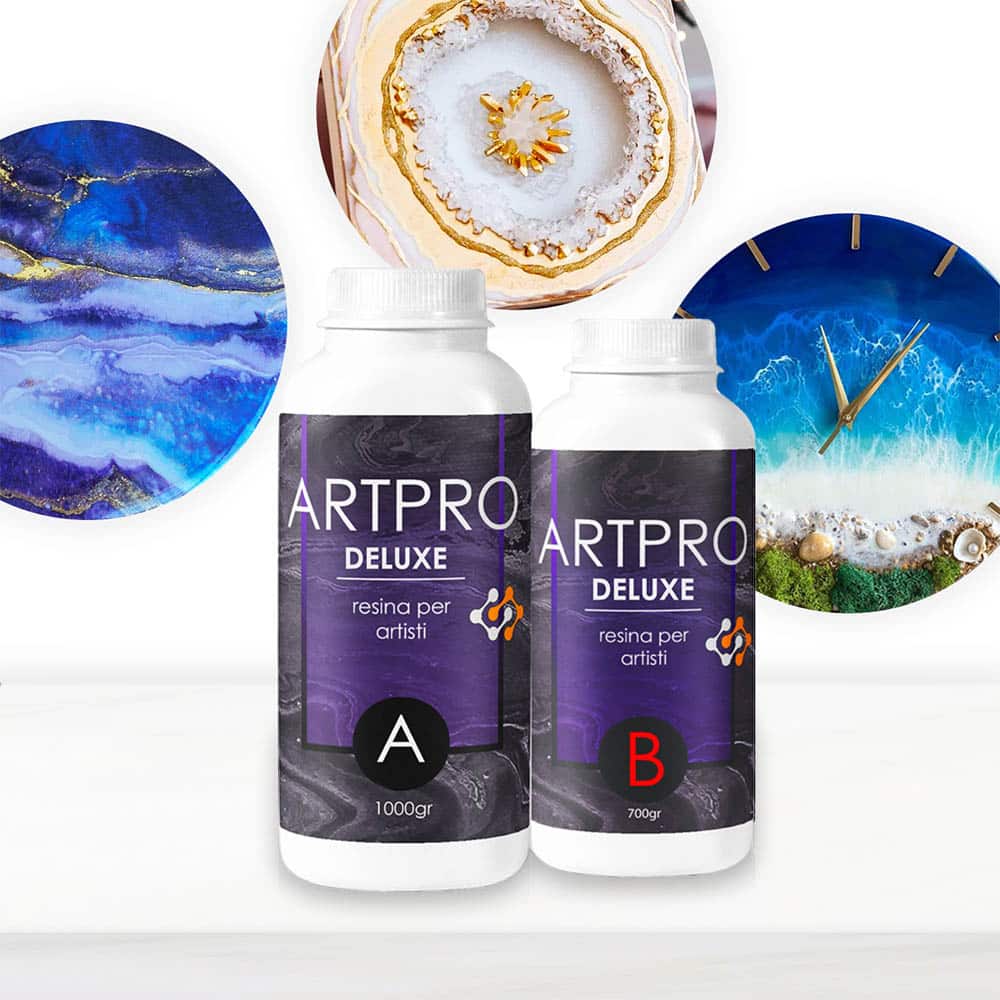 "Art Pro Deluxe" – Ultra-High Viscosity Epoxy Resin for ArtistsPrice range: £35.95 through £302.45"Art Pro Deluxe" high viscosity epoxy resin offers precise control in resin art with a clear, self-levelling finish suited to detailed creative work.
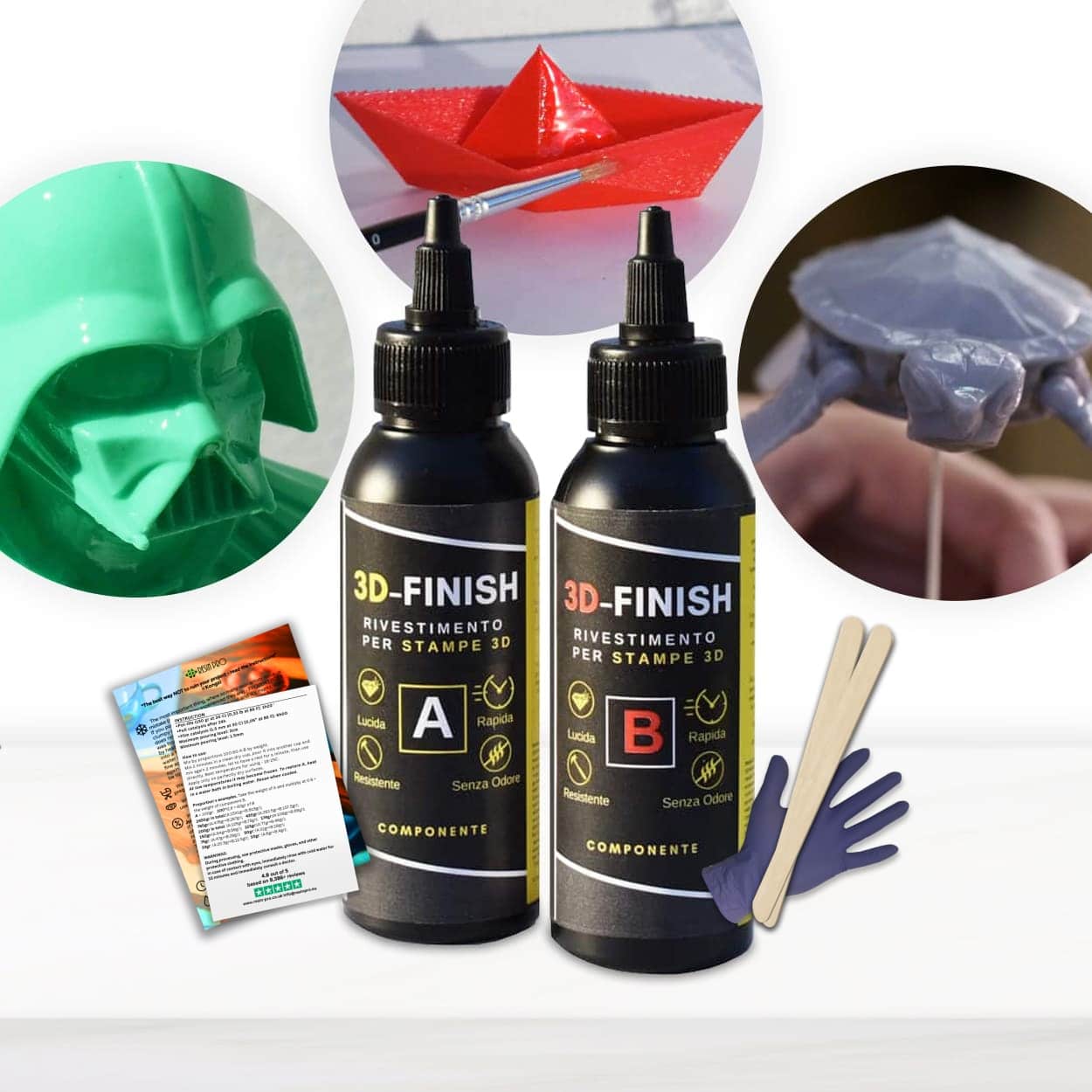 "3D Finish" – Fast Coating Epoxy Resin for 3D PrintsPrice range: £13.95 through £19.95"3D Finish" offers a non-drip coating that preserves detail and enhances strength for 3D printed models in a practical, quick-curing formula.
Frequently Asked Questions
Why does resin form craters or 'fish-eyes' when sprayed?
This usually happens due to surface contamination, such as oils or silicone, or incompatible surface tension between the resin and substrate.
Which resin product best prevents cratering in spraying?
Products with controlled viscosity, like 2K Clear Coat Lacquer or Art Pro Deluxe, reduce the chance of cratering when used on a well-prepared surface.
How should I prepare my surface to avoid resin craters?
Clean thoroughly to remove oils and dust, use a primer if needed, and allow the base to dry fully before applying resin or lacquer.
Does humidity or temperature affect cratering?
Yes, extreme humidity or low temperatures can hinder resin flow, making crater formation more likely. Follow each product's guidelines for best results.
Can I fix cratering after spraying resin?
Lightly sand and clean the affected area, then reapply a thin, even coat for a smoother finish.
How does Art Pro Deluxe prevent resin from spreading into craters?
Its ultra-high viscosity limits the flow so it sits on top of surface features, reducing the risk of resin creeping into unwanted depressions.