 Free shipping on orders over £29,85
  Shipping Tracking!


 Google
 Facebook
Does Permeable Flooring Withstand Cars
Understanding the durability of permeable resin-bound surfaces for vehicles

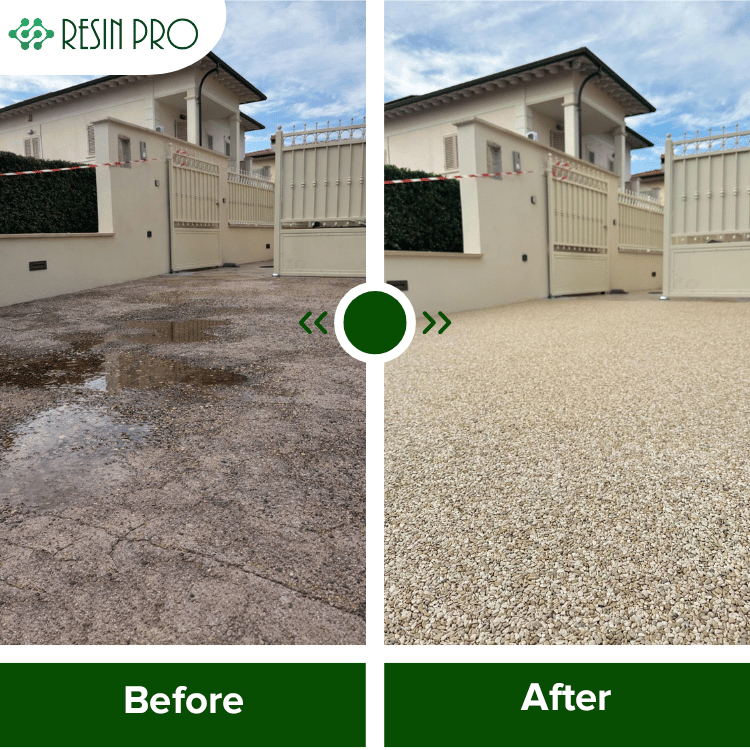
Permeable flooring solutions are increasingly popular for driveways, paths, and outdoor spaces, but a central question remains: Can permeable floors stand up to the weight and movement of cars? This guide examines the capabilities of modern permeable surfaces, showcases the best product options in the UK, and explains where resin-bound systems excel in supporting vehicles while managing water runoff effectively.
What Is Permeable Flooring for Driveways?
Permeable flooring is specially designed to allow rainwater to pass through the surface, preventing water logging and reducing the risk of local flooding. Systems such as the “Flowstone” – Complete Permeable Floor Kit with Pebbles and Resin combine washed pebbles with tailored resin binders to form a durable, semi-flexible layer. This creates an appealing yet functional surface ideal for high-traffic areas, including those traversed by vehicles.
The main benefits of permeable floors include:
- Permeable solution: Allows water drainage, preventing puddles and standing water on your drive
- Durable protection: Engineered for sustained use even with regular vehicle traffic when correctly installed
- Customisable style: Wide choice of colours and granule sizes to suit your landscape
- Low maintenance: Resilient and easy to clean
Comparing Permeable Flooring Products for Vehicle Traffic
If you’re looking to install a car-friendly permeable surface, the core solutions involve blending suitable stone aggregates with high-performance resins. Let’s explore the key options for driveways and related outdoor spaces:
- “Flowstone” – Complete Permeable Floor Kit with Pebbles and Resin: This all-in-one kit is designed for permeable surfaces with outstanding drainage. It uses non-yellowing polyurethane for white stones and low-yellowing epoxy for coloured stones to maintain vibrant looks. It’s appropriate for driveways needing permeable yet robust flooring, provided there is a concrete screed base or adequate reinforcement beneath the resin-bound layer.
- “Resinstone” – One-Component Methacrylic Resin for Concrete Floors and Driveways: Formulated especially for protecting and sealing concrete bases, this single-component methacrylic resin delivers quick drying, waterproof, and weather-resistant protection, enhancing the mechanical resistance of the finished permeable surface. Ideal for contractors upgrading or maintaining driveways exposed to cars.
- Washed Pebbles for Permeable Floors 25kg – Outdoor Resin-Bound Surfaces: Specially prepared stone aggregates for DIY or contractor use, these are critical to achieving proper drainage. When combined with resin from solutions like the “Flowstone” kit, they ensure the physical structure remains sound and attractive under vehicle use.
It is important to remember product suitability depends not only on the resin and aggregate choice, but also on site preparation and base strength. For driveways expecting regular vehicular load, a solid, reinforced base is advised before installing a resin-bound finish from the Pebble Floors range. For a full catalogue of resins suitable for concrete and permeable surfaces, visit our Multipurpose Epoxy Resins selection.
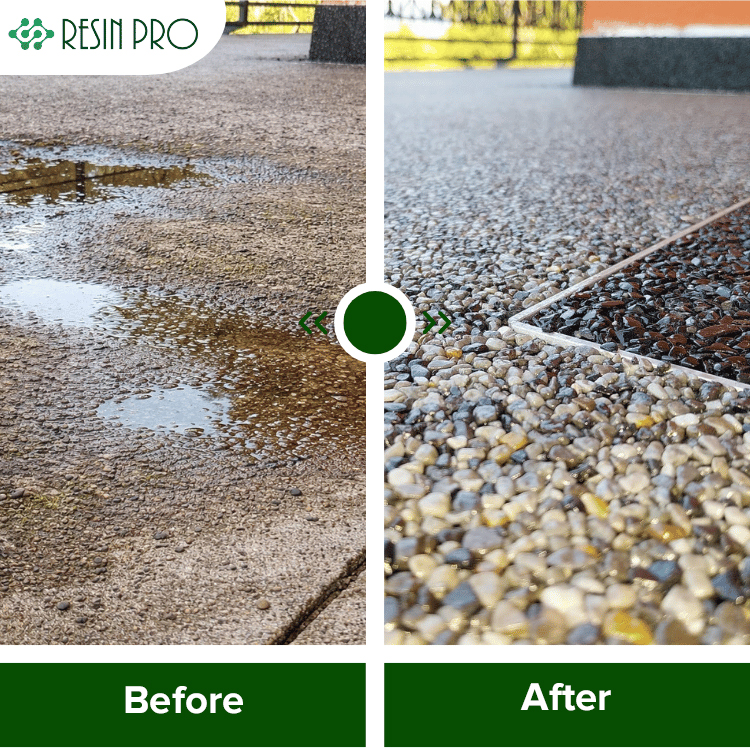
Real Installations: Permeable Driveways in Action
Across the UK, property owners are investing in permeable resin-bound driveways that are both visually appealing and engineered for everyday car use. Surfaces created with kits like Flowstone demonstrate excellent resistance to rutting and erosion, while also handling rainfall efficiently. They represent a blend of modern design and practical surface engineering for homes and businesses alike.
How Permeable Resin-Bound Surfaces Support Cars
Can permeable surfaces built from pebbles and resin actually handle the weight and motion of vehicles? With quality products and the correct installation process, yes. Resin-bound systems such as those using the “Flowstone” kit offer a combination of flexibility and mechanical resistance, thanks to the synergy between the resin binder and the selected aggregate. The result is a surface that is both resilient to daily use and optimised for drainage.
The “Resinstone” – One-Component Methacrylic Resin for Concrete Floors and Driveways can be used to treat and protect your existing driveway base, ensuring it remains waterproof and less prone to damage from chemicals or oils. For the resin-bound layer above, “Flowstone” – Complete Permeable Floor Kit with Pebbles and Resin provides straightforward guidance to help even DIY users achieve a robust, vehicle-ready surface.
Key installation steps include:
- Ensuring the substrate or screed base is sound and reinforced for vehicular use
- Using the right resin (polyurethane for UV stability, epoxy for colour control) matched to your aggregate
- Spreading the washed and dried pebbles evenly for maximum strength and drainage
When installed according to instructions, permeable resin-bound surfaces are suitable for private driveways, car parks, and access paths regularly used by cars and light vehicles.
Choosing the Right Products and Aggregates
The durability and permeability of your surface depend on both the resin and the type of aggregate selected. Washed Pebbles for Permeable Floors 25kg – Outdoor Resin-Bound Surfaces are ideal for combining with polyurethane or epoxy resins, creating a lasting and eco-friendly solution for areas expecting both foot and vehicle traffic. These pebbles are available in a range of natural shades, making it easy to achieve a customisable and attractive result for your project.
For the design-conscious, consider mixing washed pebbles with marble, granite, or coloured granules to develop unique looks while maintaining excellent drainage and surface integrity.
ResinPro also supplies advisory support and materials for DIY or contractor applications, so even large or complex installation can benefit from expert input. For a comprehensive overview, discover everything in our Pebble Floors category.
Expert Advice: Preparing Your Base for Vehicles
Proper base preparation is vital for permeable flooring longevity. Before applying resin-bound surfaces, ensure your driveway has a reinforced substrate—such as cured concrete or compacted aggregate. Treating the base with Resinstone further protects against moisture and surface wear, building a solid foundation for a car-ready permeable system.
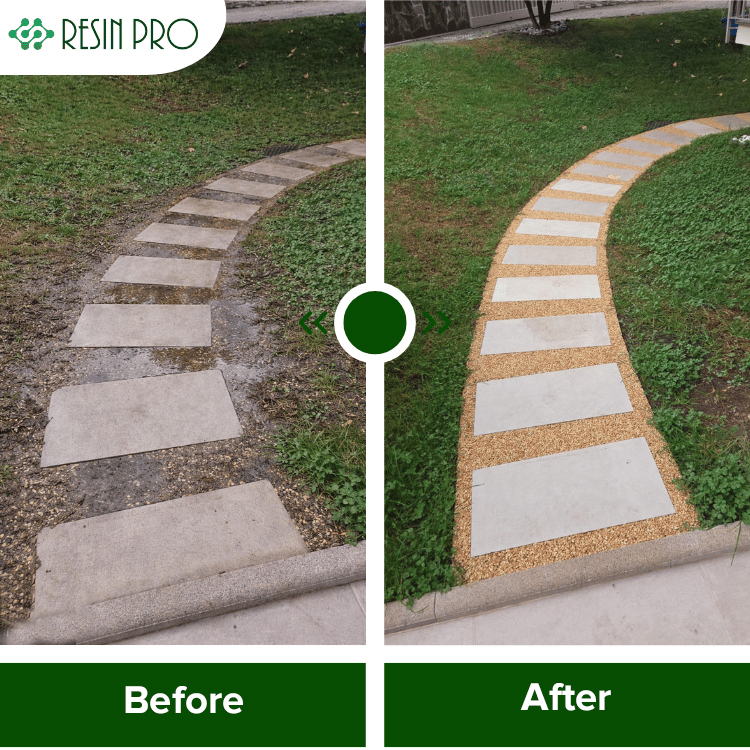
FAQs – Permeable Flooring and Car Use
- "Flowstone" – Complete Permeable Floor Kit with Pebbles and ResinPrice range: £42.85 through £3,389.85"Flowstone" kit offers a permeable pebble and resin system designed for outdoor spaces with customisable colours and straightforward application.
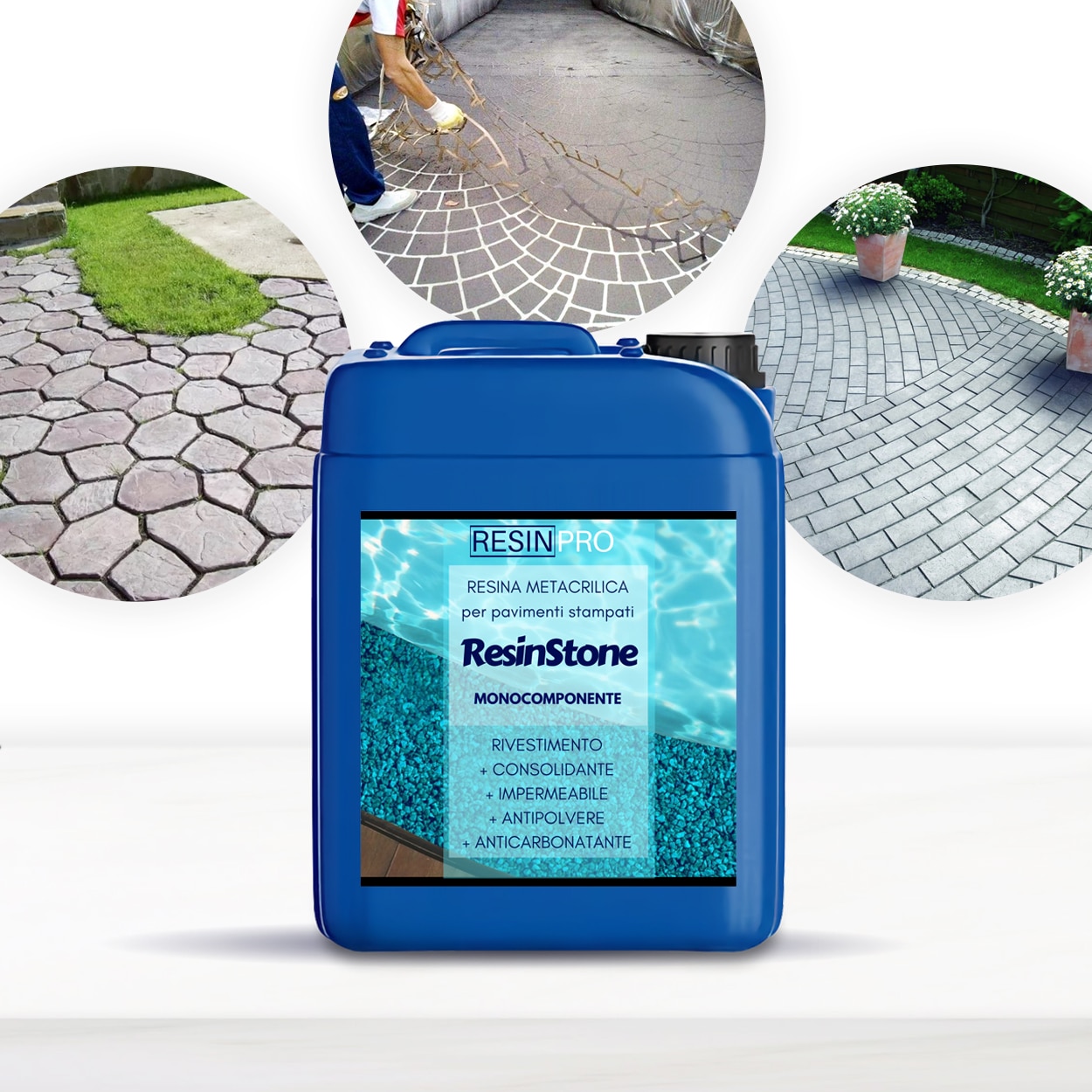 "Resinstone" – One-Component Methacrylic Resin for Concrete Floors and DrivewaysPrice range: £29.85 through £59.85"Resinstone" is a one-component methacrylic resin designed for sealing concrete floors and driveways. It offers durable protection common in…
 Washed Pebbles for Permeable Floors 25kg – Outdoor Resin-Bound Surfaces£26.85Washed pebbles for permeable floors provide a natural material option suitable for resin-bound outdoor surfaces in this theme.
What types of resin do you offer for flooring?
ResinPro provides versatile resins for a range of applications including industrial cement-based floors, coloured self-levelling finishes, garage floors, permeable pebble flooring and tile coatings. Our product range caters to a variety of environments and performance demands.
What are the advantages of resins compared to other flooring materials?
Resin floors offer high wear resistance, easy maintenance, and excellent durability. They deliver waterproofing, strong surface protection, and a wide range of finishes suitable for both commercial and private use.
Are specific weather conditions required for resin application?
Yes, successful resin application typically requires moderate weather conditions. Avoid very low or high temperatures and excessive humidity for proper adhesion and curing.
What is a permeable floor?
A permeable floor is built from a special blend of stones and resins, allowing rainwater to drain through and disperse into the subsoil. This prevents surface puddling and reduces the burden on drainage systems.
What are the advantages of a permeable floor?
These floors offer a customisable appearance, low application costs, superior water drainage, frost resistance, an anti-slip finish, and minimal maintenance needs. They are ideal for rainy climates and can be installed as a DIY project.
Where is it recommended to install a permeable floor?
Permeable floors are commonly used in outdoor areas that handle frequent rain or vehicle use—such as car parks, driveways, gardens, pedestrian and cycle paths, and public gathering spaces.
Are permeable floors suitable for cold climates?
Yes, when installation is properly carried out, these systems perform well and maintain their drainage capability even through freeze-thaw cycles.
Can I install a permeable floor myself?
Absolutely. Our kits and aggregates include guidance and are suitable for DIY projects of varying sizes. For large areas, a cement mixer simplifies the process of blending resin and stones.
Are permeable floors suitable for high-traffic areas?
Granule and resin-based permeable floors are robust, supporting regular foot and vehicle traffic when suitable materials and installation guidelines are followed.
Can pebbles for permeable floors be used to create surfaces that allow water drainage?
Yes, our specially prepared pebbles foster superior drainage, making them an ideal choice for resin-bound driveways, paths, and patios.
Are these pebbles suited for combining with other aggregates for design purposes?
Yes, pebbles can be mixed with marble, granite, or porphyry granules for unique and visually striking results without sacrificing performance.
Can RESINSTONE be used as a gravel binder?
No, “Resinstone” is intended for absorbent bases such as concrete. For binding loose gravel, select a dedicated stone binder designed for that specific use.
Frequently Asked Questions
What types of resin do you offer for flooring?
ResinPro provides versatile resins for a range of applications including industrial cement-based floors, coloured self-levelling finishes, garage floors, permeable pebble flooring and tile coatings. Our product range caters to a variety of environments and performance demands.
What are the advantages of resins compared to other flooring materials?
Resin floors offer high wear resistance, easy maintenance, and excellent durability. They deliver waterproofing, strong surface protection, and a wide range of finishes suitable for both commercial and private use.
Are specific weather conditions required for resin application?
Yes, successful resin application typically requires moderate weather conditions. Avoid very low or high temperatures and excessive humidity for proper adhesion and curing.
What is a permeable floor?
A permeable floor is built from a special blend of stones and resins, allowing rainwater to drain through and disperse into the subsoil. This prevents surface puddling and reduces the burden on drainage systems.
What are the advantages of a permeable floor?
These floors offer a customisable appearance, low application costs, superior water drainage, frost resistance, an anti-slip finish, and minimal maintenance needs. They are ideal for rainy climates and can be installed as a DIY project.
Where is it recommended to install a permeable floor?
Permeable floors are commonly used in outdoor areas that handle frequent rain or vehicle use—such as car parks, driveways, gardens, pedestrian and cycle paths, and public gathering spaces.
Are permeable floors suitable for cold climates?
Yes, when installation is properly carried out, these systems perform well and maintain their drainage capability even through freeze-thaw cycles.
Can I install a permeable floor myself?
Absolutely. Our kits and aggregates include guidance and are suitable for DIY projects of varying sizes. For large areas, a cement mixer simplifies the process of blending resin and stones.
Are permeable floors suitable for high-traffic areas?
Granule and resin-based permeable floors are robust, supporting regular foot and vehicle traffic when suitable materials and installation guidelines are followed.
Can pebbles for permeable floors be used to create surfaces that allow water drainage?
Yes, our specially prepared pebbles foster superior drainage, making them an ideal choice for resin-bound driveways, paths, and patios.
Are these pebbles suited for combining with other aggregates for design purposes?
Yes, pebbles can be mixed with marble, granite, or porphyry granules for unique and visually striking results without sacrificing performance.
Can RESINSTONE be used as a gravel binder?
No, "Resinstone" is intended for absorbent bases such as concrete. For binding loose gravel, select a dedicated stone binder designed for that specific use.