 Free shipping on orders over £29,85
  Shipping Tracking!


 Google
 Facebook
← Back to How do you make a small table with phosphorescent resin?
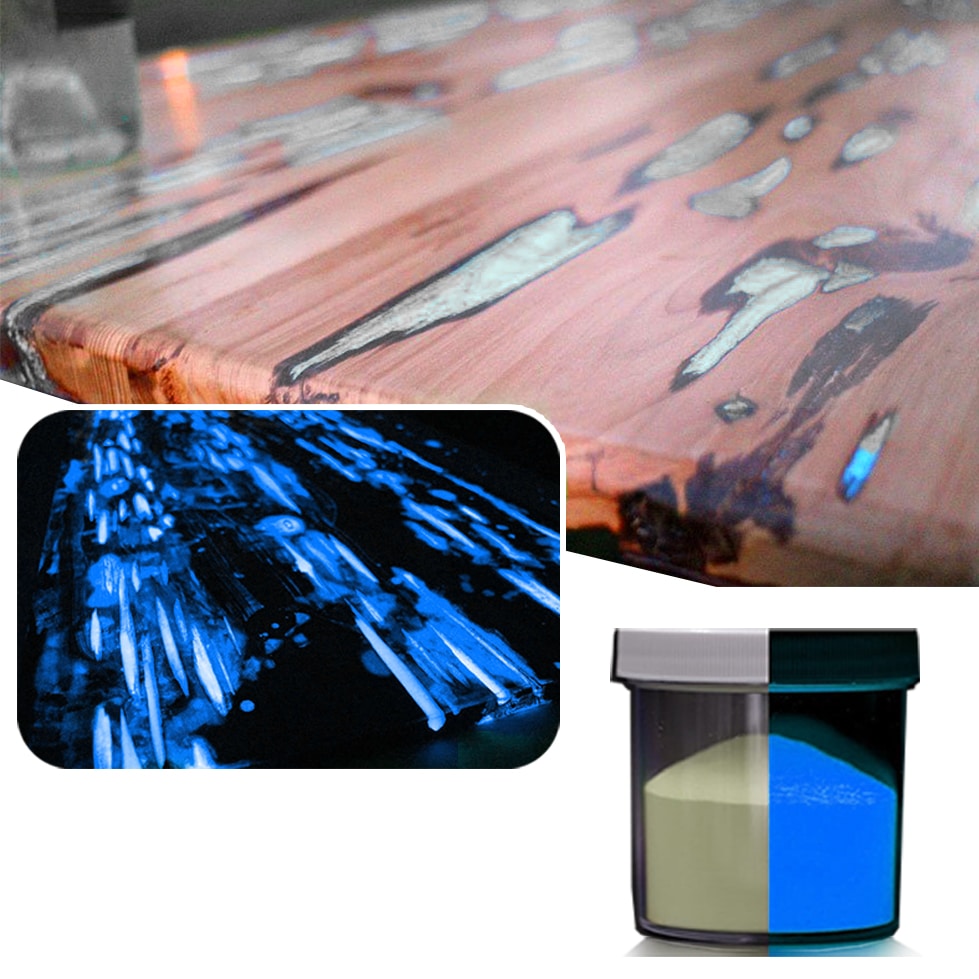
Curious if adding phosphorescent pigment to your resin project will interrupt curing or alter the final strength? Here’s a practical look at how these glowing additives behave in typical resin pours for creative tables and crafts.
Mixing Pigment the Right Way
When using phosphorescent pigment, the key is to follow recommended usage rates set by your pigment supplier. These pigments are designed to blend smoothly with compatible resins—such as those found in deep pour epoxy systems—without changing standard curing or final strength as long as you avoid overloading. Excess pigment can interfere with the resin’s chemical reaction and lead to softer or improperly cured results, so always measure carefully. For best results, thoroughly incorporate the pigment to avoid lumps and ensure consistent glow.
Practical Tips for Robust Results
- Choose a resin formulated for deep pours or creative table projects, such as EpoxyTable 5-Five, to ensure a reliable base for your additives.
- Do a small test batch first if you’re unsure about pigment amount.
- Mix pigment in gradually, monitoring as the resin thickens during curing.
Remember, blue and green phosphorescent pigments may have higher heat resistance if your piece will be exposed to warmer conditions.
When This Matters Most
This consideration is especially important if your project’s durability is crucial—such as in functional furniture or table surfaces. Over-saturating with pigment can impair both appearance and mechanical strength.
Related products
Related guides
By following careful mixing practices, you can enjoy vibrant glow-in-the-dark effects without sacrificing the quality or longevity of your resin projects. For more on working with phosphorescent resin in tables, see our main guide on making a small table with phosphorescent resin.