 Free shipping on orders over £29,85
  Shipping Tracking!


 Google
 Facebook
← Back to At what temperature below zero does resin crystallise?
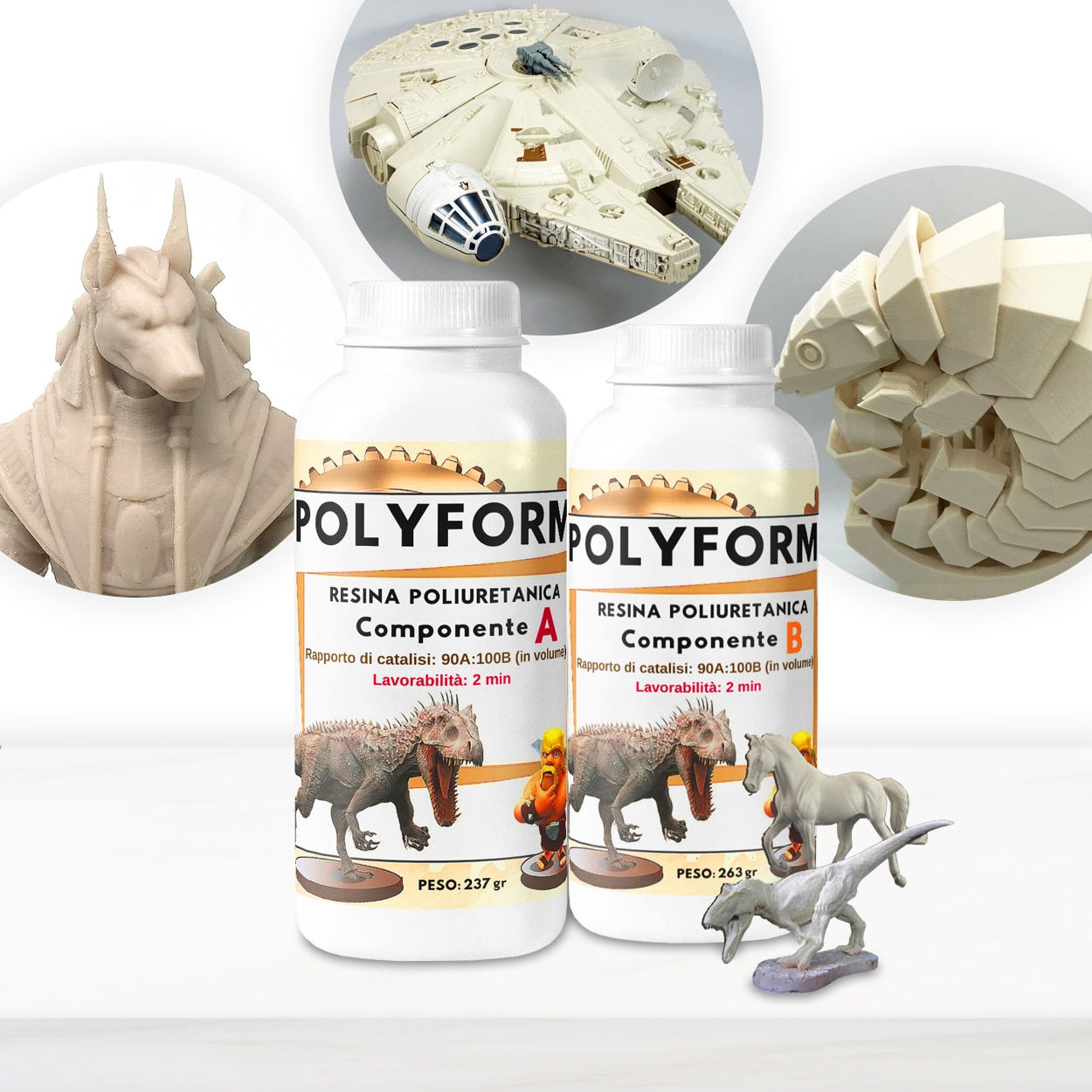
If you work with resin, you may have noticed it turn cloudy or develop solid bits when exposed to freezing temperatures. Understanding why this happens can prevent wasted materials and disappointing results.
How Cold Triggers Resin Crystallisation
When resin, especially epoxy or polyurethane types, is stored or cured near or below zero degrees Celsius, low temperatures can promote crystallisation. This process causes the resin to become cloudy or form grains and solids instead of staying a smooth liquid. While it does not necessarily mean the resin is ruined, crystallisation can make it difficult to measure, mix, and pour effectively for your projects.
Minimising Cold Weather Issues
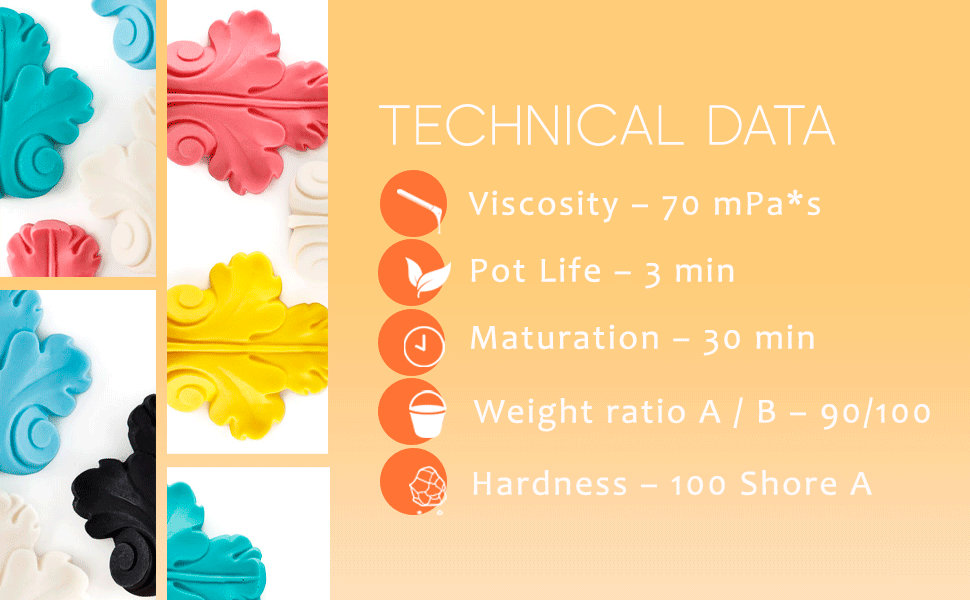
It’s best to store and handle your resin in environments where the temperature is above 8–10°C. Many products, such as Polyform polyurethane casting resin, are not recommended for use in colder conditions, as they may not cure properly or produce the desired finish. If your resin has crystallised, warming it gently (in its sealed container, placed in a warm water bath) will often help return it to a usable state. Avoid rapid heating or direct contact with boiling water to protect the packaging and resin quality.
When This Matters Most
- Winter crafting: If you work in an unheated garage or shed, sudden cold snaps could cause resin crystallisation overnight.
- Storage and shipping: Resin delivered or kept in cold environments can crystallise in the bottle long before you even open it.

Related products
Related guides
By keeping your resin products above freezing and following temperature guidelines, you’ll ensure lasting clarity and smooth performance for your projects. For further advice on how temperatures affect your resin, visit our main guide on resin crystallisation and cold weather.