 Free shipping on orders over £29,85
  Shipping Tracking!


 Google
 Facebook
← Back to How long does interior floor resin last?
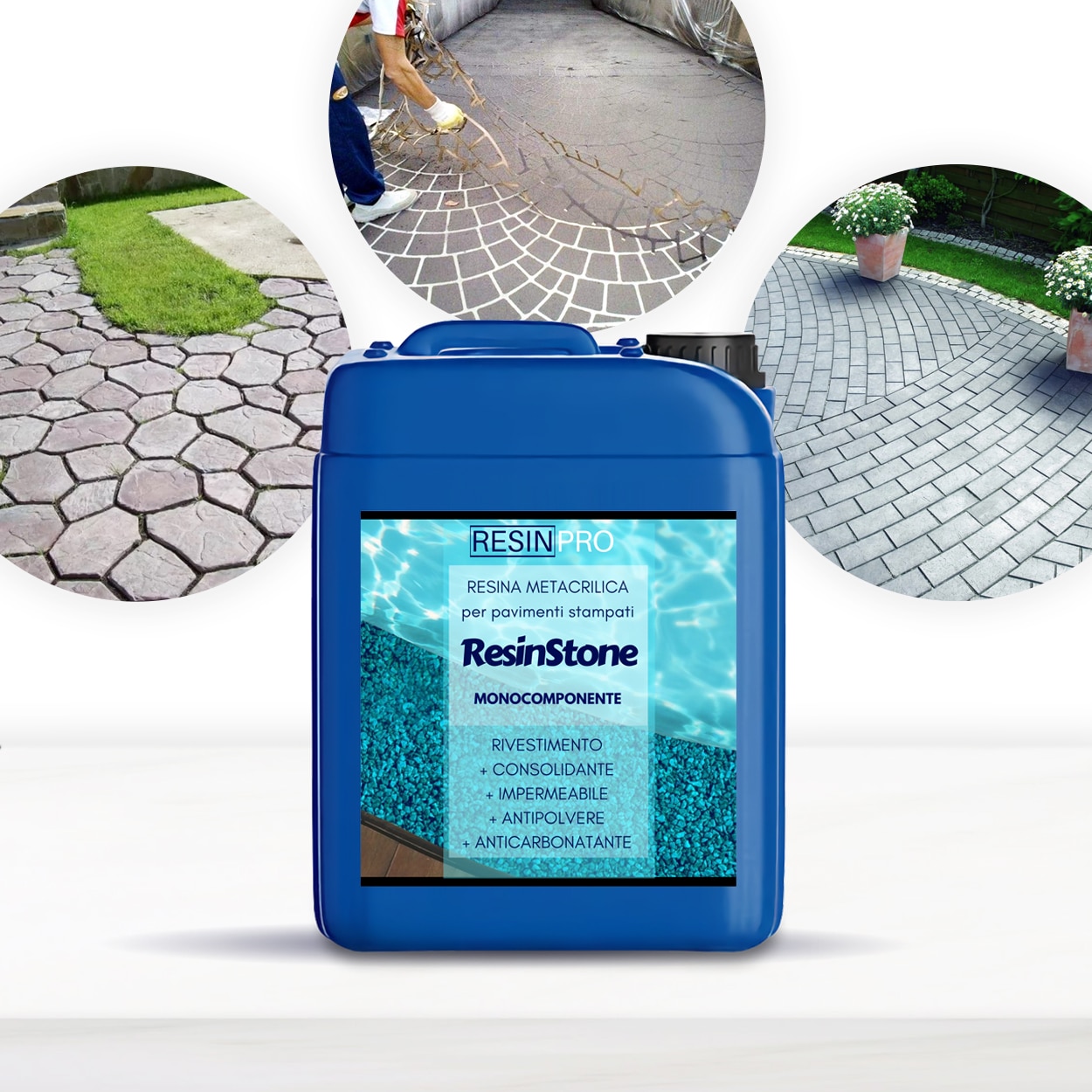

Worried about whether resin floors might crack or peel as time goes on? By understanding why these issues occur and how modern systems avoid them, you can confidently choose a resin finish that stands the test of time.
Why Resin Floors Might Crack or Peel
Cracking or peeling in resin flooring most often results from issues beneath the surface or inadequate floor preparation. For example, moisture in concrete, insufficient priming, or poor-quality installation can all lead to splitting, bubbling, or patchy flaking over time. In normal use, however, a well-prepared and professionally installed resin floor is robust, with a continuous finish that naturally resists wear and delamination.
Essentials for Preventing Surface Problems
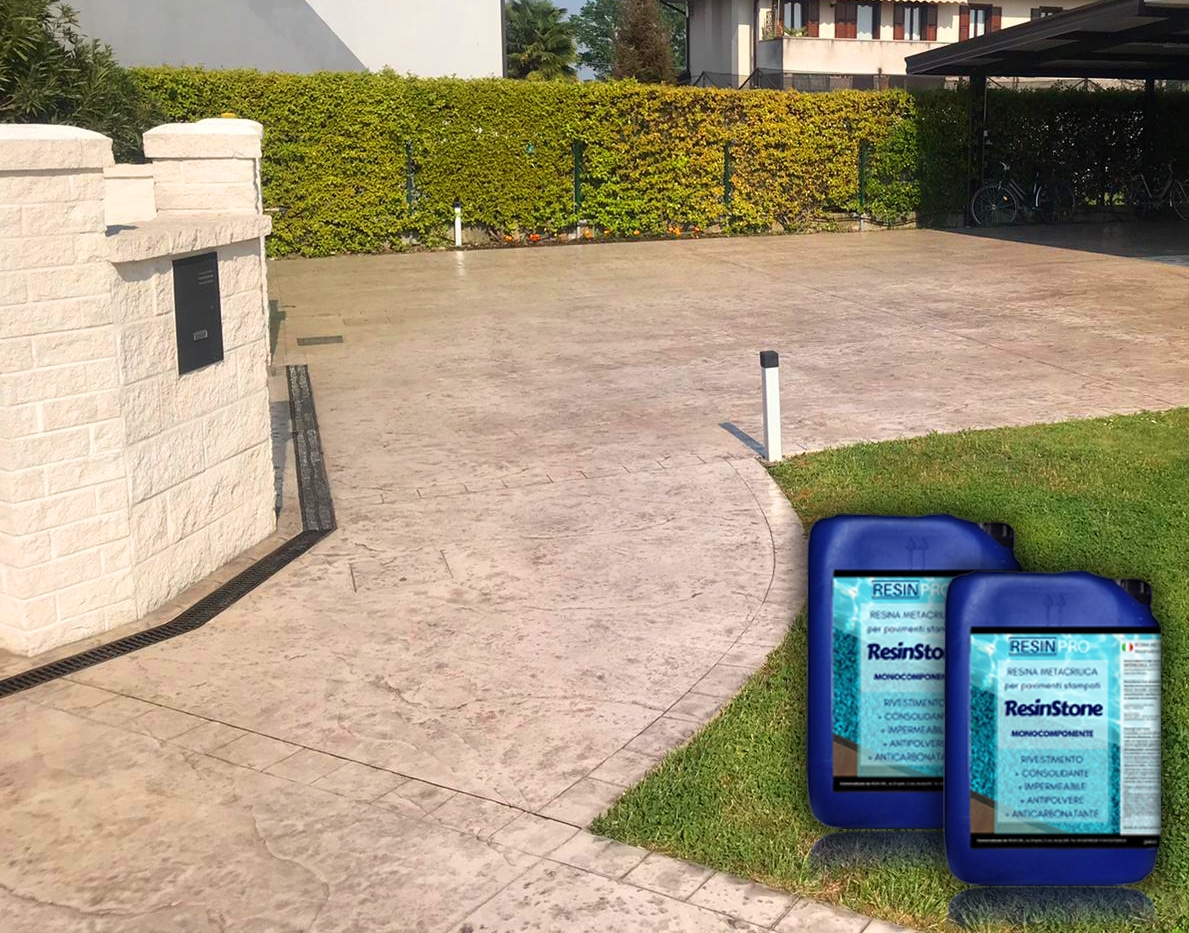
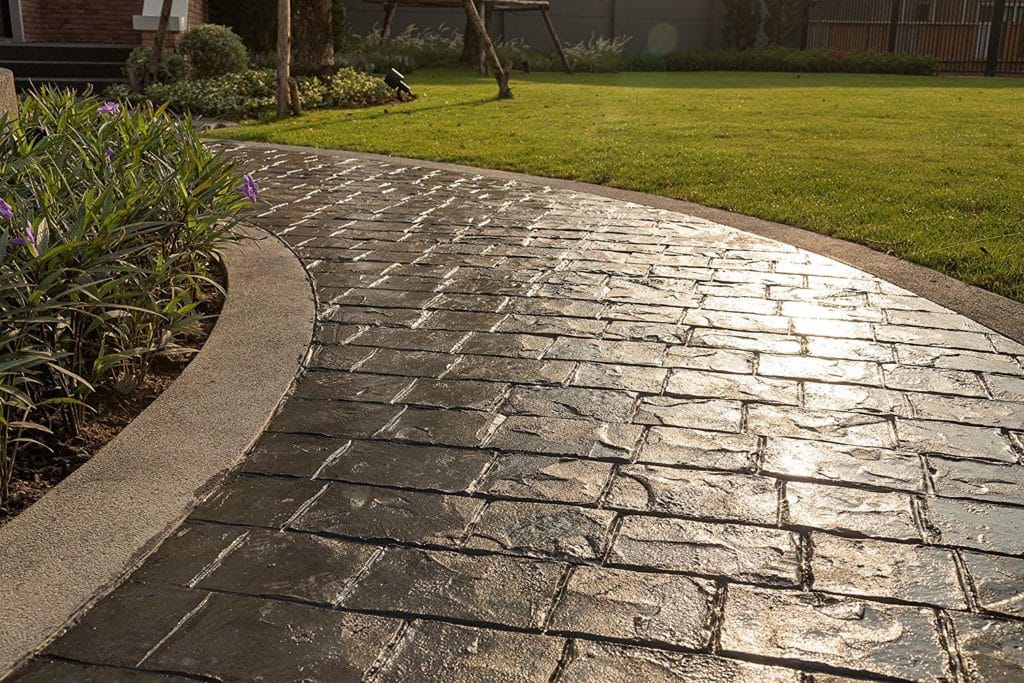
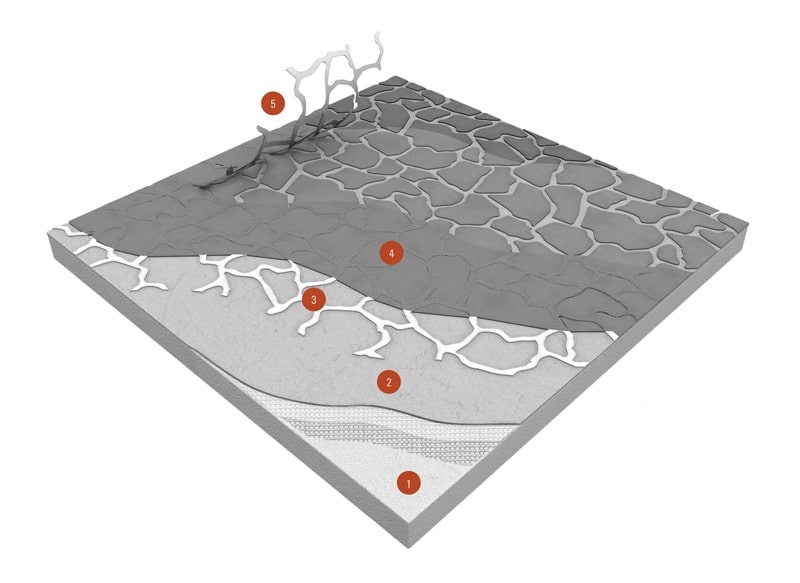
Quality matters from the very start—choosing a suitable primer like the Epoxyprimer is a strong foundation, especially for tricky substrates such as wood or tile. Before any resin is poured, the surface must be fully clean, dry, and structurally sound. Following the manufacturer’s instructions for mixing and application promotes a seamless finish. Routine cleaning and periodic checks for damage help maintain your floors in top condition for years.
When to Monitor for Issues
- If the property experiences significant temperature swings, check the floor’s edges for movement.
- Areas exposed to heavy foot traffic or strong cleaning chemicals may need more regular inspection for early signs of wear.
Related products
Related guides
With good preparation and care, resin flooring keeps its integrity for many years, adding reliable and attractive value to your space. To explore more about interior floor resin longevity, visit our main guide.