 Free shipping on orders over £29,85
  Shipping Tracking!


 Google
 Facebook
← Back to How do you resin foam?
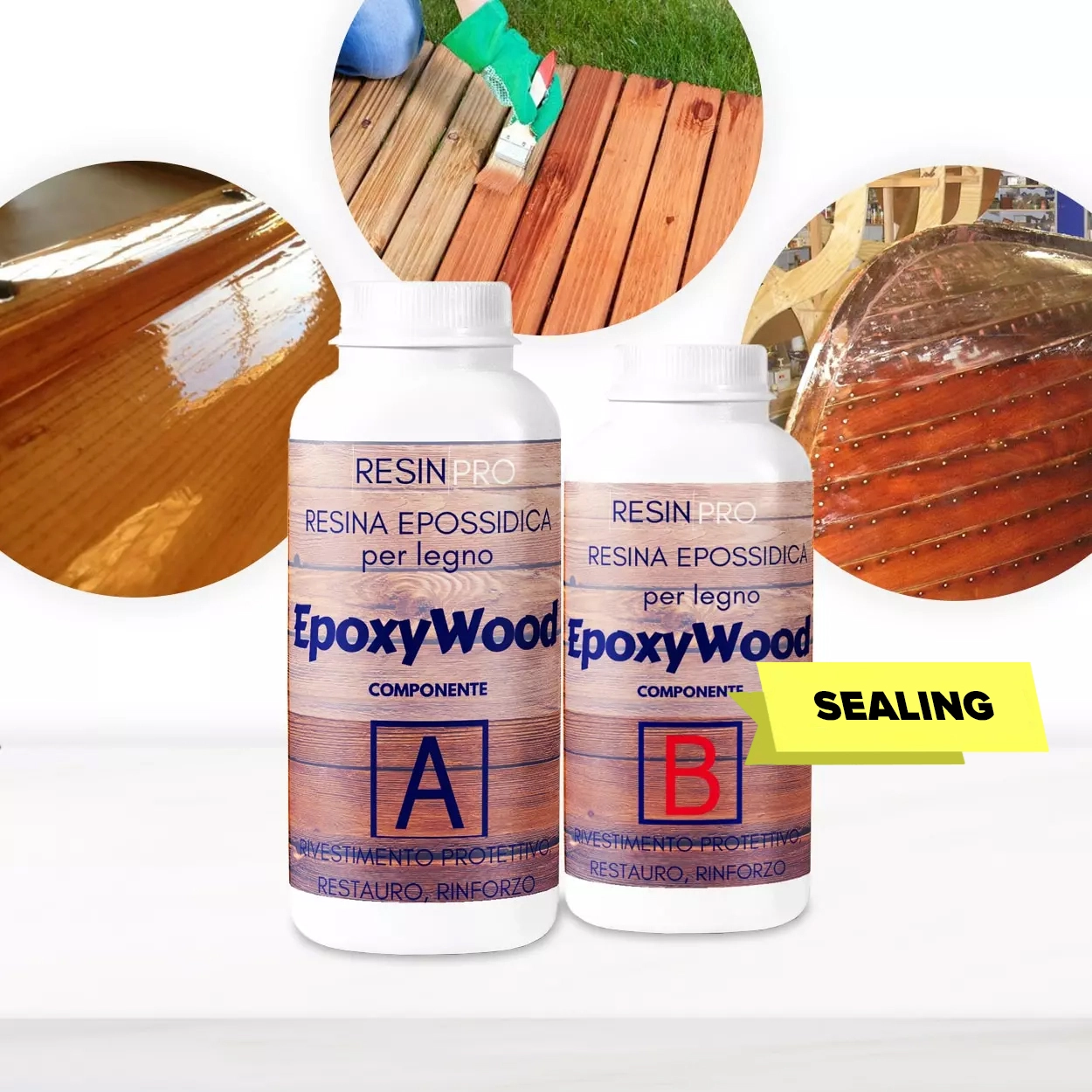
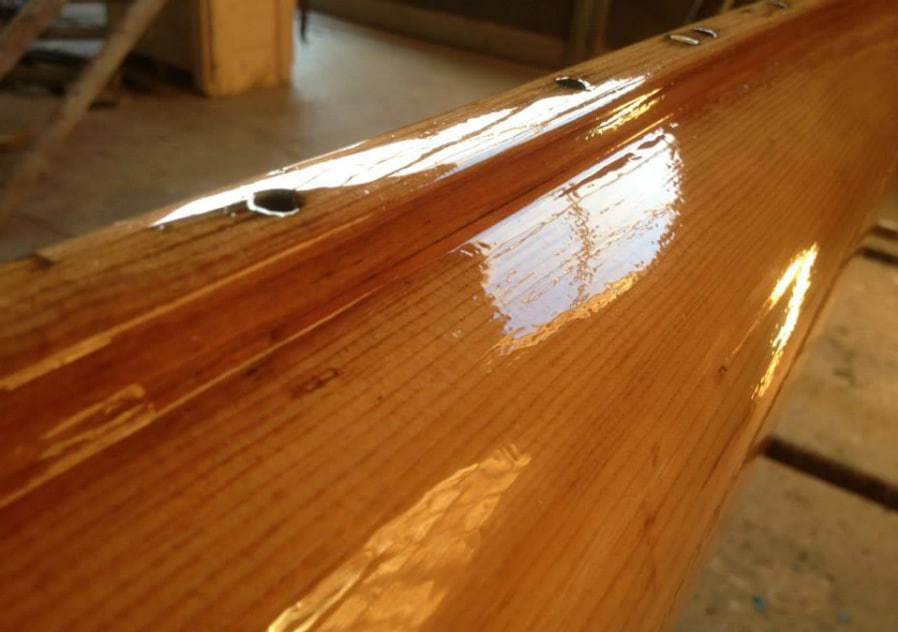
If you’re looking to protect foam from water damage, coating it with resin can be an effective solution. But does resined foam really become waterproof? Here’s what you need to know to get long-lasting results for your projects.
How Resin Protects Foam from Water
When you coat foam with a suitable resin, it creates a solid barrier that blocks water and moisture. The resin seeps into the surface pores, forming a seamless, hard shell once cured. This makes the foam far less likely to absorb water, ensuring lasting protection against damp and environmental conditions. For best results, ensure the foam is fully dry and dust-free before resin application.
Choosing the Right Resin for Waterproofing Foam
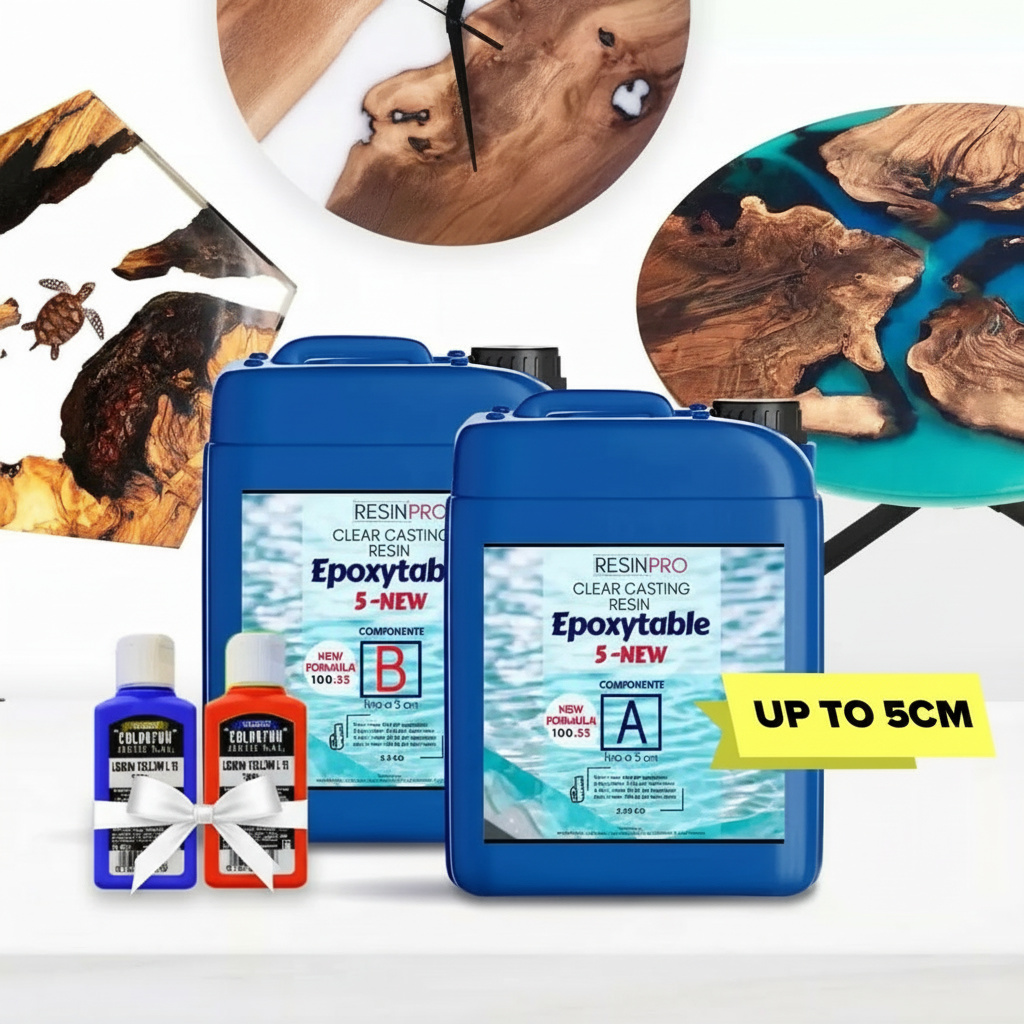
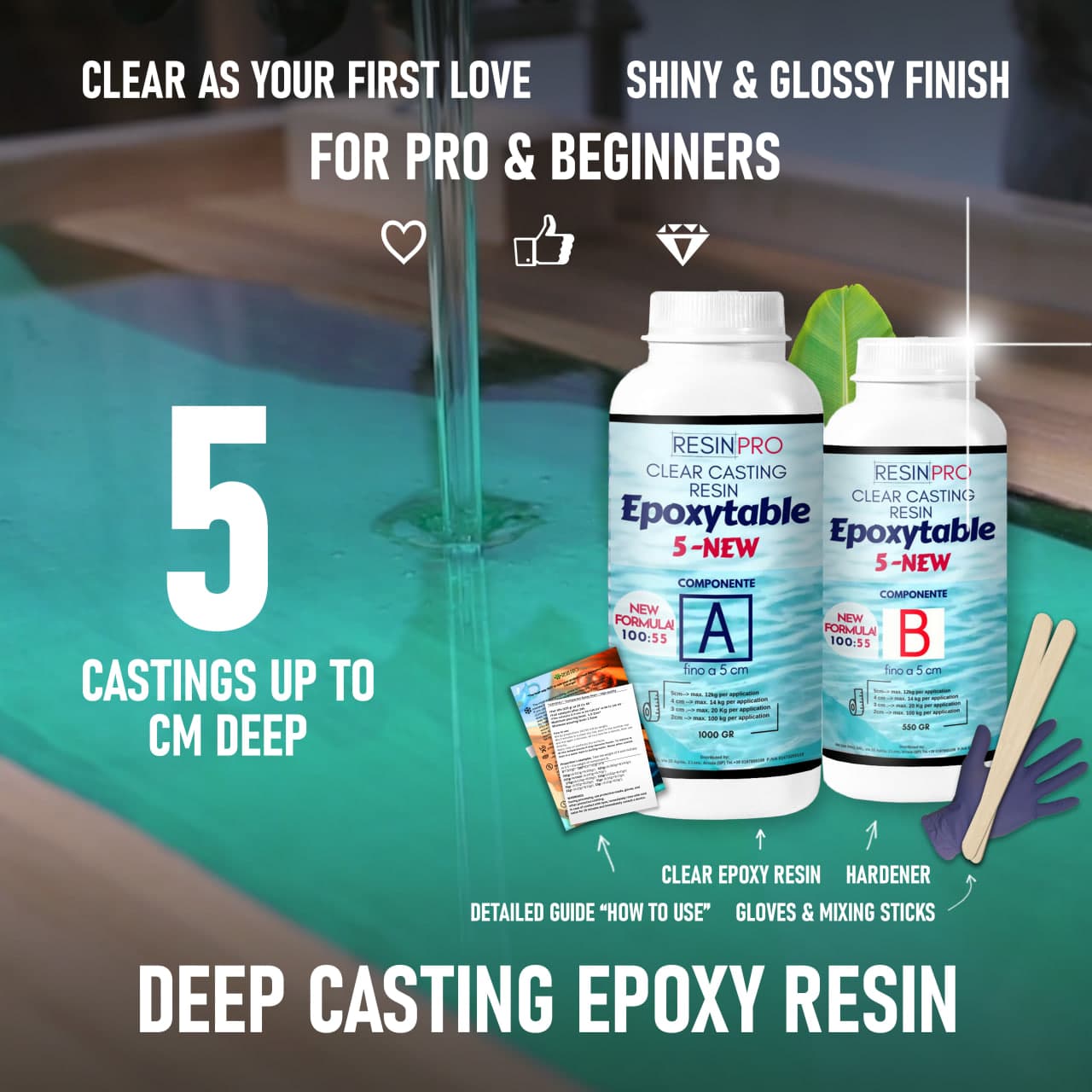
Not all resins are created equal. EpoxyWood is ideal for deep penetration and forming durable waterproof coatings on porous surfaces like foam and wood. For clear, decorative finishes up to 2cm thick, Trasparente is a versatile option, while Be Flex is great for flexible or curved foam shapes. Always select a resin compatible with your specific application to achieve a long-lasting, moisture-resistant seal.
When This Matters
- Outdoor decorative displays or props exposed to rain and damp
- Marine or boat-related foam components needing moisture defence
- Art, crafts or model-making where water resistance is important for preservation

Related products
Related guides
For projects where foam needs a hardwearing, water-resistant finish, resining is a practical choice. Explore more solutions and expert advice on how to resin foam to enhance both durability and appearance.