 Free shipping on orders over £29,85
  Shipping Tracking!


 Google
 Facebook
← Back to What is an epoxy thinner?
If you’re planning a project with epoxy resin, it’s natural to wonder whether adding a thinner might alter the product’s long-term clarity and resistance to yellowing in sunlight. Here’s how thinners interact with the UV protection built into modern epoxy formulations.
Thinners and UV Resistance: What Happens?
Epoxy resins, especially those developed for crafts, coatings, or deep pours, often include additives designed to filter UV light. However, introducing a thinner that isn’t part of the original formula can reduce the concentration of these UV stabilisers, essentially diluting the protection that’s been carefully engineered. Over time, this may mean increased risk of discolouration or loss of clarity in sunlit areas.
Choosing Ready-Made UV-Resistant Epoxy
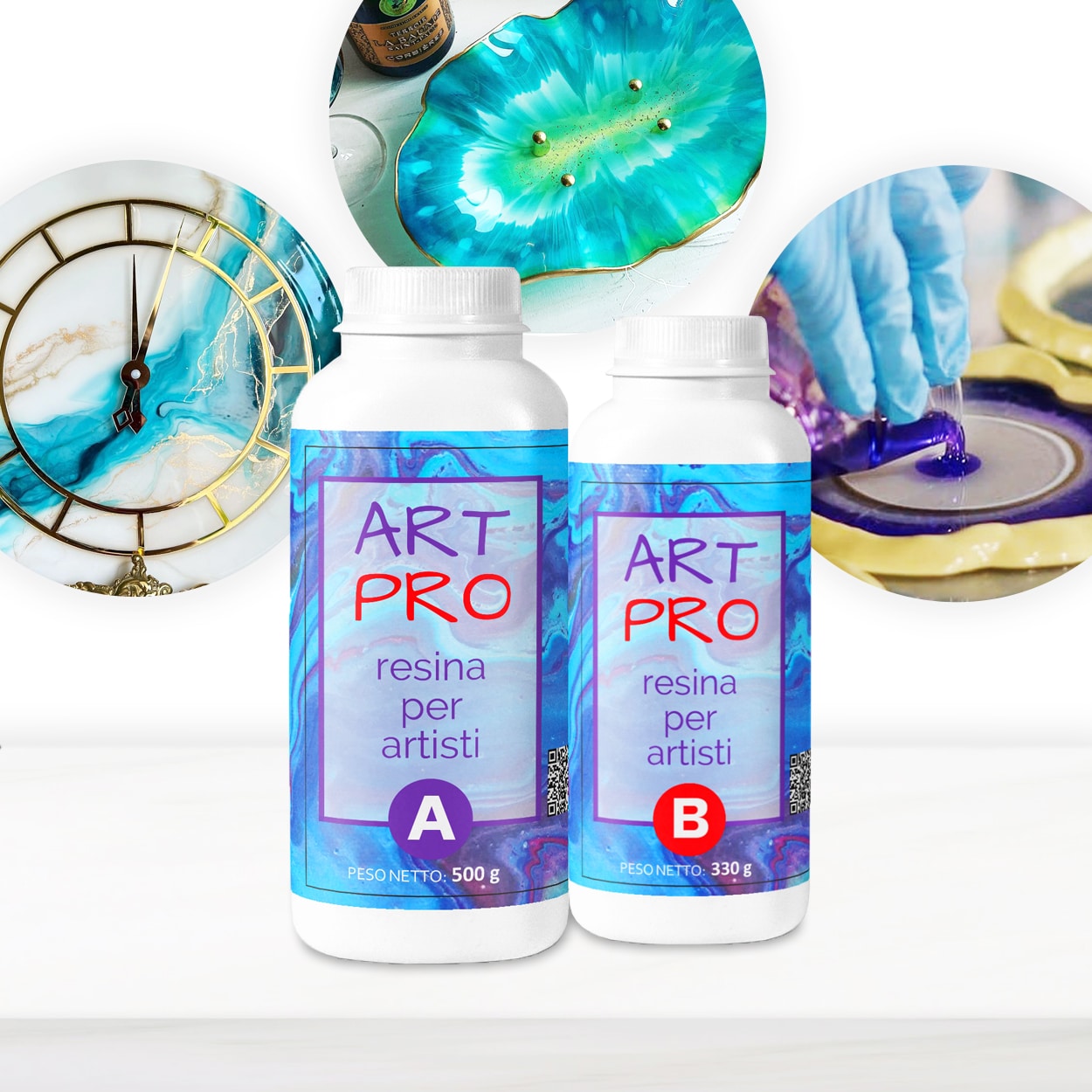
To avoid complications—and preserve maximum UV resistance—it’s best to choose products with built-in protection. For example, Art Pro and One-2-One resins both feature UV filtering agents, giving your surfaces and art pieces a stronger defence against yellowing. These resins deliver clarity and a glossy finish without the need for external thinners.
When This Matters Most
- If your finished piece will be displayed in sunlight or bright indoor lighting, maintaining UV resistance is crucial for lasting appearance.
- Large castings or tables—such as those created using an epoxy like Epoxytable 10-Ten—benefit from the undiluted, full-strength UV protection built into purpose-formulated resins.
Related products
Related guides
For lasting results with vibrant clarity, it’s advisable to avoid unnecessary thinning and instead select an epoxy designed for strong UV resistance. Explore more about resin performance and best practices on our main epoxy thinner advice page.