 Free shipping on orders over £29,85
  Shipping Tracking!


 Google
 Facebook
← Back to What are synthetic resins commonly called?
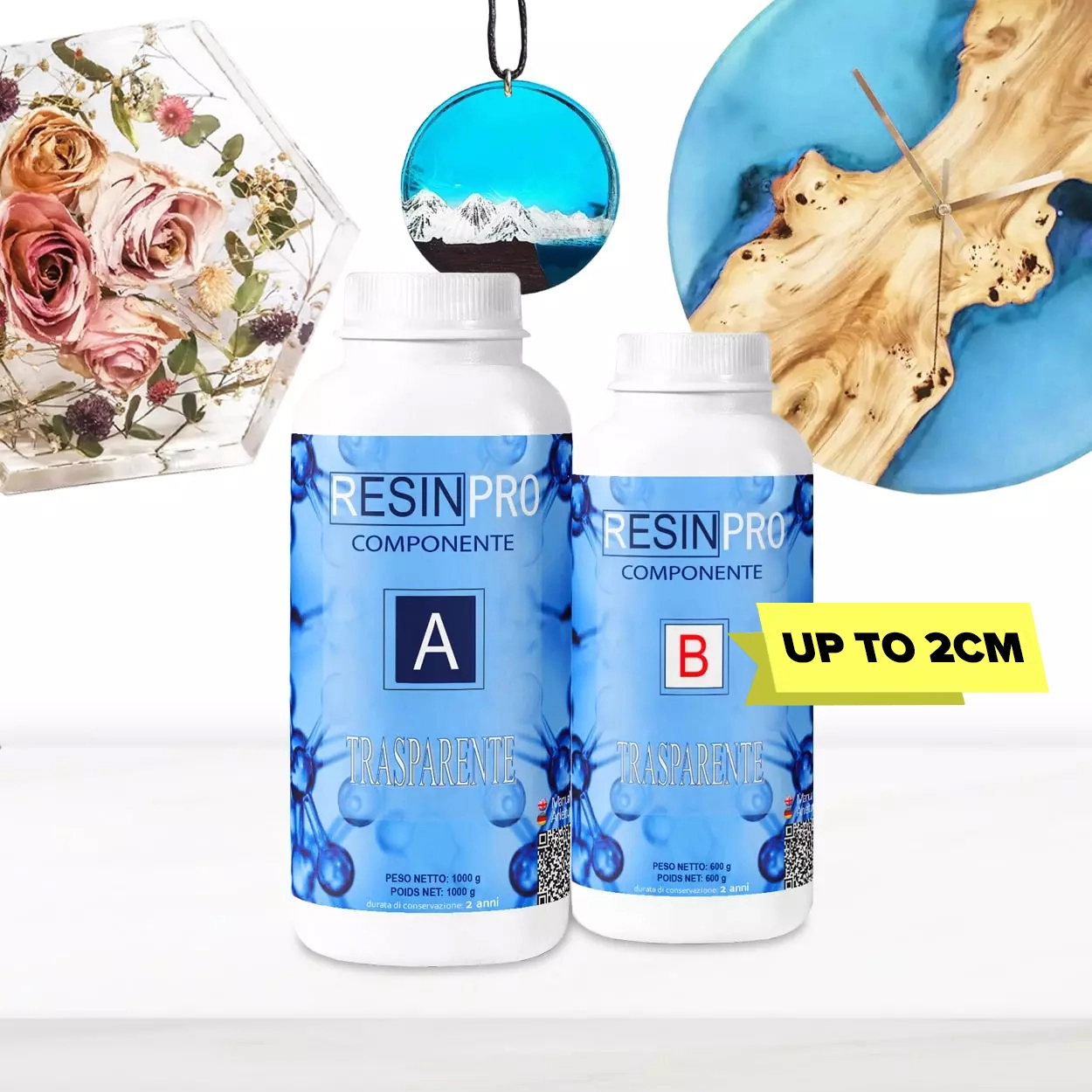
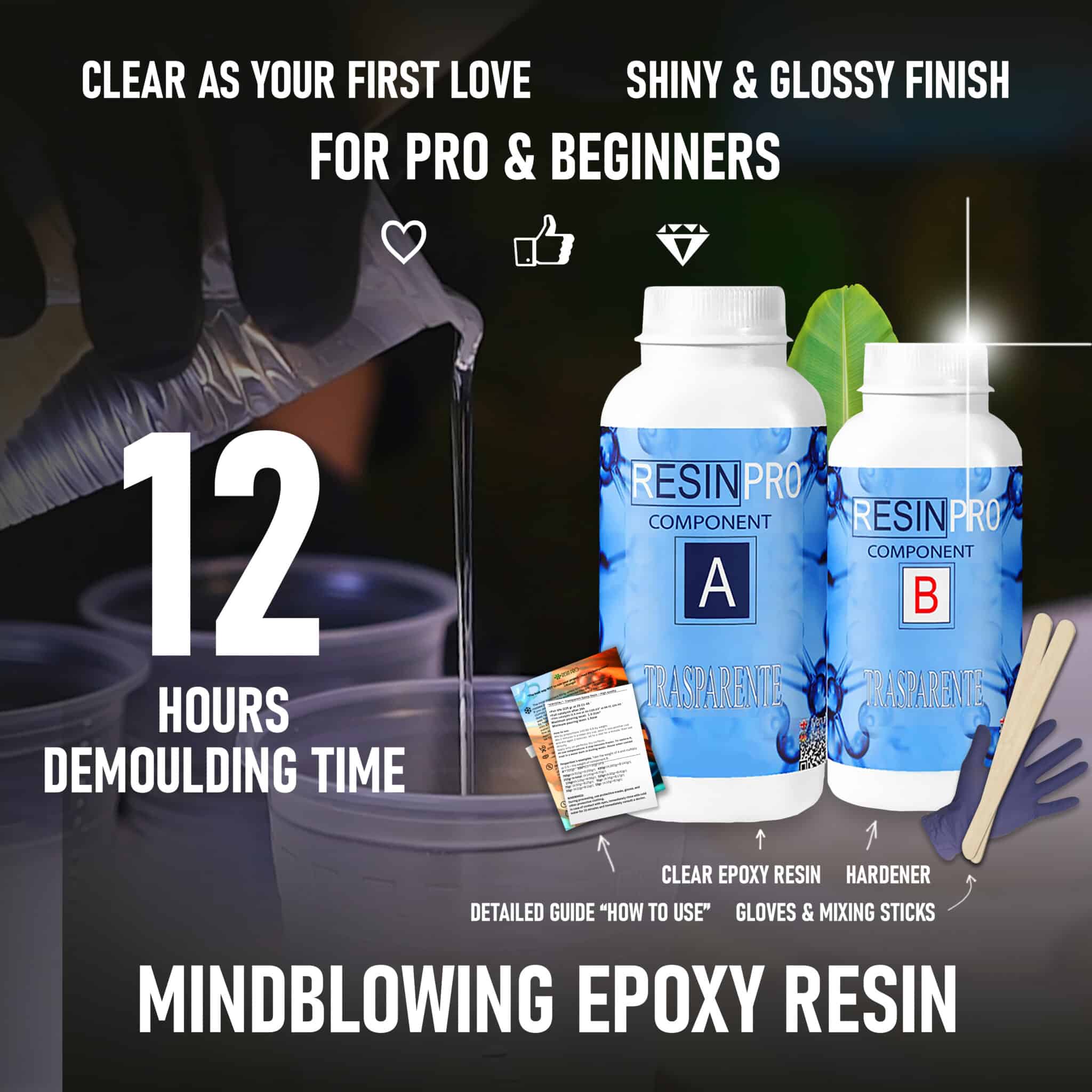
Creating resin keepsakes with printed images or artwork can be incredibly rewarding, but getting a crisp, lasting finish depends on the correct preparation and resin selection. Here’s how to prevent unsightly yellowing and preserve your prints without ink-bleed.
Seal Prints Before Embedding
Printed papers and photos should always be sealed before embedding in synthetic resins like epoxy. Using an acrylic spray lacquer creates a protective barrier over the inks, stopping the resin from causing ink to bleed or run. Allow your prints to dry thoroughly between two or more light coats, ensuring full coverage over edges, especially with porous or dye-based papers.
- Spray in a well-ventilated area
- Let each coat dry fully before the next
- Double-check coverage, focusing on corners and trims

Choose a Resin With UV Protection
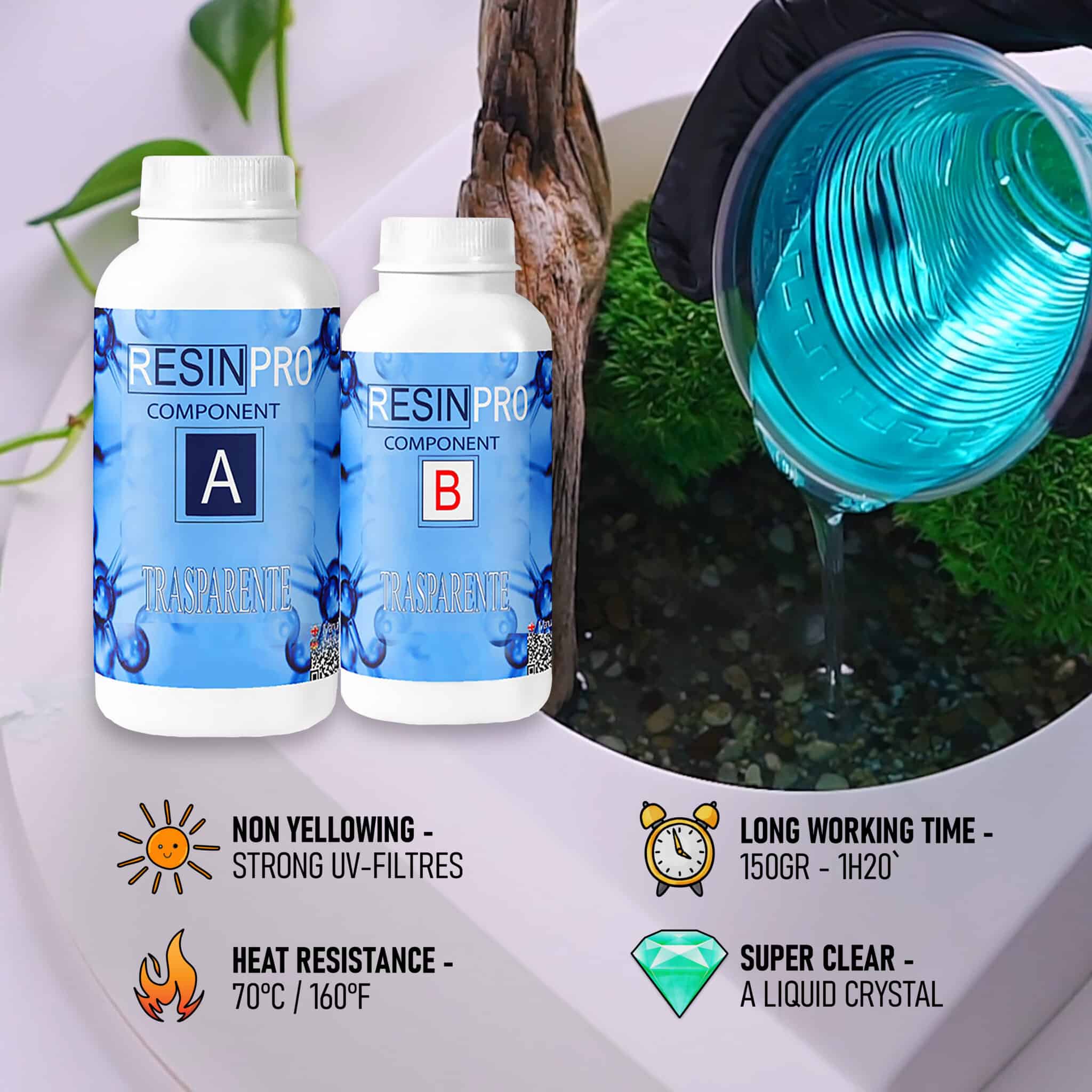
All clear resins may develop a yellow tint over time when exposed to sunlight, but modern synthetic resins often include a UV filter to slow this process. When embedding treasured images, select a resin specifically designed to limit yellowing, such as “Trasparente” Multipurpose Epoxy Resin, which incorporates built-in UV protection for extra peace of mind.
Practical Steps for Flawless Results
Once prints are thoroughly sealed, ensure your resin and workspace are dust-free and at the recommended temperature. Pour the resin slowly, avoiding bubbles, and aim to keep the embedded item completely covered. Let the piece cure undisturbed for best clarity. Shelf prints away from direct sun to protect them long-term, even with UV-filtered resin, and avoid excess heat.

When This Matters
These steps are especially important for memorial jewellery, keepsakes, or artwork where fading or ink migration would ruin the final piece. Take your time with preparation to ensure a clear, professional look that lasts.
Related products
Related guides
Embedding printed items in resin is a popular project across creative and commemorative applications. Taking simple precautions ensures your result truly stands the test of time—reflecting the unique properties and advantages of synthetic resins in craft and design. For more insights, visit our main guide on what synthetic resins are commonly called.