 Free shipping on orders over £29,85
  Shipping Tracking!


 Google
 Facebook
← Back to How to apply resin to a wooden boat?
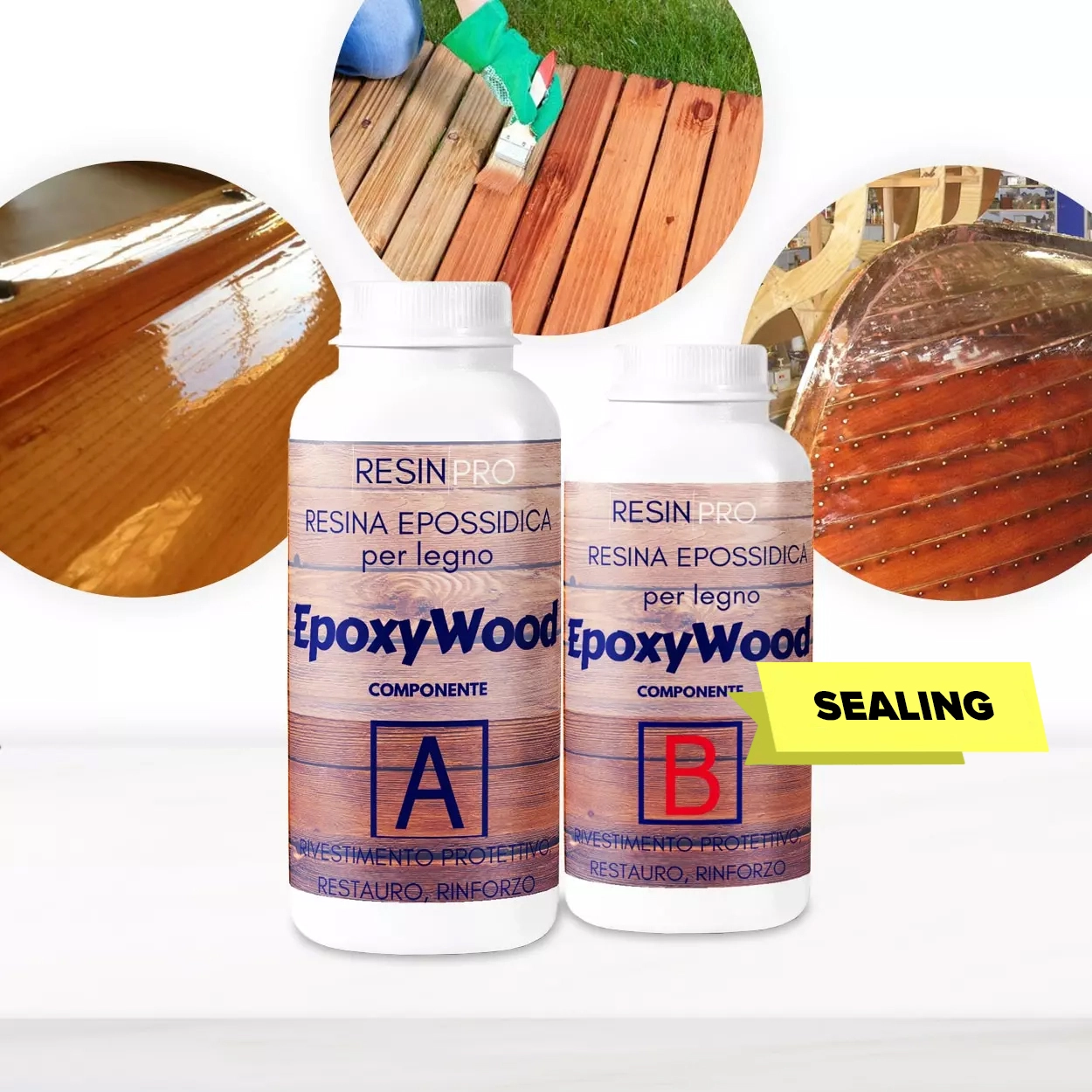
Working with resin to restore or protect a wooden boat can transform its durability and appearance. However, taking the right health and safety measures—especially proper ventilation and personal protection—can make the difference between a smooth, safe project and avoidable risks.
Why Ventilation Matters
No matter which epoxy system you use, adequate ventilation is essential when applying resin to your boat. Vapours from curing products can build up, particularly in closed or poorly ventilated spaces such as boat interiors or sheds. By keeping doors and windows open and, where possible, using fans to move fresh air through your workspace, you can reduce exposure to fumes and create a safer environment for the entire duration of your project.
Personal Protection Essentials
Personal safety gear is just as important as air flow. At a minimum, wear nitrile gloves to protect your skin from direct contact with resin or hardener, and safety goggles to shield your eyes from splashes. If you’re working in an area where ventilation is limited, consider a suitable respirator rated for organic vapours for added peace of mind. Protective clothing such as aprons and long sleeves can help keep resin off your skin and are especially useful during larger repairs or overhead work. Kits like the Resin Fibreglass Repair Kit often include gloves, but always ensure you have enough safety gear on hand.
How to Set Up a Safer Work Area
- Prepare your workspace outdoors when possible, or near open doors and windows.
- Keep a fan running to continuously move fresh air through the area.
- Organise tools and products so you don’t need to move through confined or cluttered spaces with resin on brushes or rollers.
- Have disposable wipes on hand for any spills or skin contact, and wash thoroughly after handling resins.
When This Matters Most
Ventilation and protective measures are especially crucial during extended projects, large pours, or boat hull repairs inside workshops. Taking time to set up protective equipment at the outset can help you avoid discomfort or complications both during and after the job.
Related products
Related guides
By prioritising ventilation and personal protection whenever you’re working with epoxy or polyester resins, you ensure a safer, more comfortable experience—while still achieving strong, lasting results on your wooden boat. Learn more about application methods and further restoration advice on our main how to apply resin to a wooden boat page.