 Free shipping on orders over £29,85
  Shipping Tracking!


 Google
 Facebook
← Back to How are epoxides obtained?
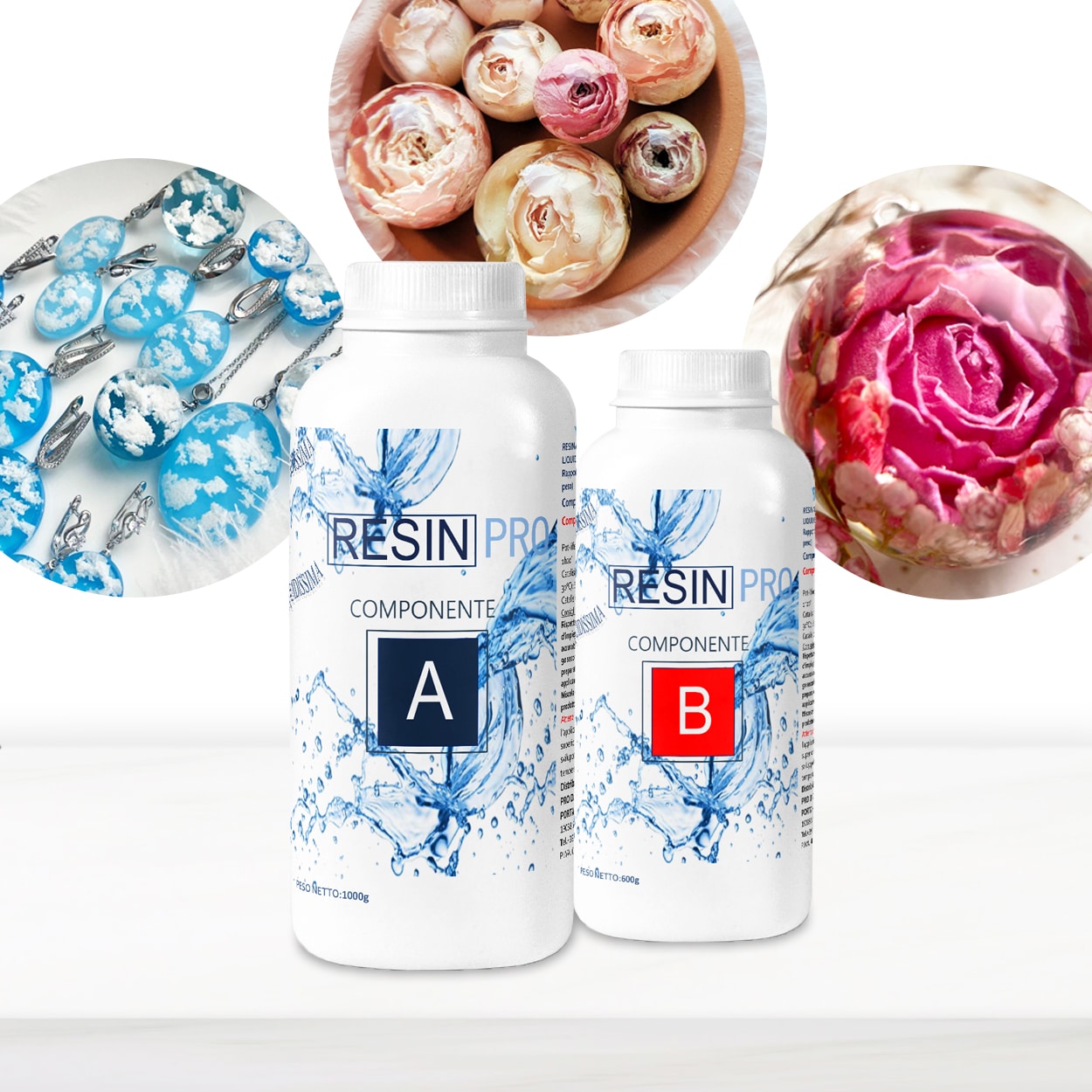
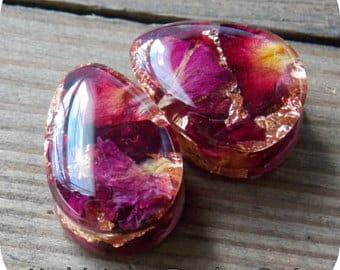
Epoxy resins have become a staple for both professionals and hobbyists thanks to their adaptability and high-quality results. But how well do these resins serve projects at every skill level? Let’s explore the versatility that makes them suitable for a range of crafting and construction applications.
Tailoring to Project Needs
Modern epoxy resins are formulated to suit everything from intricate jewellery making to demanding composite construction. Some products, such as Liquidissima, offer exceptional transparency and extended working times—ideal for artists, hobbyists, and professionals alike. Meanwhile, specialist resins for wood restoration or composite work provide other properties, such as deep material penetration or structural durability, meeting the specific requirements of carpenters and engineers.
Choosing the Right Epoxy Resin
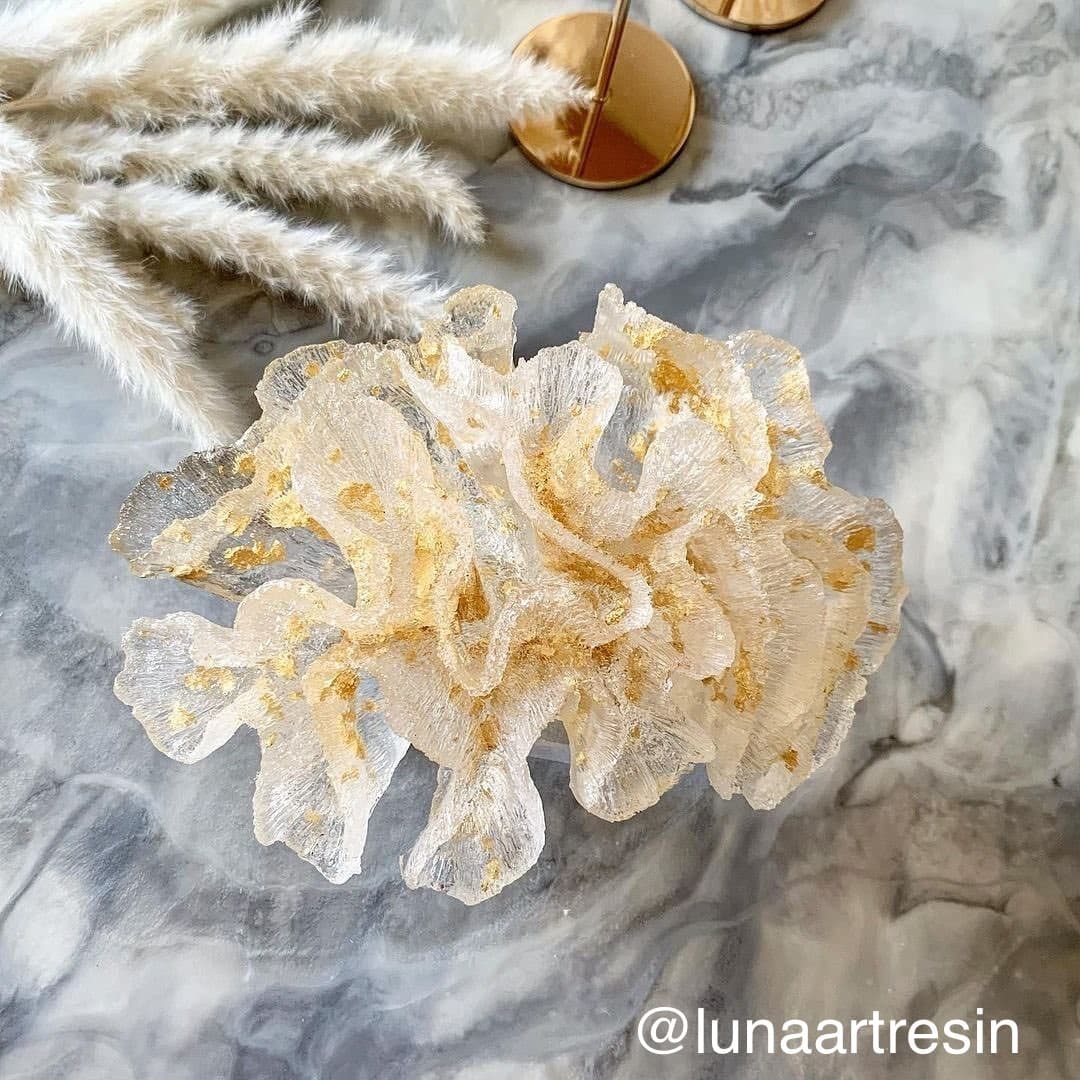
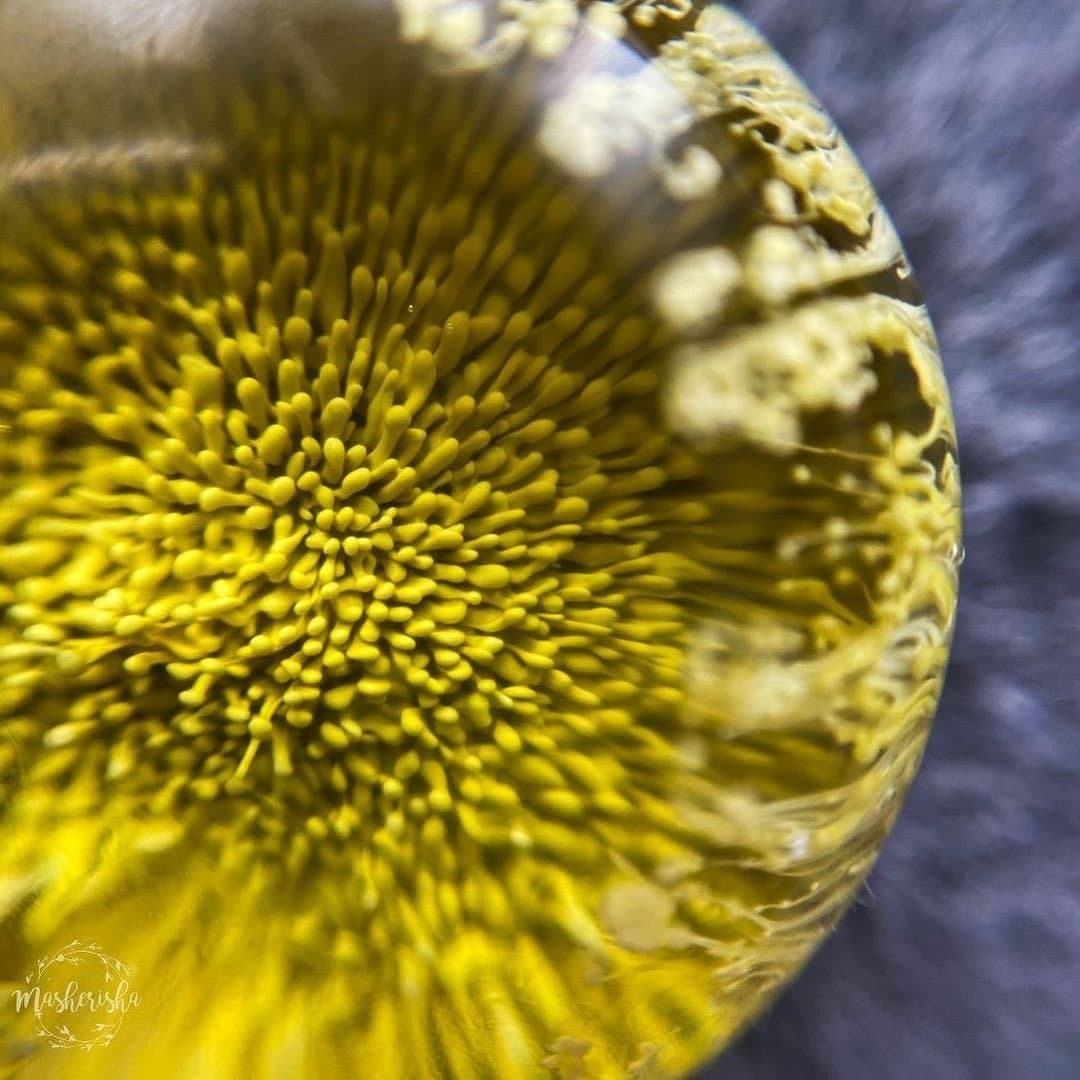
Selecting an epoxy resin starts with your intended project. If you’re designing elaborate moulded jewellery or resin art, opt for a low-viscosity formula with high clarity. For restoring timber or sealing surfaces, resins with strong penetration and waterproofing are key. Engineers and advanced makers working on composite projects benefit from resins designed to bond technical fabrics, ensuring strength and impact resistance. Checking product descriptions for properties such as working time and finish can help you match the right resin to the job.
When Versatility Matters
The need for an adaptable epoxy resin arises in settings where project scope varies—whether you’re a professional aiming for efficiency or a DIY crafter seeking a crisp, clear finish with extra working time. Artists who require time for detail or individuals working on repairs and builds find epoxy’s versatility invaluable.

Related products
Related guides
Whether you’re taking on creative, restorative, or technical projects, epoxy resins offer accessible solutions for users at every experience level. For more on how epoxides are developed for such diverse uses, visit our main guide on how epoxides are obtained.