 Free shipping on orders over £29,85
  Shipping Tracking!


 Google
 Facebook
← Back to What are the components of resin flooring?
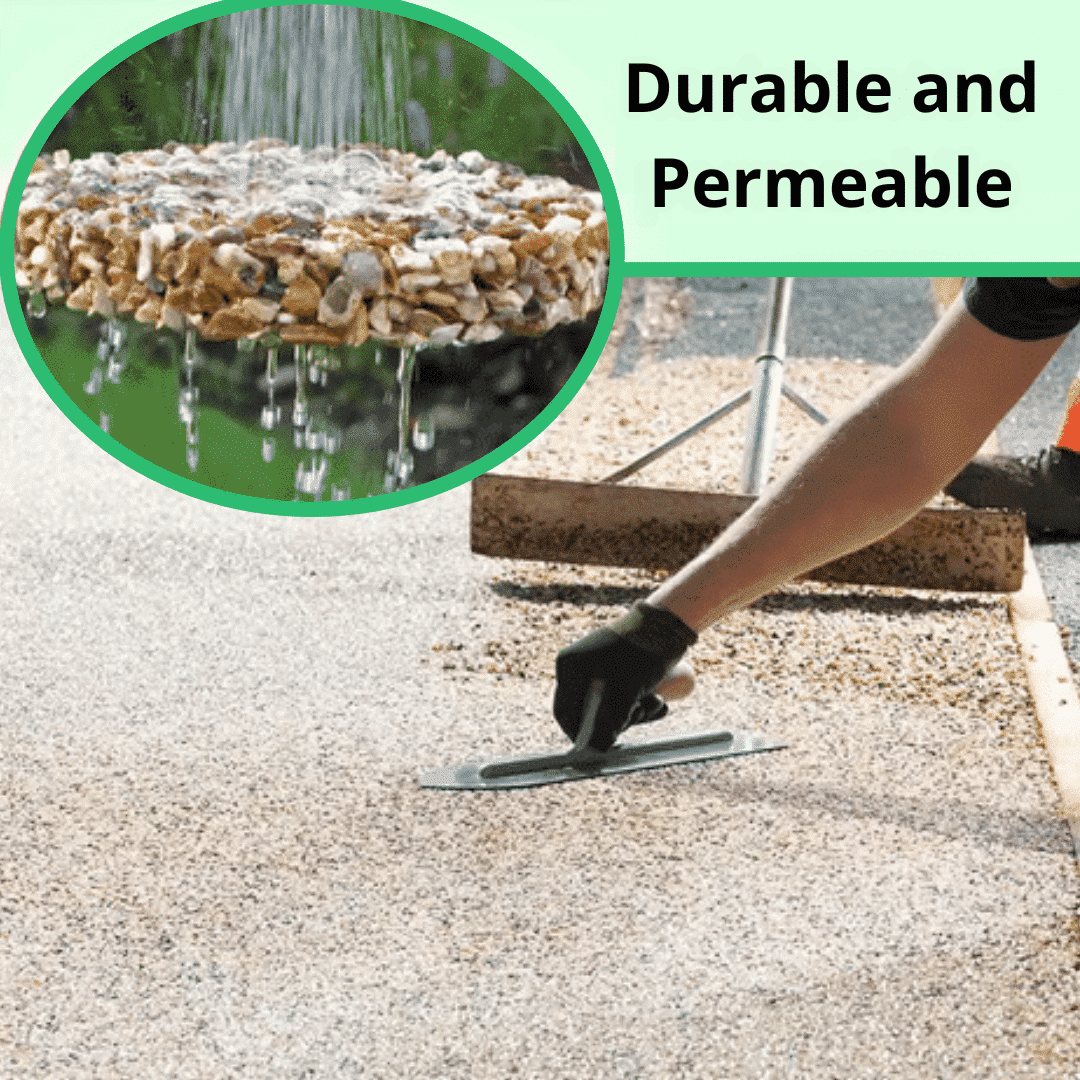
Sunlight exposure can lead to yellowing of epoxy binders used in outdoor resin flooring, affecting the long-term appearance of your project. Understanding how UV protection works is key for choosing the right system and maintaining crisp, vibrant results outdoors.
What Causes Yellowing and How Epoxy Binders Respond
Epoxy binders, when exposed to sunlight, can gradually discolour due to the effects of ultraviolet (UV) rays. Quality epoxy systems designed for outdoor use incorporate UV stabilisers and are often formulated with specific hardeners, such as cycloaliphatic amines, which help minimise yellowing. This makes them suitable for maintaining a clear finish on pebble and aggregate surfaces over time.
Practical Guidance for Choosing the Right Binder
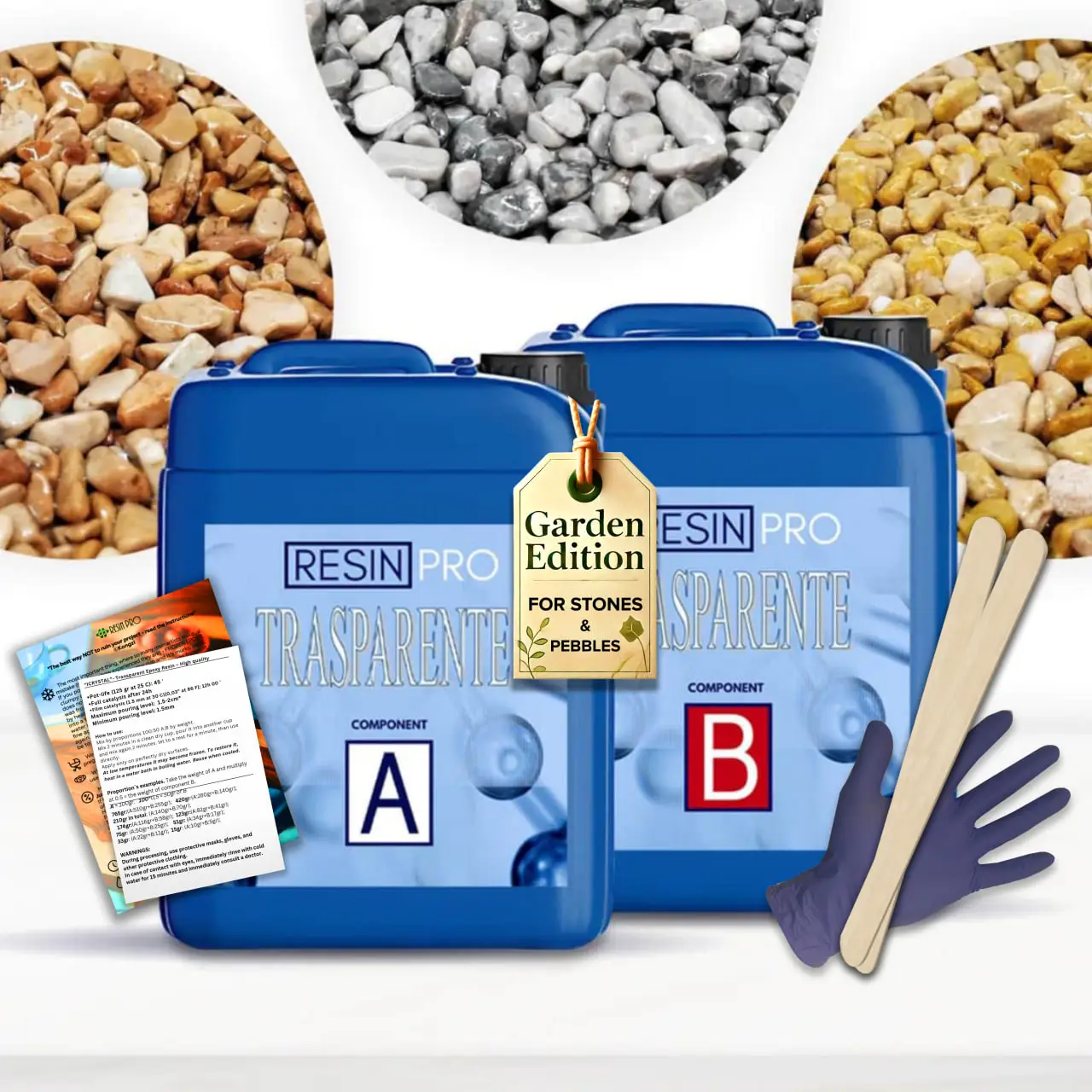
When selecting an epoxy binder for outdoor projects, look for clear products described as UV-resistant or non-yellowing, such as the “Trasparente” – Epoxy Binder for Coloured Pebbles and Grits. For areas using white or very light aggregate, consider polyurethane binders, which offer higher resistance to yellowing. For warm or dark-coloured pebbles, a transparent and UV-stable epoxy will usually keep your installation bright and attractive for longer. Always follow the manufacturer’s instructions for mixing, application, and curing to ensure optimal results.
When UV Protection Matters Most
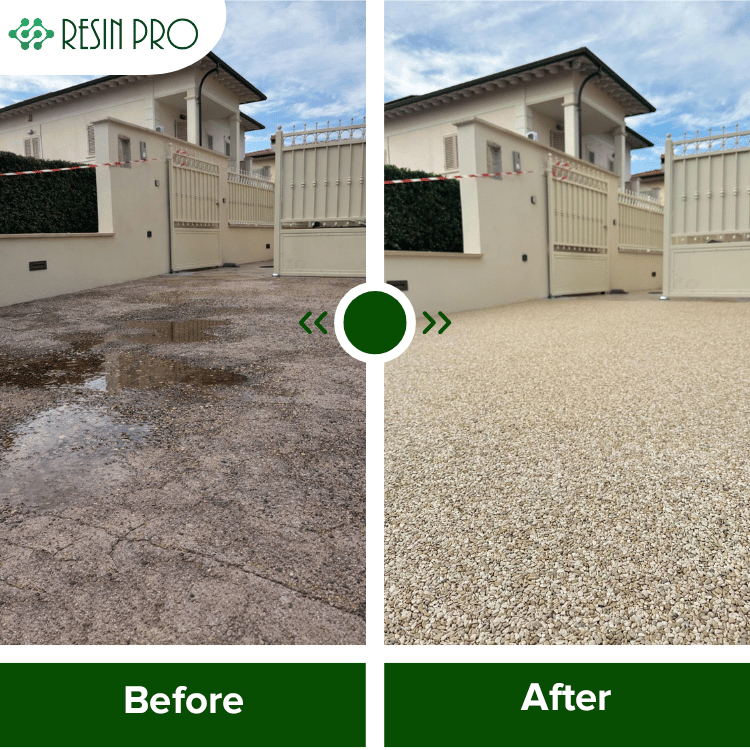
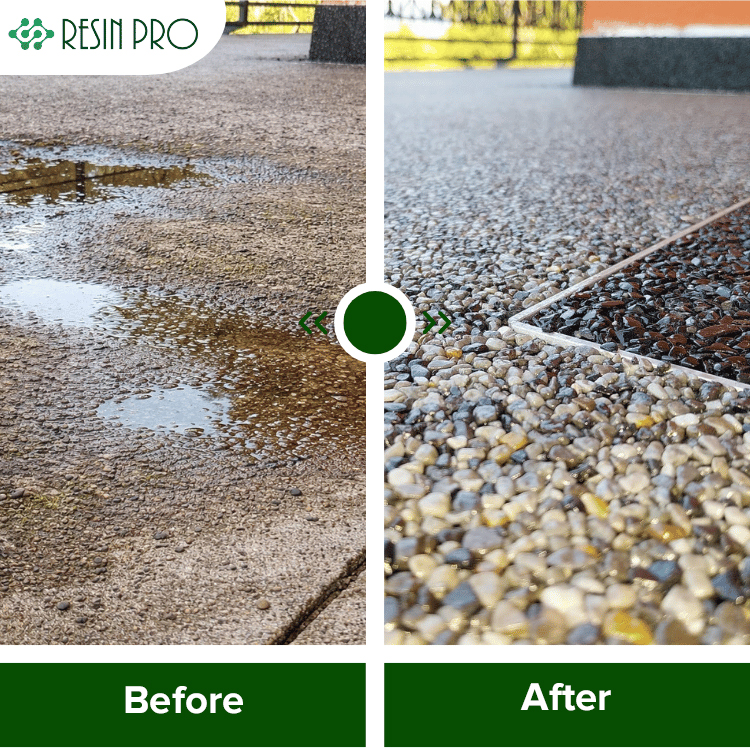
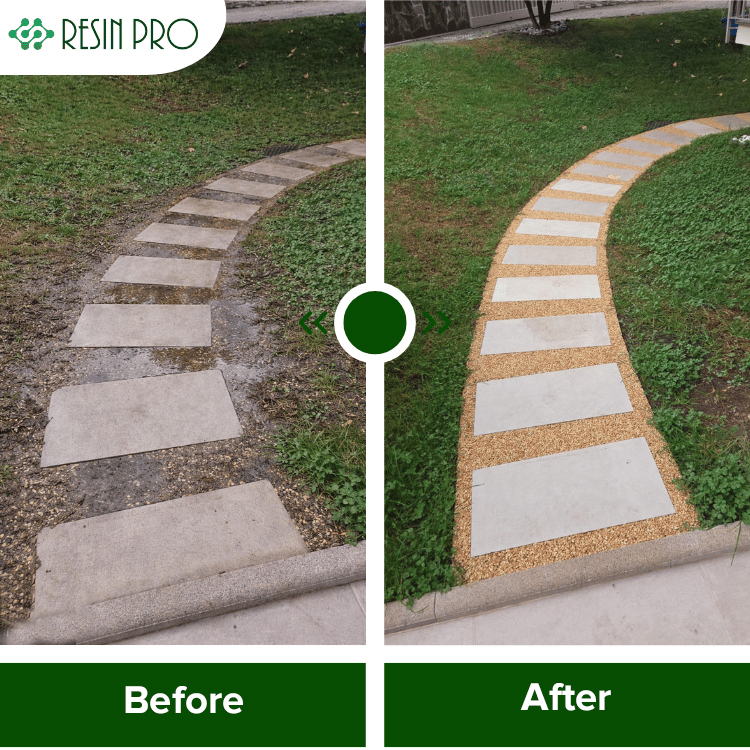
- Outdoor driveways, paths, patios, and permeable floors exposed to full sun.
- Installations where long-lasting visual clarity and colour vibrancy are important.
- DIY and professional resin projects seeking low maintenance and durable finishes.
Related products
Related guides
Choosing UV-stable epoxy binders helps preserve the fresh look of your resin flooring—an essential component when planning attractive and resilient outdoor surfaces. For more details on resin floor construction and what materials are best for your project, visit our main guide on the components of resin flooring.