 Free shipping on orders over £29,85
  Shipping Tracking!


 Google
 Facebook
← Back to What is epoxy paint used for?
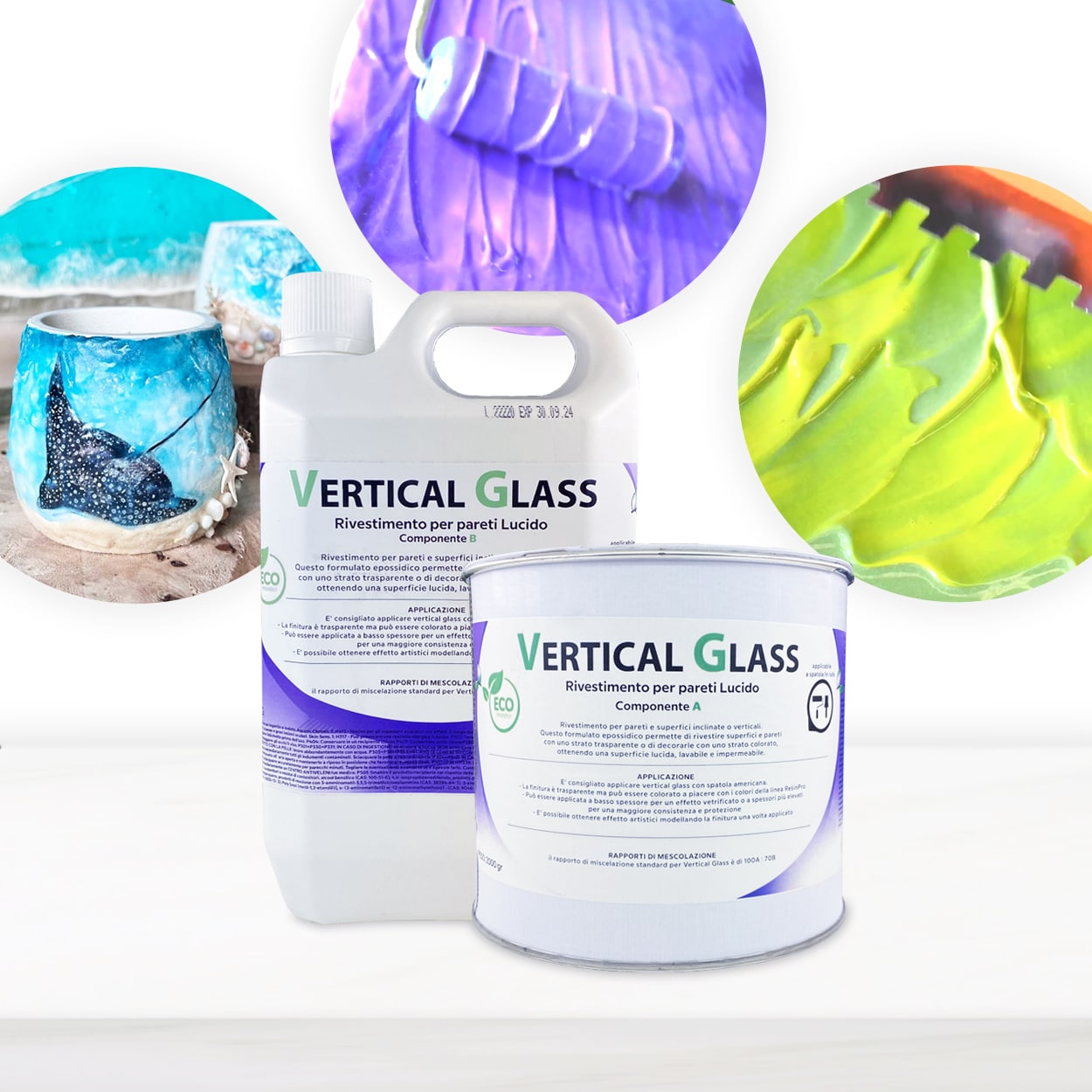
Epoxy paint isn’t just for floors—it can dramatically enhance interior walls as well. Its ability to create gloss, depth, and custom designs opens fresh possibilities for stylish, durable feature walls in homes or commercial spaces.
How Epoxy Paint Creates Decorative Effects on Walls
Specialty epoxy coatings, such as Vertical Glass, are formulated to grip vertical and even sloping surfaces. These products give your walls a seamless, glossy finish that’s also easy to clean and highly resistant to water. Design options are virtually limitless — from subtle metallic tints and vivid pigments to textured looks and geometric inlays.
- Apply thinly for a vitrified, glass-like appearance
- Apply thicker for a bold, protective feature wall
- Can be lightly sanded after curing for a satin effect
Tips for Application and Surface Preparation
Success with epoxy wall coatings largely depends on good preparation. Begin by ensuring your wall surface is clean, dry, and stable. Porous materials—like brick, plaster, cement, or tiles—benefit from a water-based primer, such as Epoxyprimer, which improves adhesion and prevents uneven absorption. Always follow the manufacturer’s guidelines for mixing and curing times, and work in a well-ventilated area using appropriate safety gear.
When Decorative Epoxy Walls Matter
Epoxy wall coatings are particularly valuable in bathrooms, kitchens, or high-traffic commercial interiors where durability and easy cleaning are priorities. They also suit statement features in lounges or reception areas, offering a contemporary touch that resists moisture and daily wear.
Related products
Related guides
If you’re looking to move beyond ordinary paint and want durable, creative wall finishes, epoxy solutions offer both style and protection. For further tips and inspiration, see our main guide on what epoxy paint is used for.