 Free shipping on orders over £29,85
  Shipping Tracking!


 Google
 Facebook
← Back to How to remove epoxy floor?
Epoxy floors are known for their resilience, but if you’re planning an update, you may wonder whether removing them is something you can tackle yourself. Let’s unpack the DIY approach to epoxy floor removal.
What Makes Epoxy Floor Removal DIY-Friendly?
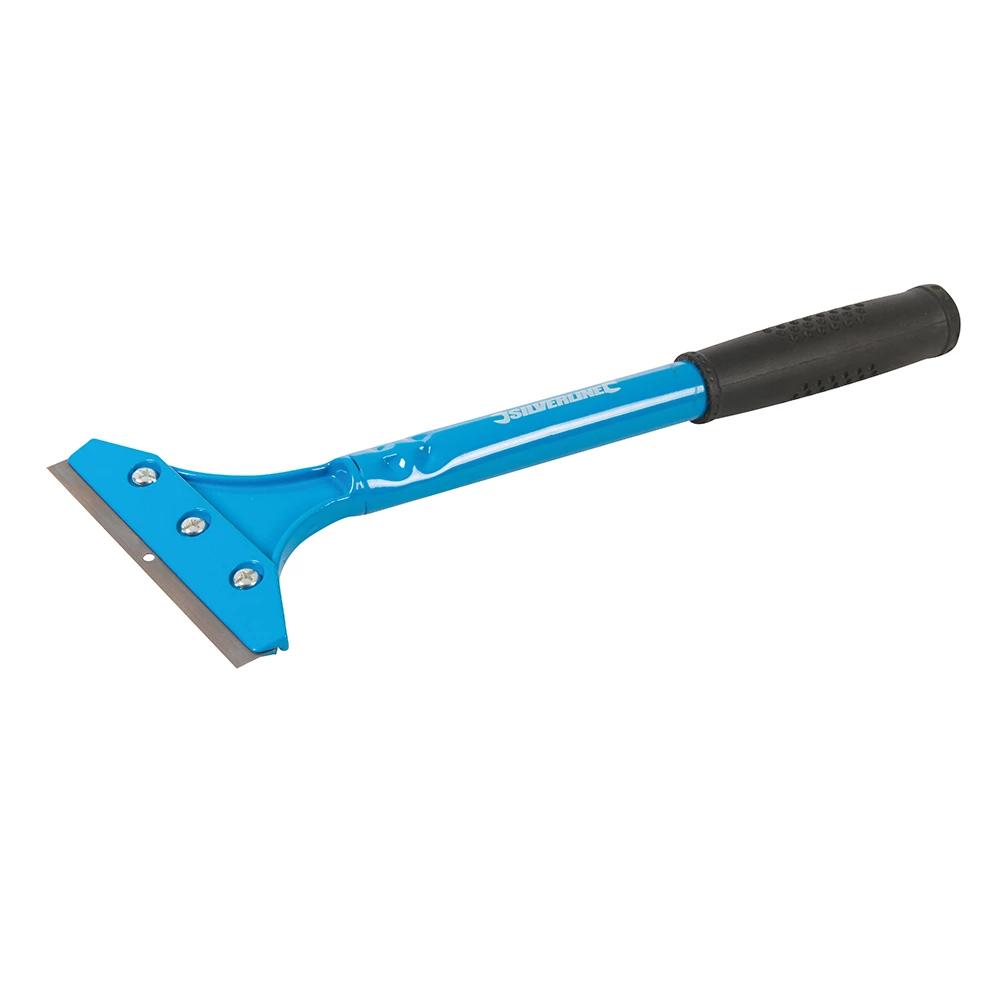
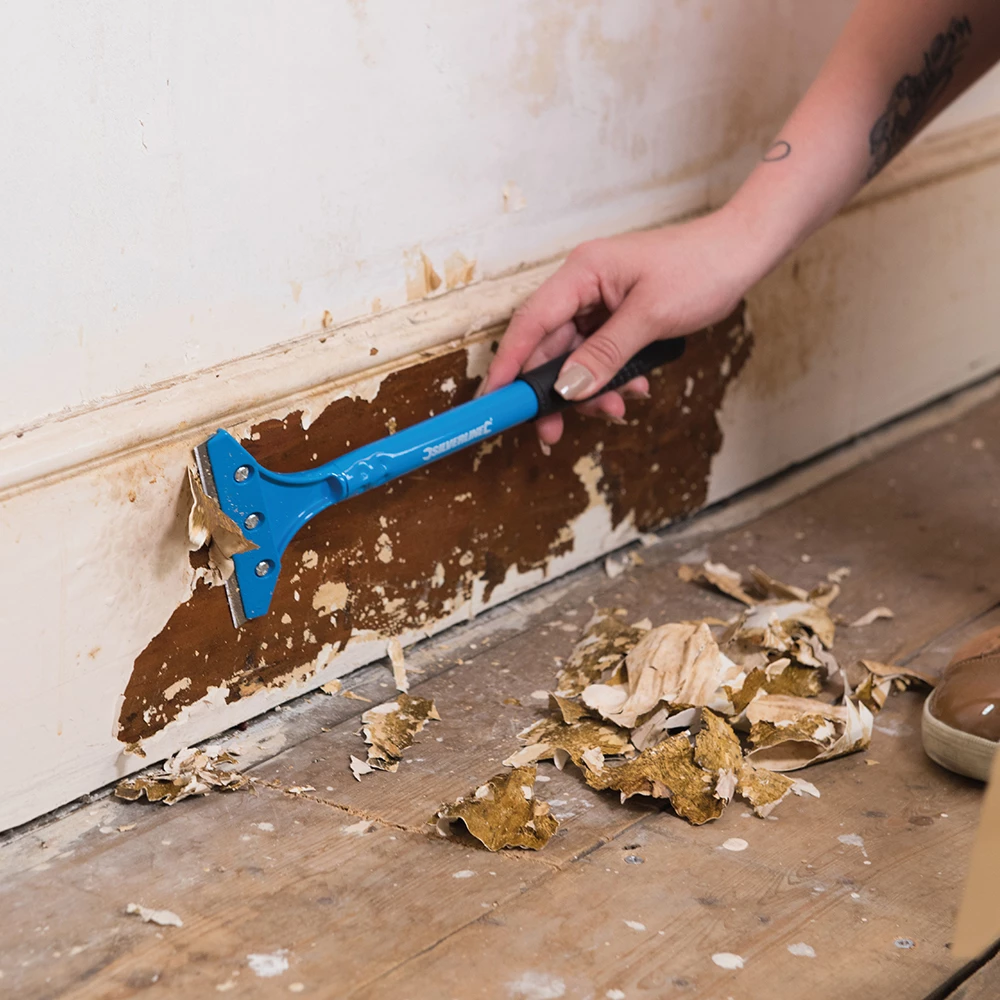
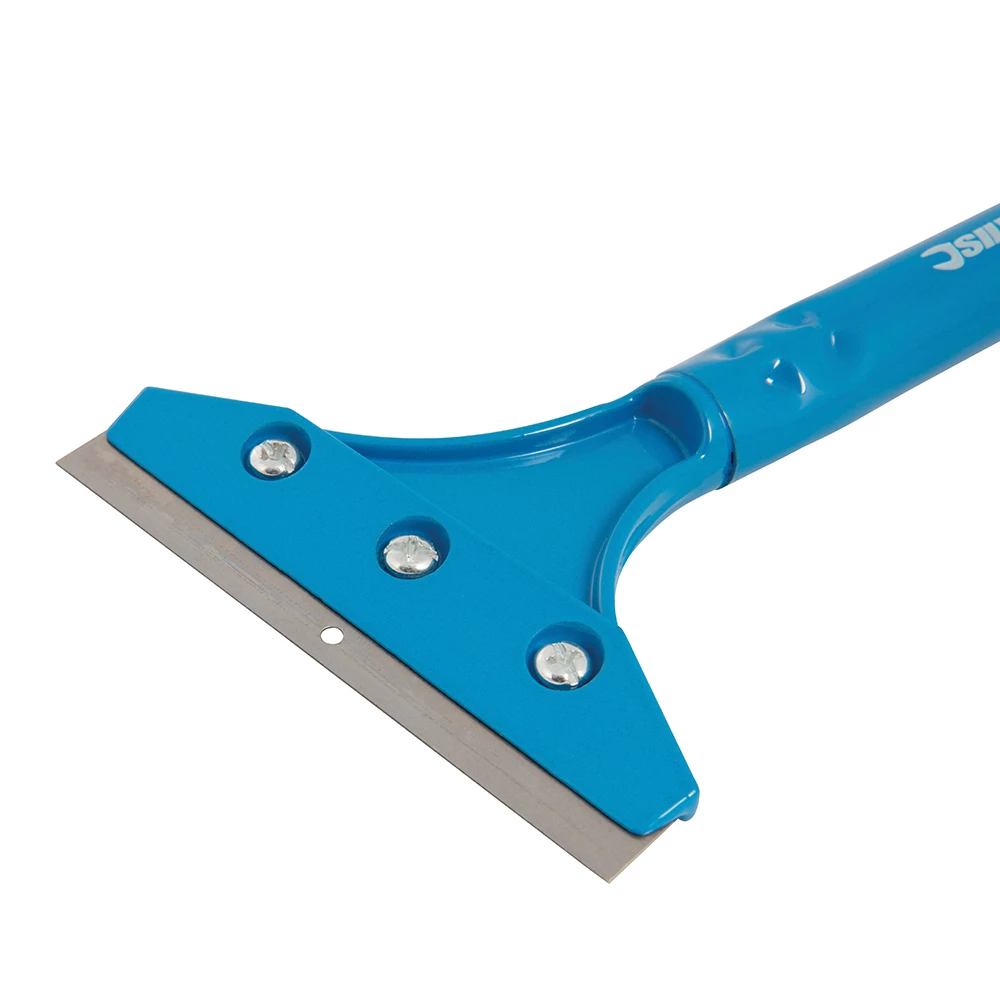
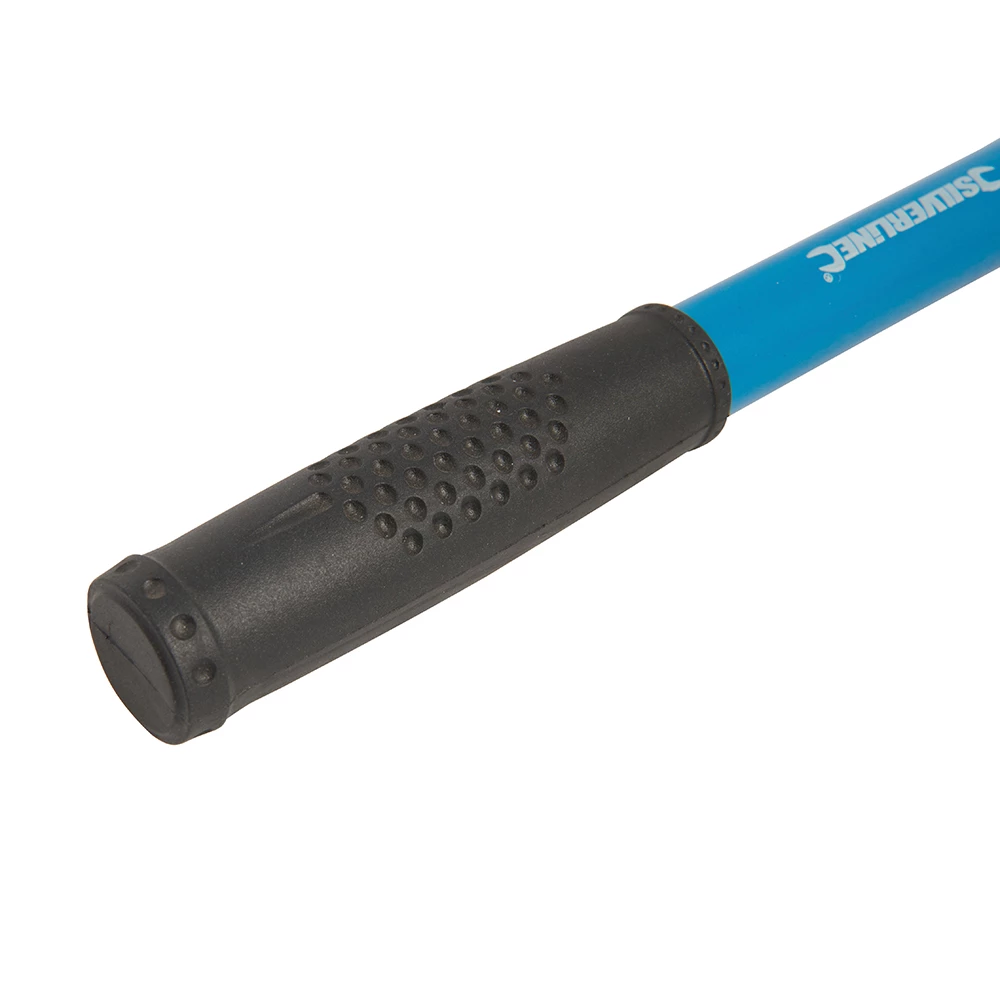
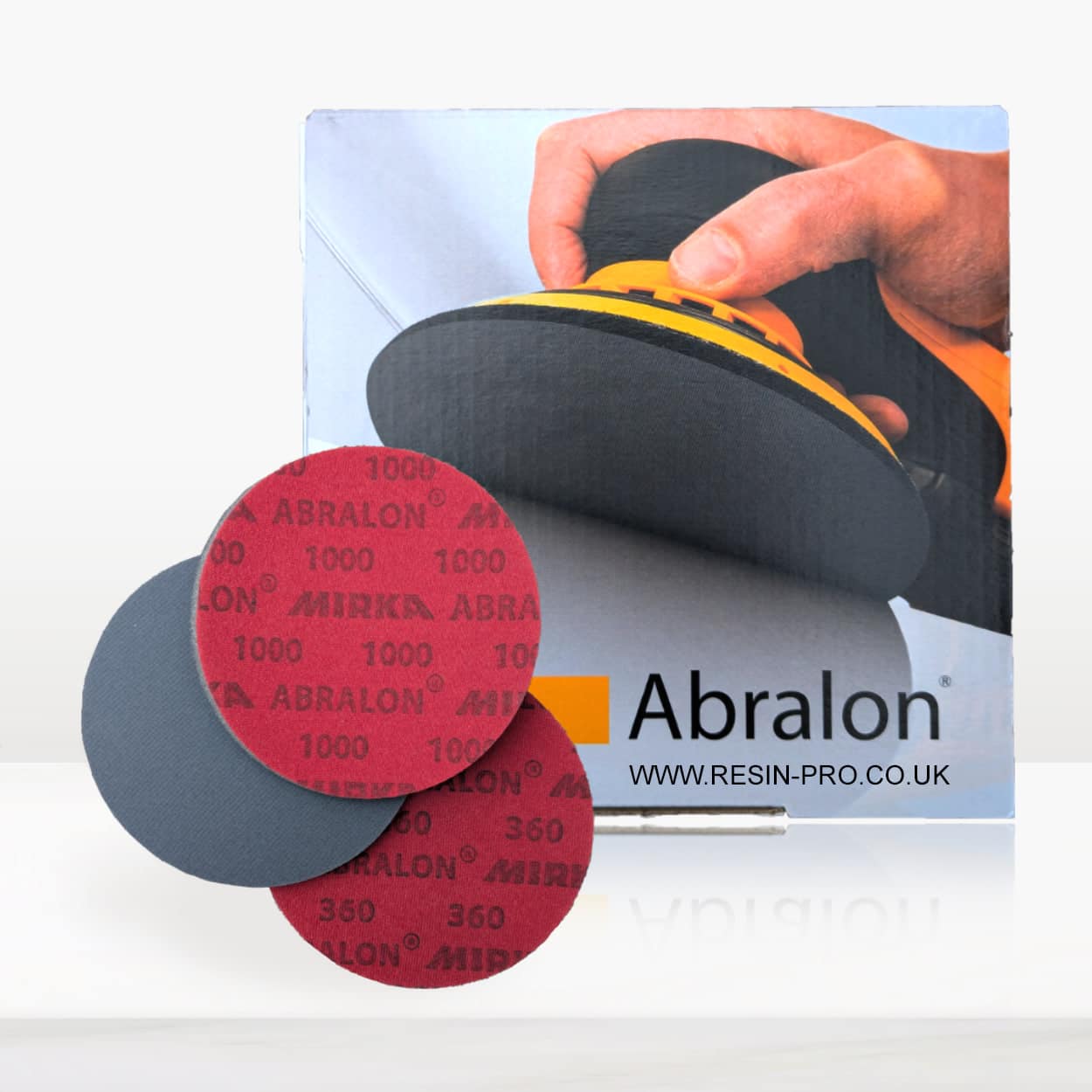
The good news is that epoxy floor removal doesn’t always require specialist intervention. With the right tools and a steady hand, most homeowners can remove old epoxy coatings. A high-quality scraper designed for resin removal, such as the Heavy Duty Scraper for Paint and Epoxy Resin Removal, is an excellent starting point. For large areas or particularly stubborn coatings, you may also need sanding equipment to finish the job smoothly. Protective eyewear and gloves are essential to guard against sharp fragments and dust.
Effective Removal Techniques
Begin by assessing the thickness and condition of your epoxy floor. Start scraping at an edge, using firm yet controlled pressure, and work in sections. For any adhesive spots or resistant patches, continue with a sharp blade, keeping the scraper at a comfortable angle. Where hand scraping leaves a rough surface, a sanding tool helps remove residual epoxy and evens out imperfections. Always ventilate your work area well to help minimise dust build-up.
When DIY Removal Matters
DIY epoxy floor removal is a great choice for renovation projects where you want to update or refresh your space without the expense of professional contractors. It’s particularly useful if you’re comfortable with manual tasks and have a manageable area to clear. However, if your floor covers a very large space or you have structural concerns, you might still want advice from a specialist.
Related products
Related guides
Tackling epoxy floor removal yourself can be straightforward with the correct approach and equipment. If you’d like more comprehensive guidance, see our main resource on how to remove epoxy floor for detailed steps and safety tips.