 Free shipping on orders over £29,85
  Shipping Tracking!


 Google
 Facebook
← Back to Where to Buy Chieri Resin?
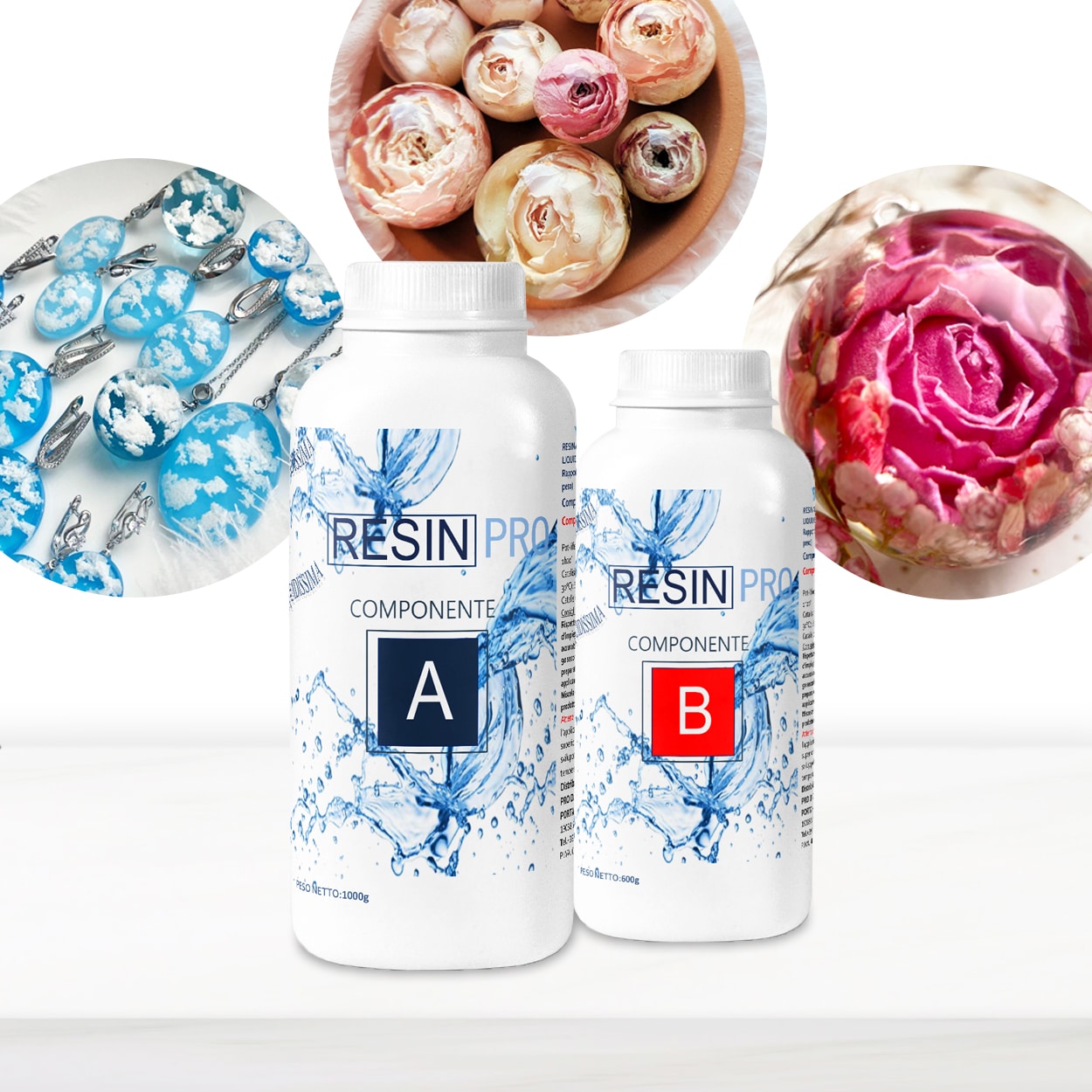
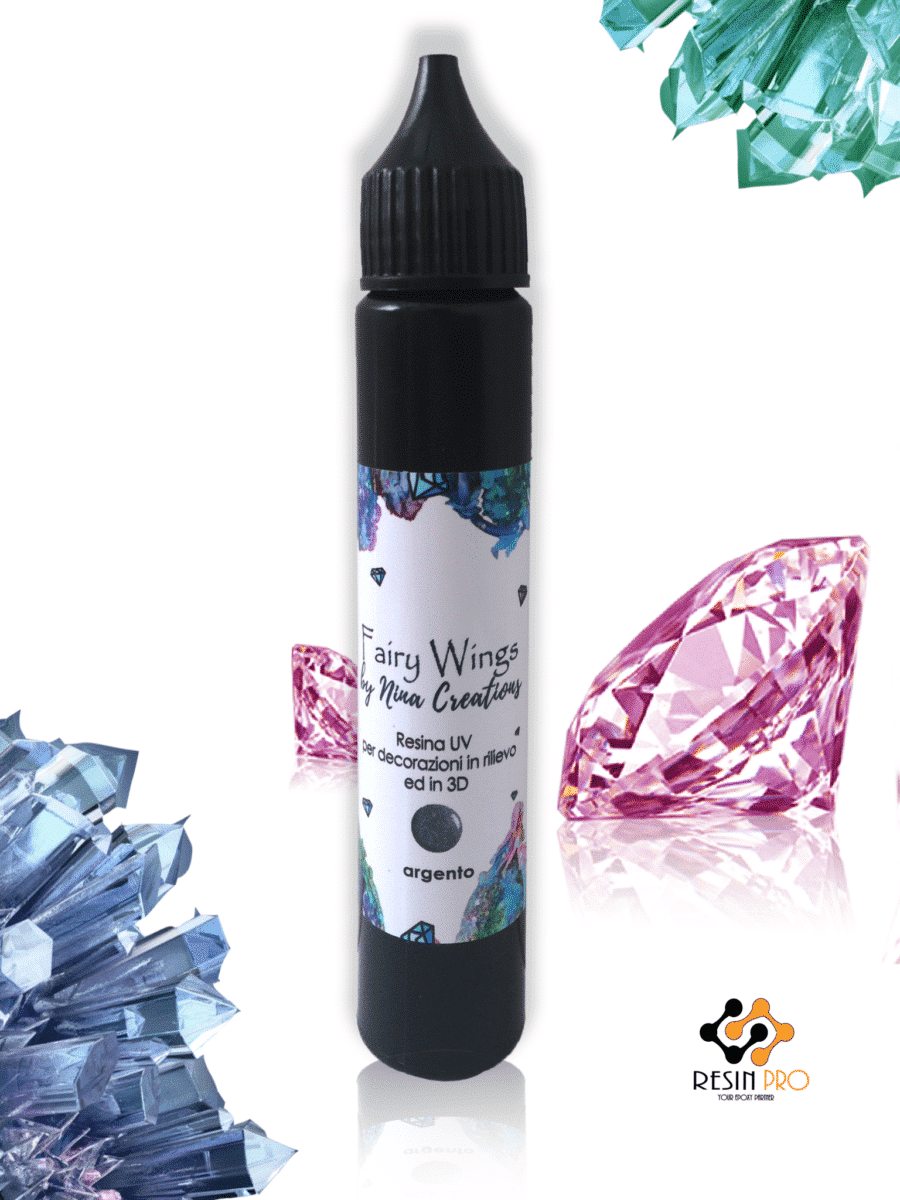
If you’re delving into handmade jewellery, understanding the strengths of both epoxy resin and UV resin will help you achieve the creative effects you want. Each resin offers unique advantages depending on your style, setup, and project needs.
How Do Epoxy and UV Resin Work?
Epoxy resin is a two-part system that starts curing once the resin and hardener are mixed. It offers a longer working time, giving you more freedom to experiment with inlays, colours, and embedding objects. Curing typically takes several hours. UV resin, on the other hand, is a ready-to-use single-component formula that solidifies in minutes under a UV lamp. This makes it ideal for quick projects and delicate, layered effects.

Choosing the Right Resin for Your Jewellery
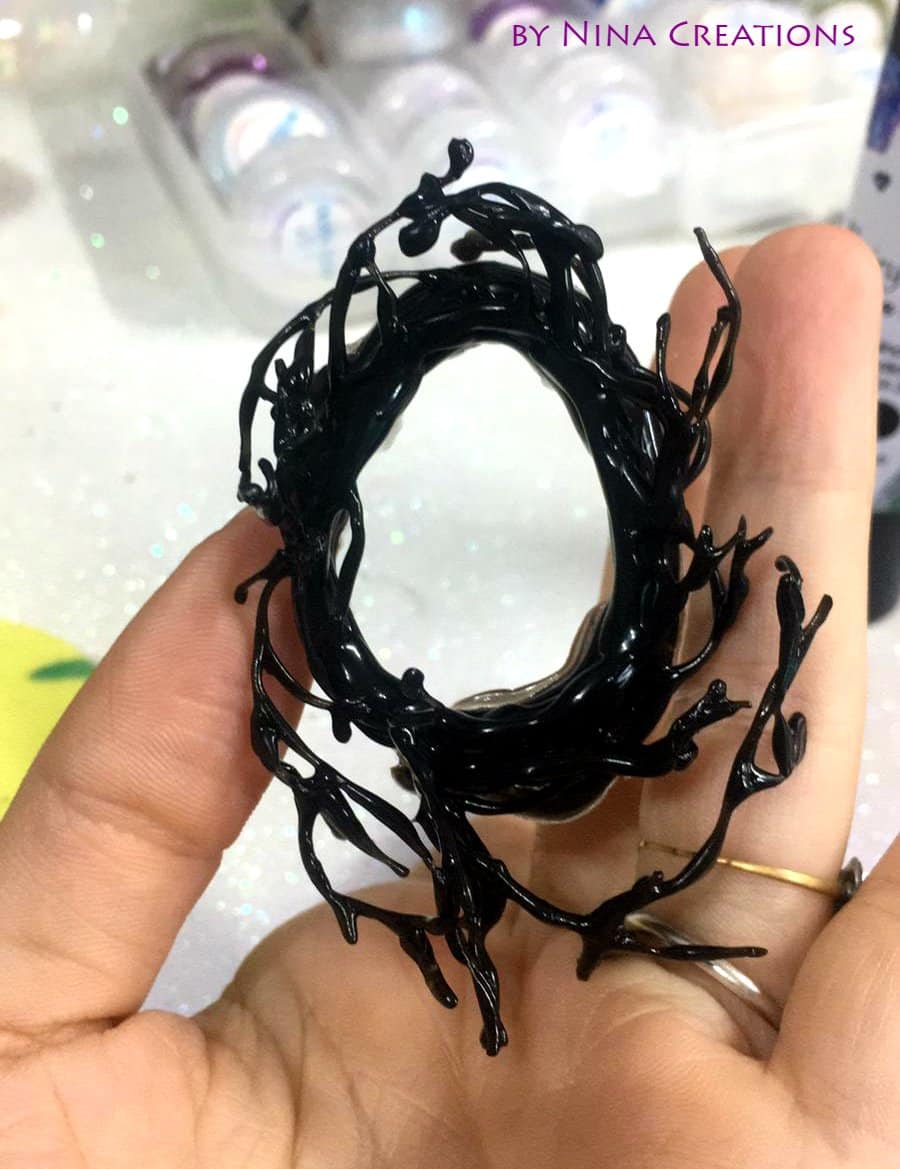
For detailed pieces with raised patterns or if you’re working on polymer clay, a UV resin such as “Fairy Wings” UV Resin is perfect for rapid setting and fine artistry. Epoxy resin, such as the comprehensive Evershine Collection Kit or the crystal-clear Liquidissima, is well suited for intricate castings, transparent finishes, and projects where additional time for adjustment is desirable.
When Does the Resin Type Matter Most?
- UV resin is a go-to for fast prototyping, small batch earrings, and 3D decorative effects.
- Epoxy resin excels when you require a glass-like, bubble-free finish or wish to create multiple pieces from one batch. It also allows embedding larger inclusions or layering different colours.

Related products
Related guides
Whether you prefer the quick results of UV resin or the versatility of epoxy, understanding these differences will help you choose the right material for your next jewellery project. For more advice on selecting quality resins, visit our main Chieri resin guide.