 Free shipping on orders over £29,85
  Shipping Tracking!


 Google
 Facebook
← Back to When does Yaoo resin cross-link?
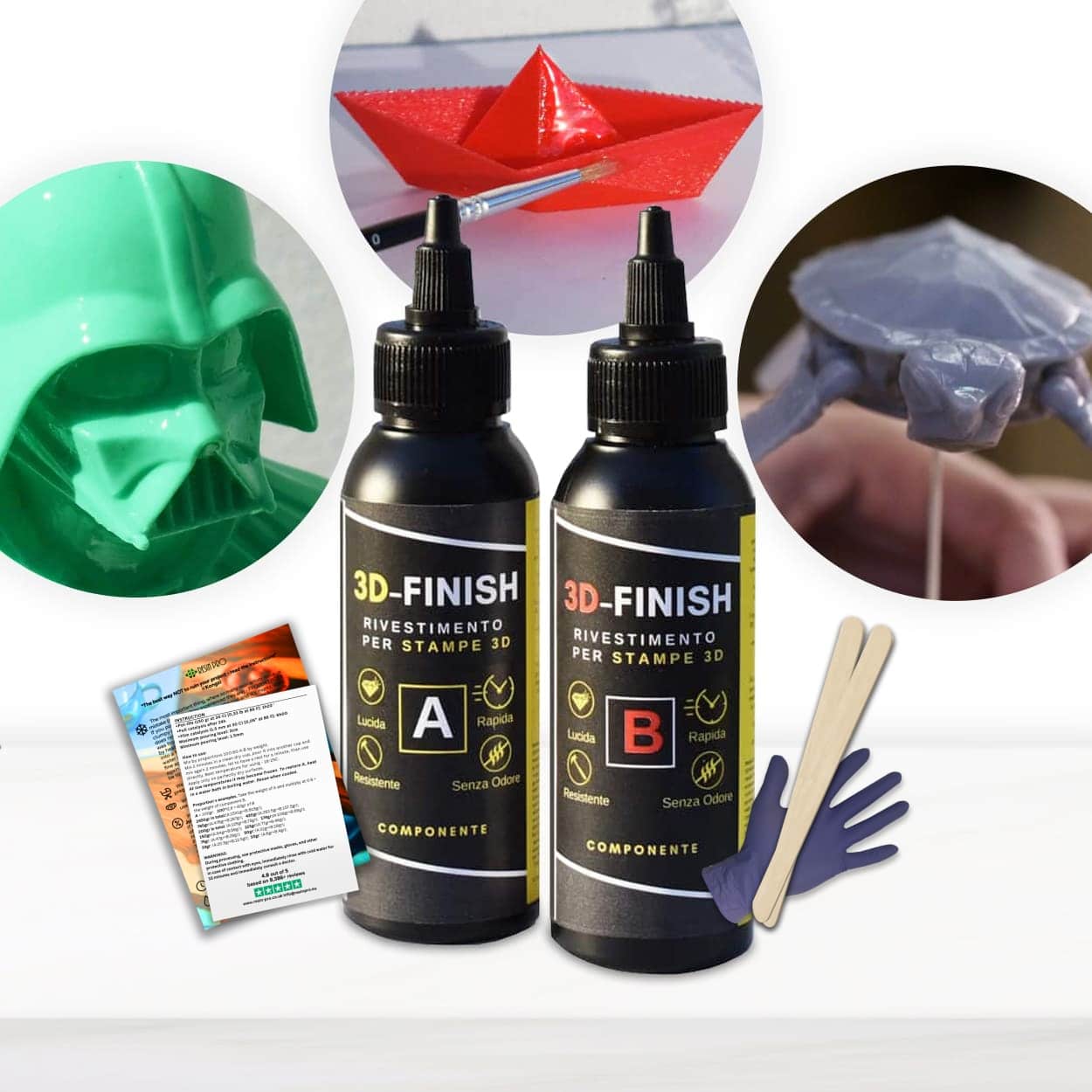
Achieving reliable adhesion between resins and popular 3D printing plastics like PLA, ABS, or LAYWOOD is essential for finishing, reinforcing, or repairing your 3D prints. The right combination of resin and surface preparation ensures durable and visually appealing results.
How Resin Binds to 3D Printed Surfaces
Adhesion is influenced both by the resin formula and the type of plastic used in your 3D print. Epoxy resins, such as 3D Finish Fast Coating Epoxy Resin, are formulated to bond strongly to standard 3D printing materials, including PLA, ABS, and LAYWOOD. Their consistency enables them to penetrate minor surface irregularities and form a mechanical and chemical bond, which is enhanced when surfaces are clean and lightly abraded before application.


Tips for Achieving Exceptional Bond Strength
- Surface Preparation: Remove any dust or grease from prints and consider gently sanding with fine paper for better grip.
- Mix and Apply Promptly: For two-part resins, carefully follow the recommended ratio and stir thoroughly to ensure an even cure and maximum adhesion.
- Temperature Matters: Apply resins in a temperature-controlled environment (typically around 20°C) to optimise curing and bonding strength.
For effective coat-and-cure cycles, use products designed for 3D printing applications like 3D Finish, which offers both quick curing and a non-drip finish to preserve intricate detail.
When This Matters Most
Outstanding adhesion is vital when you want to:
- Strengthen fragile prints and reinforce joints
- Build a smooth, paintable, or glossy finish
- Repair broken or stressed areas quickly

Related products
Related guides
Understanding how to achieve optimal adhesion between resin and 3D print materials is the key to long-lasting, professional-looking results. For more details about resin behaviour and timing, explore our main guide on when resins cross-link.