 Free shipping on orders over £29,85
  Shipping Tracking!


 Google
 Facebook
← Back to How to repair a hole in a resin jerry can?


Deciding between fibreglass putty and a full repair kit is crucial when tackling larger holes in a resin jerry can. Both methods offer different levels of strength and durability, depending on the scale and purpose of your repair.
When to Use Fibreglass Putty
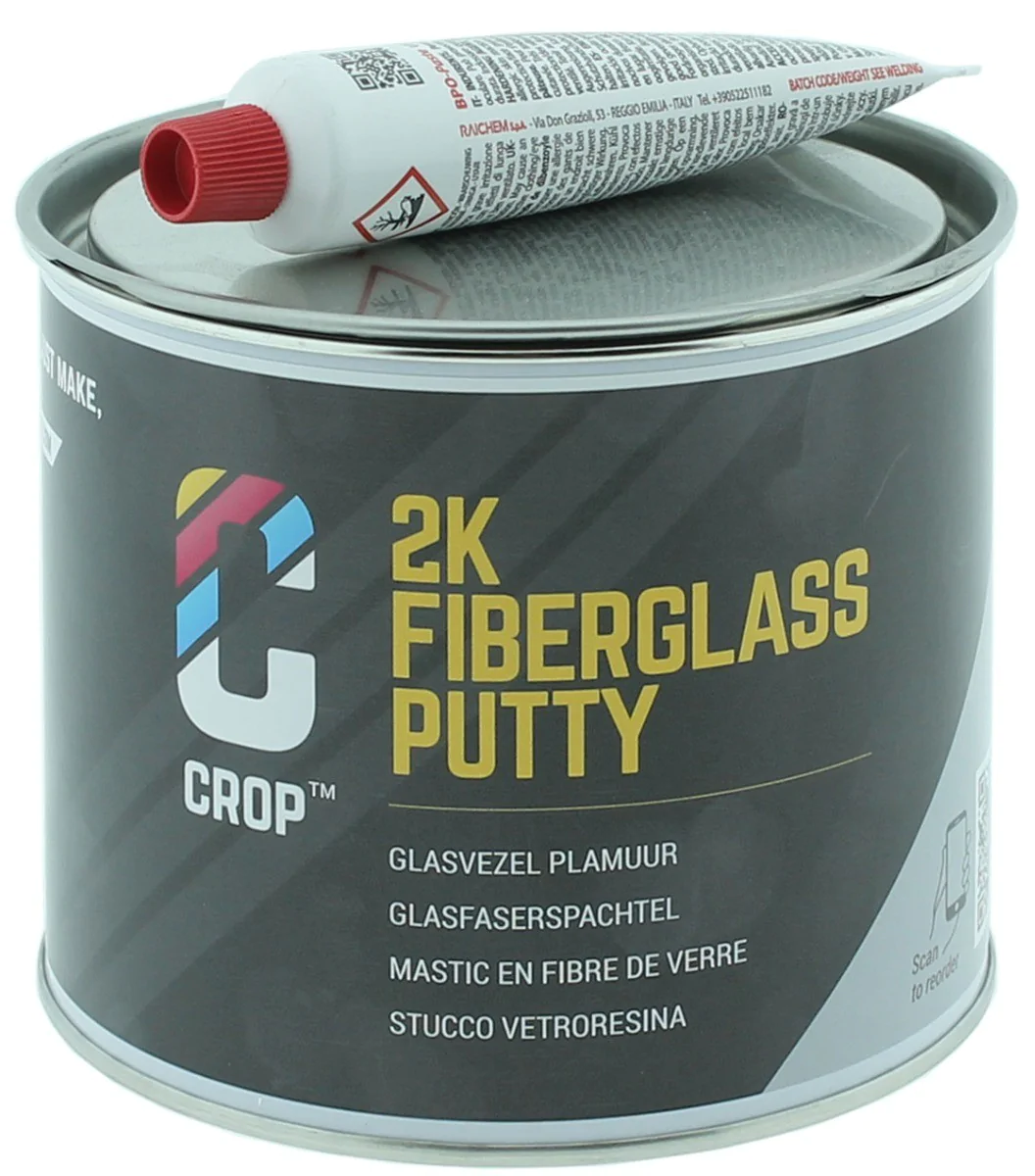
Fibreglass-reinforced putty, such as the CROP 2K Fiberglass Putty, is ideal for filling moderate to sizeable holes and dents without complex structural needs. Its thick consistency allows for application in layers, ensuring strength where deeper repairs are needed, particularly on rigid plastics like jerry cans. Once cured, it is easy to sand for a smooth finish, making it ready for further priming and painting.


When to Choose a Complete Repair Kit
For holes that are wider, cause leaks, or compromise the structural integrity of your jerry can, a full fibreglass repair kit offers greater reinforcement. Kits like the Resin Fibreglass Repair Kit include layers of fibreglass matting combined with resin and hardener, forming a robust, waterproof patch. This method is suitable for emergency repairs or when maximum durability and resistance to moisture are required.
Practical Steps and Finishing Tips
- Clean and dry the repair area thoroughly before beginning.
- For best adhesion, lightly sand the surface using products like 150mm Sanding Paper Discs before applying putty or laying fibreglass matting.
- Follow curing times closely, and always sand and finish the repair for a professional, watertight result.
When This Matters Most
If your resin jerry can is subject to handling, pressure, or exposure to water, using a complete fibreglass repair kit is generally recommended for lasting confidence in your repair.
Related products
Related guides
Choosing between fibreglass putty and a full repair kit depends on the hole’s size and how the jerry can will be used. For even more detailed advice and repair options, return to our main guide on how to repair a hole in a resin jerry can.