 Free shipping on orders over £29,85
  Shipping Tracking!


 Google
 Facebook
← Back to How do you apply resin to a surface with holes?
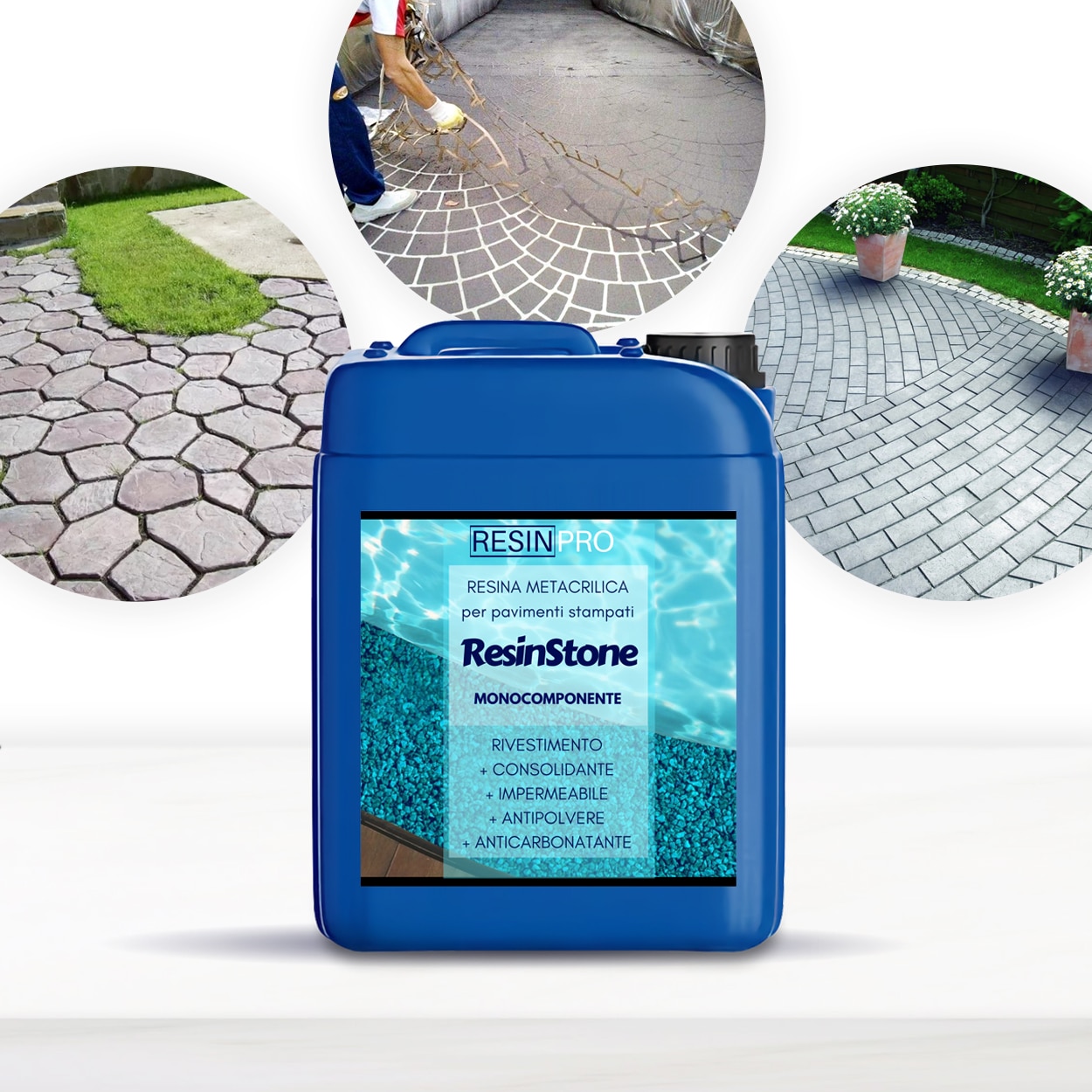
Holes and pores in concrete are common, especially in high-traffic areas or older surfaces. Using resin is a practical way to achieve a lasting, professional repair and to ensure the surface is effectively sealed.
Choosing the Right Resin for Concrete Repairs
For best results, a penetrating methacrylic resin is recommended, as it seeps into the concrete’s pores and seals holes below the surface. Products like Resinstone are specifically formulated for such repairs, providing durable, waterproof protection without trapping moisture.
Surface Preparation and Application Steps
- Clean thoroughly: Remove dust, debris, or any loose material from the area around the hole. If needed, use a stiff brush or a mild detergent solution and allow the area to dry completely.
- Prime if required: Some repair resins perform best with a primer coat. Check the product guidance.
- Layering resin: Begin by adding resin into the hole, ensuring it penetrates deeply. Apply in thin layers, allowing each to soak in before adding more. For deeper or wider holes, repeat this process until the hole is filled slightly above surface level, then smooth neatly with a trowel or spatula.
- Allow to cure: Ensure full curing time as recommended—some resins dry within hours, but always check product specifics before exposing to use or the elements.
When this Matters Most
Filling holes in concrete using resin is especially effective in settings like garages, driveways, and outdoor paths where durability and moisture resistance are vital. Professional sealing can help prevent water ingress and further deterioration over time.
Related products
Related guides
Taking a careful, stepwise approach to resin repair ensures a strong, lasting finish on concrete. For more tips on addressing holes in various surfaces, visit our main FAQ guide on applying resin to holes.