 Free shipping on orders over £29,85
  Shipping Tracking!


 Google
 Facebook
How do you apply resin to a surface with holes?
Expert steps for sealing, reinforcing and restoring porous or holed surfaces.

Applying resin to a surface with holes—such as damaged wood, pitted concrete, or fibreglass repairs—offers a way to restore both strength and waterproofing. By following the right preparation and application techniques, you can achieve a seamless result that reinforces your surface and prevents further deterioration. Whether you’re dealing with minor imperfections or larger gaps, this guide will show you the essential steps to achieve a professional finish on a variety of materials.
What You’ll Need
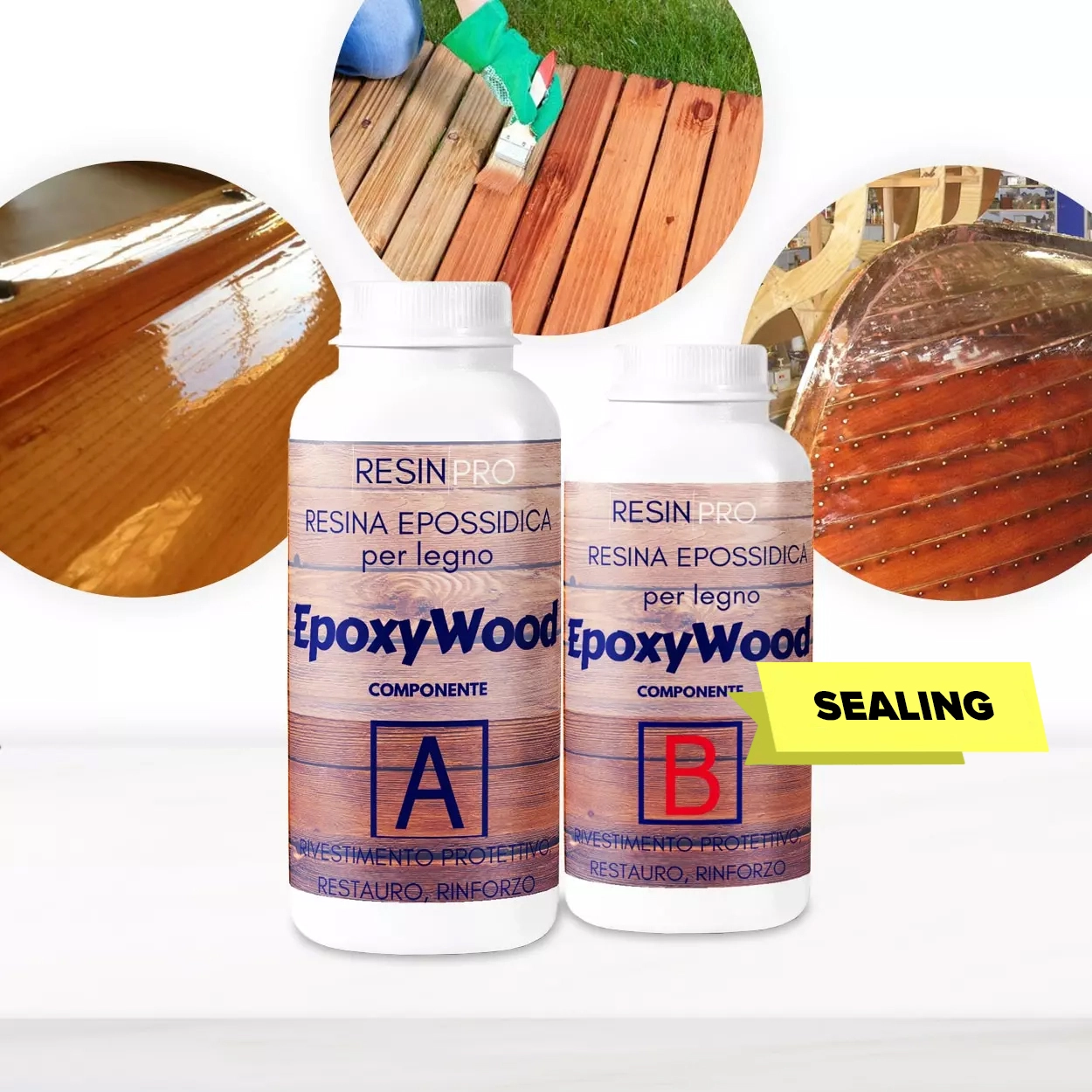
- “EpoxyWood” – Wood Restoration Epoxy Resin for Deep Penetration and Waterproofing – for deeply penetrating and waterproofing wood surfaces
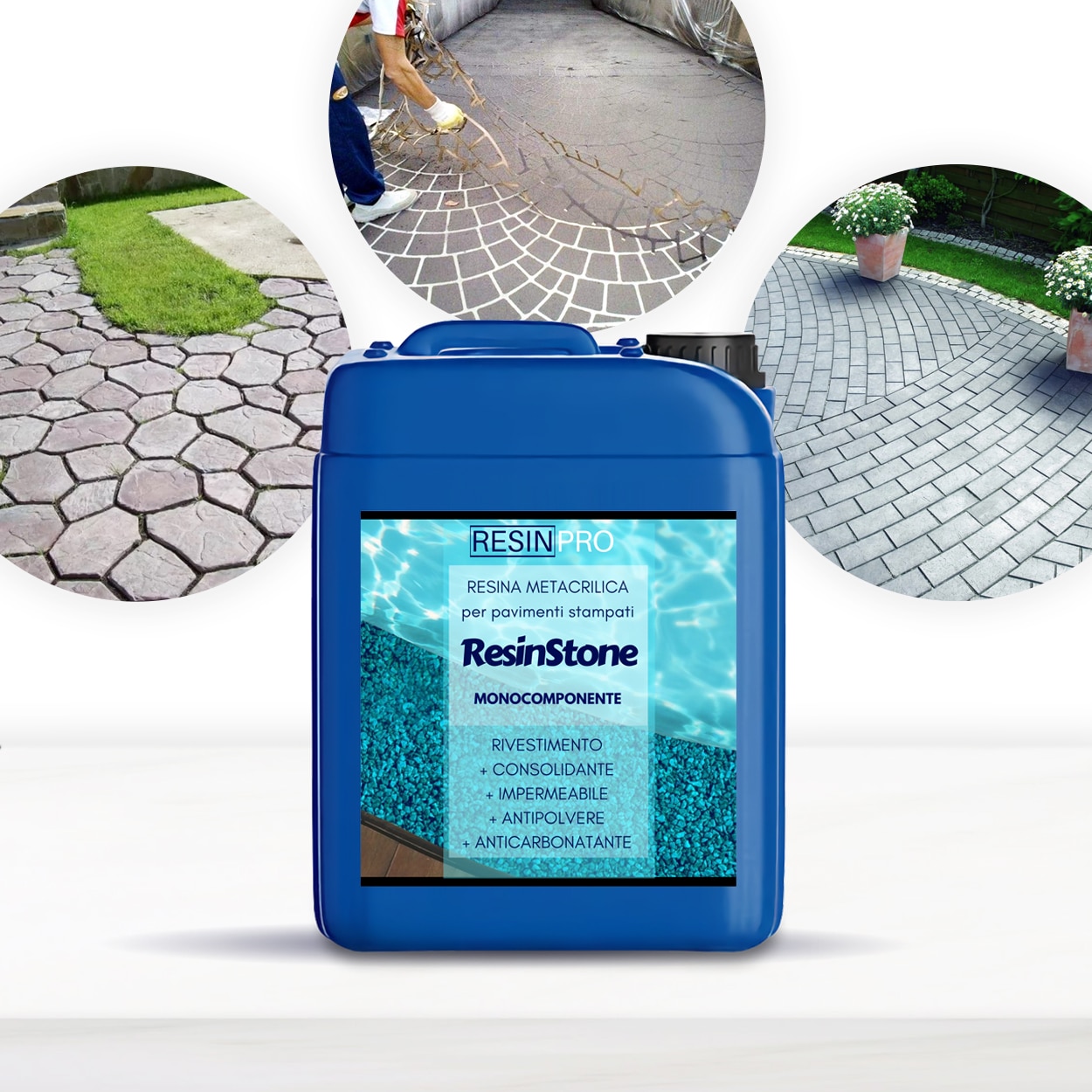
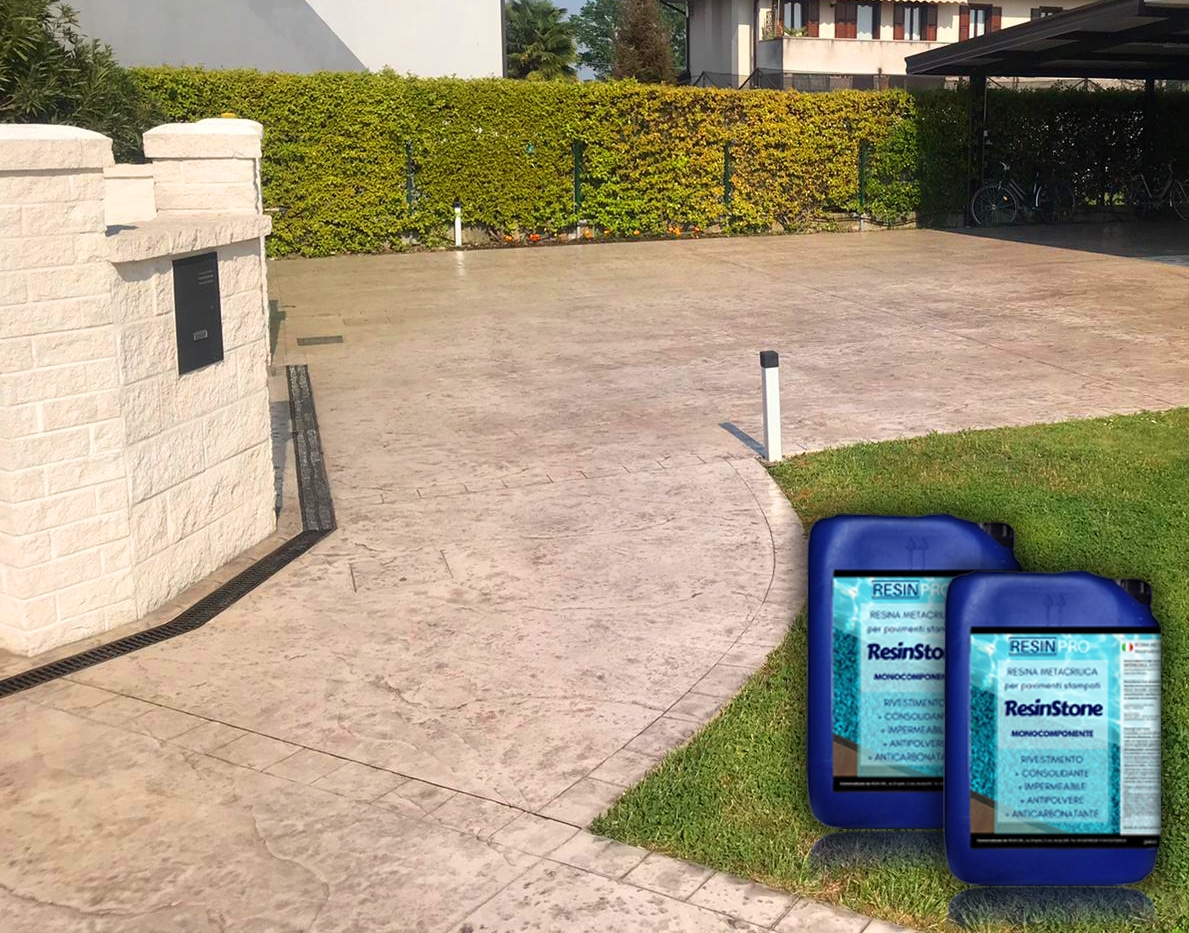
- “Resinstone” – One-Component Methacrylic Resin for Concrete Floors and Driveways – for sealing, protecting, and filling porous concrete areas
- Resin Fibreglass Repair Kit – Complete Polyester Resin and Hardener Set – for repairing rigid structures like fibreglass, metal or pools
- Protective gloves and eyewear
- Sandpaper or abrasive pads
- Mixing containers and spatula or brush
- Masking tape (if needed for boundaries)
Visualise Each Application Stage
Detailed images illustrate: preparation of surfaces with holes, inserting fibreglass mat for reinforcement, and smooth resin application on wood and concrete. See before and after transformations and material coverage in real-life settings.

Step 1: Prepare the Area
Thorough preparation is crucial for achieving long-lasting repairs. Begin by cleaning the surface meticulously, removing dust, debris, old paint, loose material, or grease. Ensure the area is completely dry before you proceed, as moisture can prevent proper resin adhesion and trapping it may cause future deterioration. If the holes pass through the surface, use masking tape or a suitable backing underneath to prevent the resin from leaking through. For wood surfaces, lightly sand around the holes to improve bonding and remove fragile edges.
On concrete or other porous materials, brush out any loose crumbs or dust from the holes prior to resin application.
Step 2: Seal the Holes or Gaps
If the holes are large or go all the way through, consider inserting a temporary backing—such as tape or plastic sheeting—to act as a barrier while the resin sets. This is especially important for vertical or overhead applications. Carefully fill from the base up to minimise trapped air. For structural repairs, especially on fibreglass or rigid surfaces, applying a fibreglass mat as reinforcement within the hole can provide extra strength and resistance to future cracking.
For this process, the Resin Fibreglass Repair Kit – Complete Polyester Resin and Hardener Set offers everything required to reinforce and fill, thanks to its bundled fibreglass mat, resin, and easy-to-use components.
Step 3: Apply the Resin Evenly
Mix your chosen resin system according to the manufacturer’s instructions, paying attention to proportions and pot life. For wood with deep pores or holes, a low-viscosity penetrating resin ensures thorough saturation. Using a product like “EpoxyWood” – Wood Restoration Epoxy Resin for Deep Penetration and Waterproofing aids in soaking into the wood grain, effectively sealing and strengthening from within.
On concrete, use a resin capable of deep capillary penetration. “Resinstone” – One-Component Methacrylic Resin for Concrete Floors and Driveways is specifically formulated to fill and protect porous areas, offering a durable, moisture-resistant finish.
Work in thin, controlled layers rather than pouring excessive amounts at once. Use a spatula or brush to distribute the resin, ensuring every cavity is filled. Tap the surface or gently heat with a hairdryer to release air bubbles, especially in deeper holes. Avoid overfilling; level the resin with the surrounding area for a tidy result.
Step 4: Allow for Proper Curing and Finishing
Leave the filled surface undisturbed for the recommended curing time, which varies by resin type and temperature. Prevent dust or debris from settling during this stage by covering with a clean, dry shield or enclosure. Once the resin hardens completely, remove any temporary backing. Sand the area lightly to blend it with the surrounding material or apply further coatings as needed for a flawless finish. If using a decorative or protective topcoat, follow relevant instructions for compatibility and drying times.
Tips for Success and Common Mistakes to Avoid
Thoroughly clean and dry all surfaces. Residual dust or moisture is a chief cause of failure.
Use a primer if needed on very porous or chalky concrete to maximise bond strength before filling holes.
Carefully fill from the base up when repairing deep or pass-through holes to avoid air pockets.
Avoid overfilling or rushing the process. Let each layer settle, and sand between coats if necessary for best results.
Work in thin layers – thick applications can overheat or remain soft underneath.
Maintain ventilation and protective equipment when handling resins. Follow safety data sheets for each product’s individual advice.
Get Inspired By Real-World Repairs
Project galleries reveal: clever repairs of pitted floors, restored antique furniture, and waterproofed fibreglass patches. Browse complete kits to start your own seamless restoration project now.
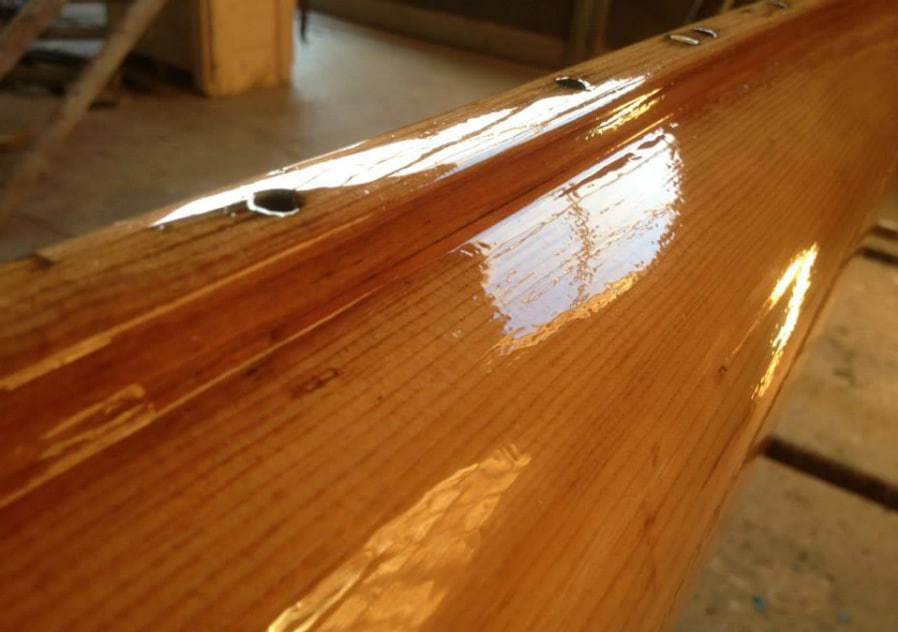
- "EpoxyWood" – Wood Restoration Epoxy Resin for Deep Penetration and WaterproofingOriginal price was: £64.00.£39.85Current price is: £39.85."EpoxyWood" is designed for repair and waterproofing of wooden surfaces with a warm finish, supporting restoration and protection tasks.
- "Resinstone" – One-Component Methacrylic Resin for Concrete Floors and DrivewaysPrice range: £29.85 through £59.85"Resinstone" is a one-component methacrylic resin designed for sealing concrete floors and driveways, fitting the theme of applying resin to surfaces…
- Resin Fibreglass Repair Kit – Complete Polyester Resin and Hardener SetPrice range: £13.85 through £22.85The Resin Fibreglass Repair Kit is suitable for versatile structural repairs with polyester resin and fibreglass reinforcement.
Frequently Asked Questions
Can I use epoxy formulated for wood to fill holes?
Yes, low-viscosity wood epoxy is ideal for filling holes, deeply penetrating fibres and providing strong, waterproof repairs.
Should I use fibreglass mat for large or structural holes?
Reinforcing with a fibreglass mat increases strength and prevents cracking, especially on rigid or load-bearing surfaces.
How do I prevent resin from leaking through when filling through-holes?
Use masking tape or a non-stick backing underneath the hole until the resin has cured fully.
Why might resin stay soft or tacky inside deep holes?
Overfilling or insufficient mixing can delay cure. Use thin layers and mix thoroughly for full hardening.
What’s the best approach for holes in concrete?
Use a penetrating concrete resin. Clean and prime first, then apply resin in layers until the hole is sealed.