 Free shipping on orders over £29,85
  Shipping Tracking!


 Google
 Facebook
← Back to How do you make a table with resin?
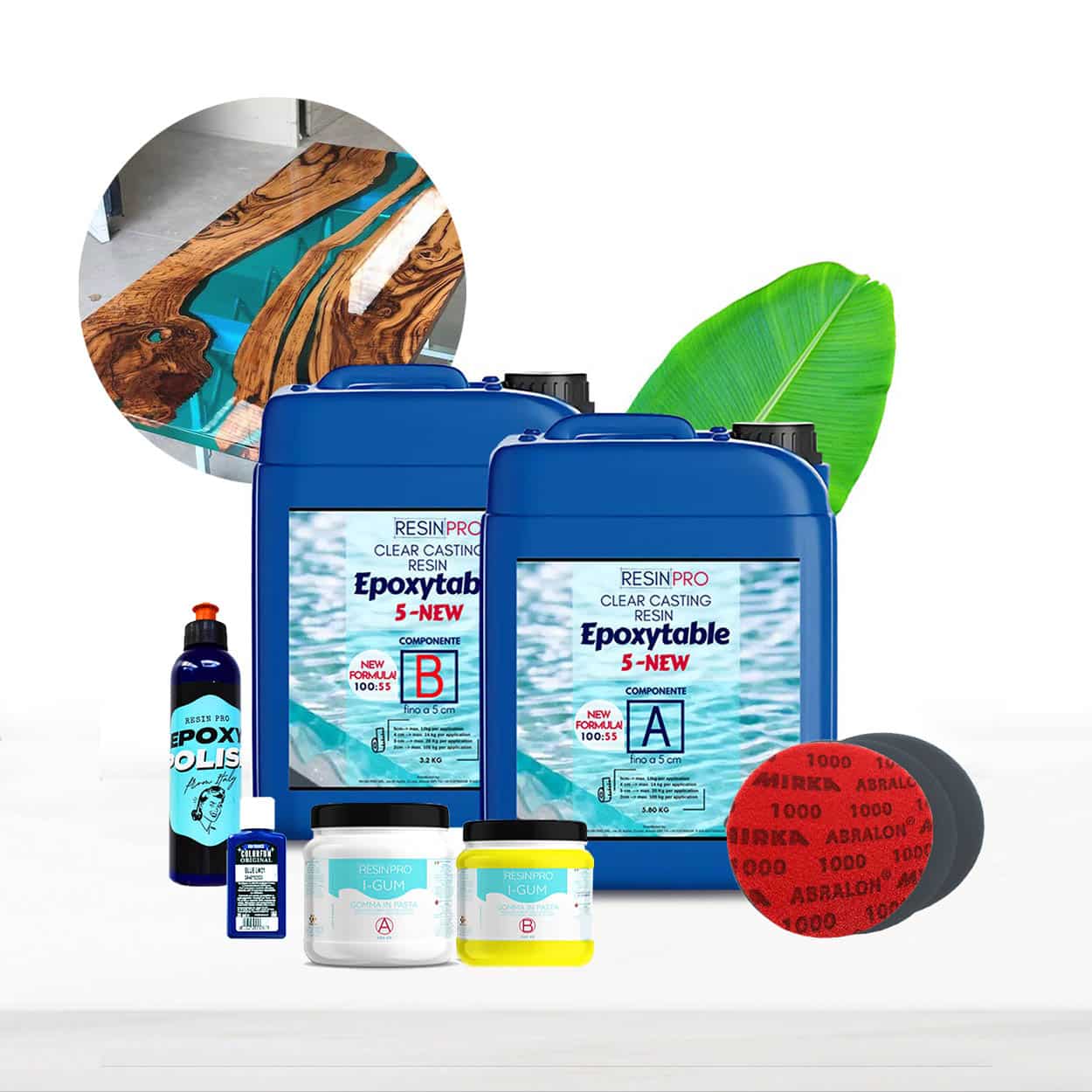
Finishing and polishing the edges of your resin table is an important step to achieving a smooth, professional look. With the right approach and materials, you can give your table subtle shine and refined detail.
Preparing the Edges: Sanding
Begin by making sure the resin is completely cured. Sand the edges using coarse grit sandpaper (such as 360 grit), and gradually work your way through finer grades (500, 1000, 2000, and finally 4000 grit). This sequence helps to gently remove imperfections and achieve a uniform, matt finish before polishing. Always sand evenly and pay attention to any irregularities, rinsing away resin dust between grits.
Polishing for a Glass-Like Finish
After sanding, apply a resin-specific polishing cream using a soft pad or cloth. Work in small sections, using circular motions. This will gradually bring your resin edges to a crisp, glossy finish. For the best results, consider a dedicated resin table finishing kit that includes a polishing cream and graded abrasive pads, like the one in the “River-Table” Complete Kit.
When to Pay Extra Attention
Perfectly finished edges matter most on exposed table sides or when you want the river effect and resin transitions to truly stand out. For tables being placed centre stage, smooth edges will help elevate the entire look and feel.
Related products
Related guides
Taking care with your edge finishing not only improves the look but also the tactile experience of your resin table. For more tips and a complete project guide, visit our main page on making tables with resin.