 Free shipping on orders over £29,85
  Shipping Tracking!


 Google
 Facebook
How do you make a table with resin?
Step-by-step guide for crafting your own resin masterpiece
Resin tables combine the natural beauty of wood with the crystalline allure of epoxy, producing one-of-a-kind centrepieces for your home or workspace. Whether it is a classic river table, a vivid resin art board or a functional conversation starter, making a table with resin demands planning, patience and the correct tools. This guide is for anyone ready to create their custom piece—no advanced carpentry skills required.
What You’ll Need
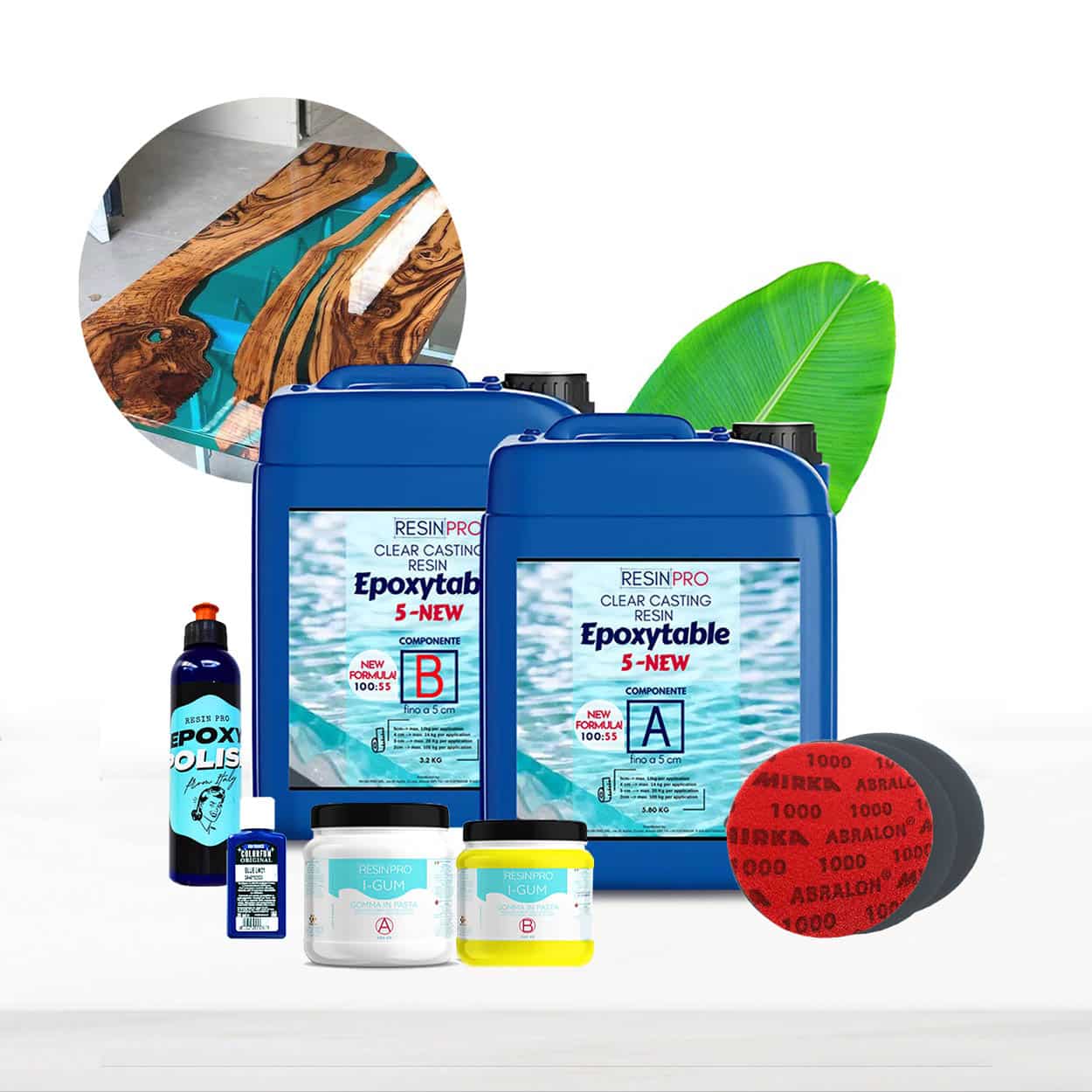
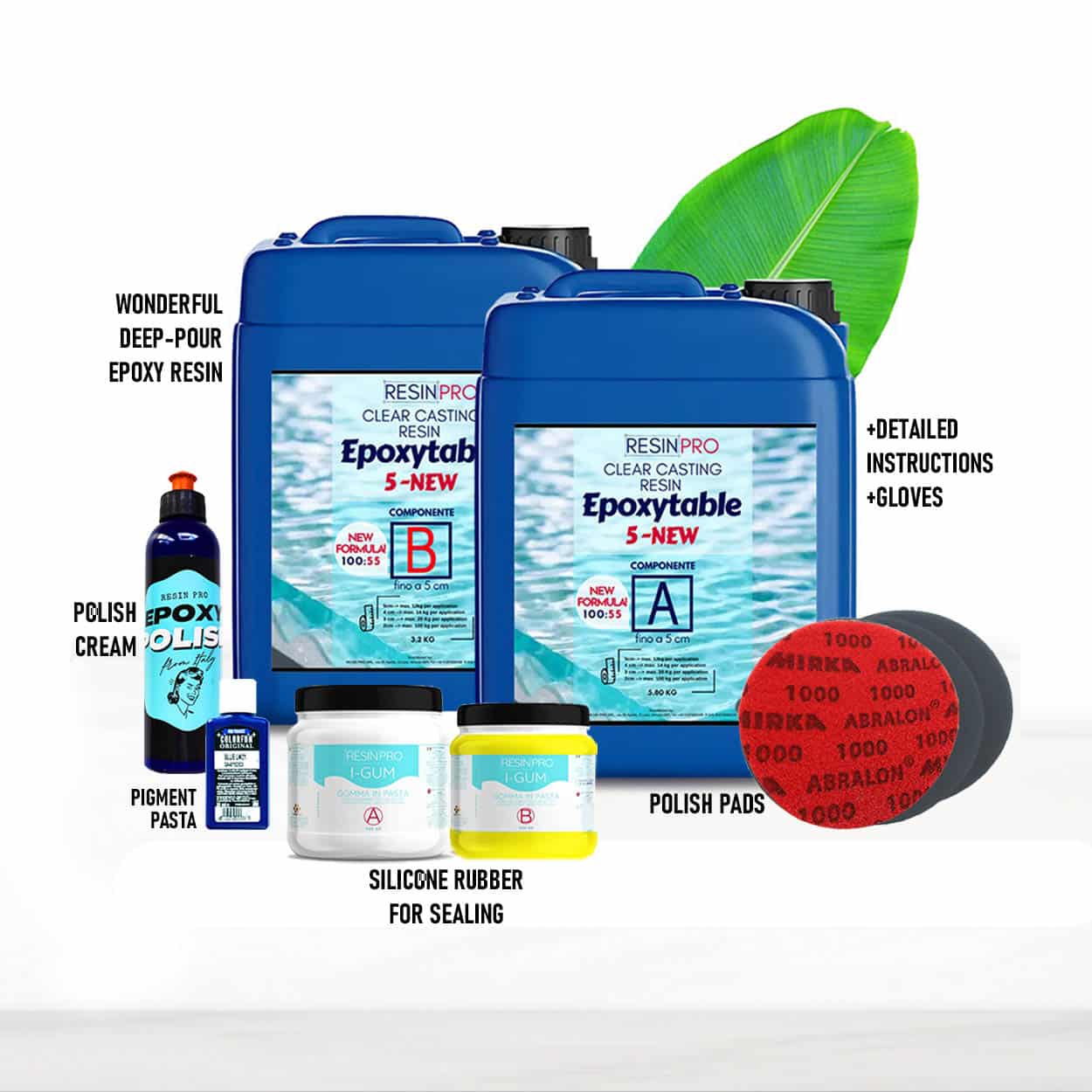
- “River-Table” – Complete Kit for Creating Your First Epoxy Resin Table: A comprehensive set with resin, pigments, silicone sealant and polishing kit.
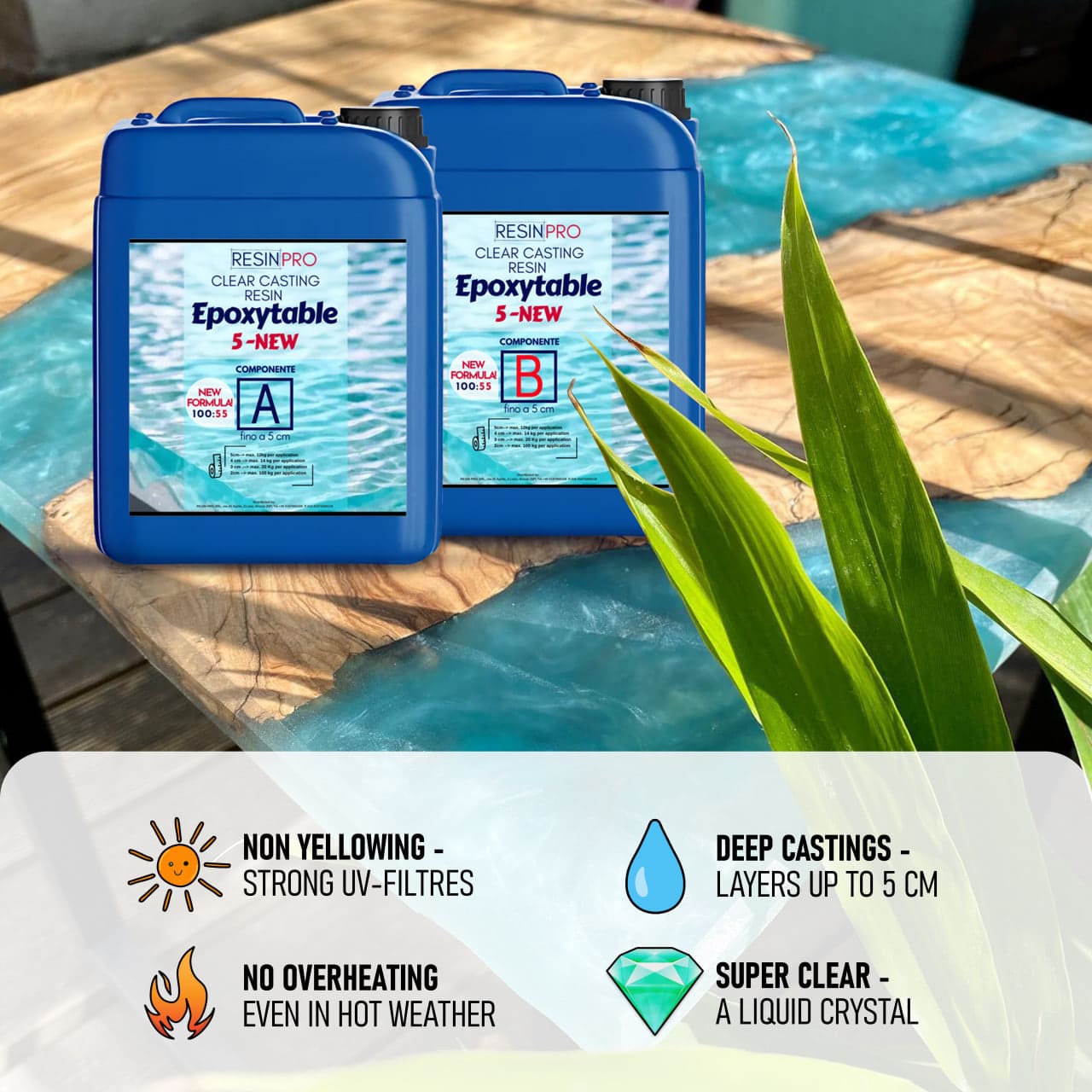
- “EpoxyTable 5-Five” – Deep Pour Epoxy Resin for Tables and Large Projects – Up to 5cm: Ideal for thick pours and stunning clarity.
- “Epoxytable 10-Ten” – Deep Pour Epoxy Resin for Tables, Up to 10cm Casting: For exceptionally deep, single-cast projects.
- MDF Board Base for Epoxy Resin Table and Art Projects: Provides a stable, versatile surface for your project.
- Protective gloves, mixing containers, stirring sticks, masking tape, and basic woodworking tools.

See Real Resin Table Creations
Browse stunning user projects crafted with ResinPro materials, featuring diverse wood and resin combinations, pigment effects, and incredible clarity from our professional resins.
Step 1: Prepare Your Workspace and Table Base
A clean, level workspace is the foundation of a successful resin project. Ensure your area is free from dust and is well-ventilated. Using a stable, sealed base such as the MDF Board Base for Epoxy Resin Table and Art Projects helps prevent leaks and warping. Cover all surfaces with protective sheeting and gather your safety equipment. Consider taping off the edges of the base to reduce the risk of resin spills. Always prepare your workspace thoroughly to avoid later issues with dust, uneven curing, or accidental spills.
Step 2: Create the Table Formwork
Construct formwork around your MDF or wooden base using sturdy strips or silicone barriers. The sides of the form should be higher than your intended resin level to avoid overflow. Carefully seal all joints using silicone or another suitable barrier to prevent resin leakage. Check that your base is level and secure before proceeding—resin will settle unevenly if the table is not properly positioned. Well-sealed formwork ensures crisp, clean table edges and minimises sanding later.
Step 3: Mix and Pour Your Epoxy Resin
Measure the required quantities of resin and hardener as directed, using a compatible deep pour epoxy such as “EpoxyTable 5-Five” – Deep Pour Epoxy Resin for Tables and Large Projects – Up to 5cm or, for ultra-thick pours, “Epoxytable 10-Ten” – Deep Pour Epoxy Resin for Tables, Up to 10cm Casting. Mix resin and hardener carefully by manufacturer’s instructions to ensure full curing. Add desired pigments, blending for even colour. Pour the mixture slowly, allowing it to flow and self-level. For projects thicker than 5cm, pour in multiple stages to avoid excess heat and bubbles, using a heat gun or torch gently if bubbles appear. Pour resin in stages for thick tabletops and avoid rushing each layer.

Step 4: Cure, Demould and Finish Your Table
After pouring, let the resin cure as recommended by the manufacturer. Maintain a stable room temperature and shield the surface from dust. Allow each layer to fully cure before sanding or adding further pours. Once curing is complete, carefully remove the formwork. Sand the table edges and surfaces starting with coarse, then progressing to fine grit for a glass-like finish. Use a polishing kit (often included in comprehensive offers like the “River-Table” – Complete Kit for Creating Your First Epoxy Resin Table) to achieve the final shine. For enhanced clarity and longevity, follow with a suitable topcoat if desired.

Tips, Common Mistakes and Troubleshooting
Never rush the preparation or curing stages. Ensure all materials are dry and free of oils or dust before pouring. Measure resin and hardener precisely; incorrect ratios lead to sticky or soft spots. Avoid pouring too thickly in one go, as excessive heat can crack the resin or cause yellowing. Use high-quality, purpose-made epoxy and a stable base for consistent, professional results. Patience and a methodical approach reward you with a showstopping resin table.
Finishing Touches: Examples and Inspiration
Get inspired by completed resin tables and learn specialist finishing techniques for a flawless final look. Explore creative pigments, sealing methods, and unique base materials.

- "River-Table" – Complete Kit for Creating Your First Epoxy Resin TablePrice range: £188.85 through £444.85"River-Table" kit provides materials and instructions for making a wood and resin table. Suitable for beginners within the 'How do you make a table…
- "EpoxyTable 5-Five" – Deep Pour Epoxy Resin for Tables and Large Projects – Up to 5cmPrice range: £16.85 through £1,099.85"EpoxyTable 5-Five" is designed for deep pour resin tables and large projects, offering strong UV protection and a mechanically resistant surface.
 “Epoxytable 10-Ten” – Deep Pour Epoxy Resin for Tables, Up to 10cm CastingPrice range: £33.85 through £334.85“Epoxytable 10-Ten” is designed for deep casting up to 10cm, suitable for tables and artistic projects requiring thick, clear resin layers.
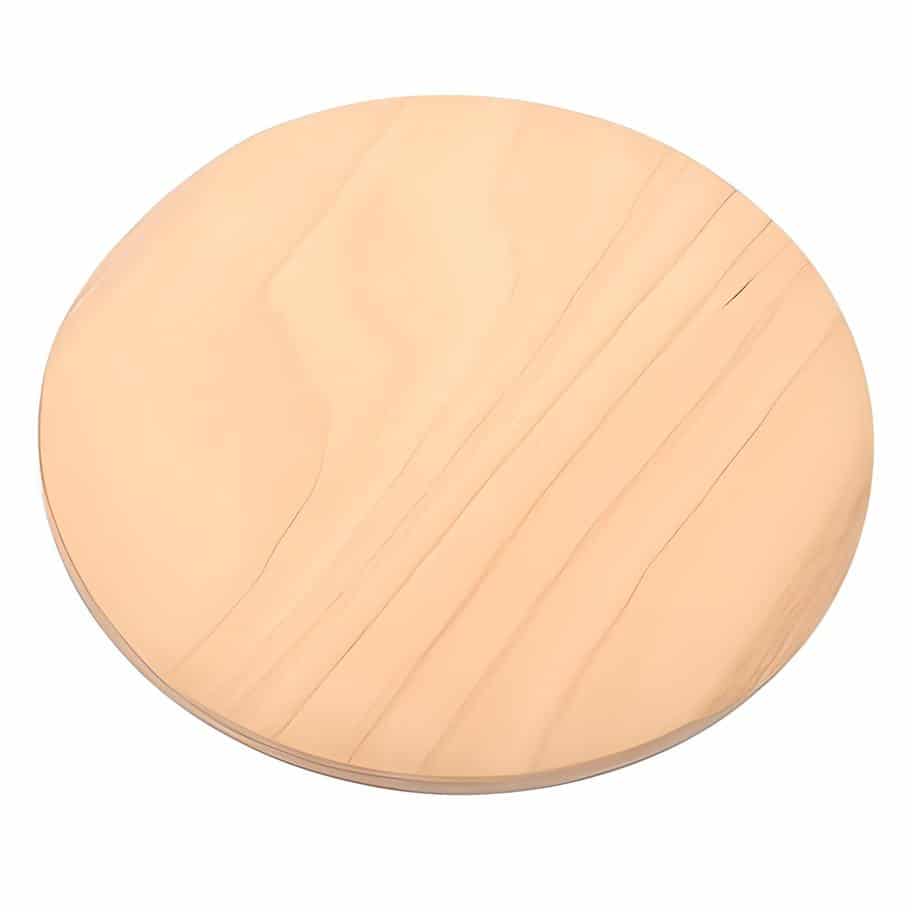 MDF Board Base for Epoxy Resin Table and Art ProjectsOriginal price was: £25.00.£17.85Current price is: £17.85.A sturdy MDF board designed as a stable base for resin tables and art, suited to artists and beginners.
Frequently Asked Questions
What thickness can I pour resin in a single layer?
With 'EpoxyTable 5-Five', up to 5cm is possible per pour; use 'Epoxytable 10-Ten' for up to 10cm in one layer.
Which base should I use for a resin table?
A stable, sealed MDF board provides the best support and prevents resin leaks during curing.
How do I prevent bubbles when casting the tabletop?
Mix slowly, pour gradually, and use a heat gun or torch on the surface to remove bubbles.
How do I finish and polish the edges of my resin table?
Sand edges with progressively finer grits, then polish using a dedicated resin polishing kit for best results.
Is resin table making suitable for beginners?
Yes, with starter kits and clear instructions, beginners can achieve professional results.
How long does resin take to cure for tables?
Depending on product and thickness, expect 24-72 hours for full cure before demoulding or sanding.
How do I demould my resin table safely?
Ensure resin is fully cured, then gently remove the formwork to avoid chipping or marking the resin edges.