 Free shipping on orders over £29,85
  Shipping Tracking!


 Google
 Facebook
← Back to How do you repair a sink with epoxy resin?
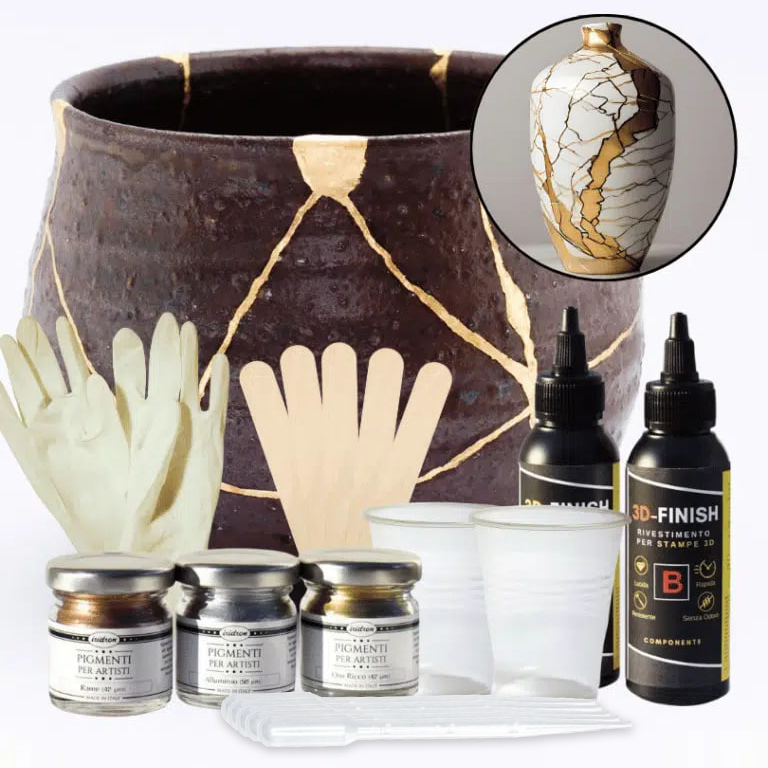
Epoxy resin is a popular solution for repairing sinks, but is it equally effective for both hairline cracks and larger chips? Understanding how epoxy works on different types of damage will help you choose the best approach for a lasting repair.
Repairing Hairline Cracks with Epoxy
Epoxy resin excels at filling and sealing fine hairline cracks in ceramic, stone, or composite sinks. Thanks to its strong bonding properties and ease of application, it can penetrate small cracks and cure to form a watertight, resilient repair. Kits such as the “Kintsugi” Ceramic Repair Kit are specially formulated for precise work, offering a high-viscosity formula that won’t run on vertical surfaces. This makes it easy to achieve an aesthetically pleasing finish, even for visible areas.
Addressing Larger Chips and Missing Fragments
While epoxy can fill chips and missing sections, deeper or wider gaps may require an additional filler or a thixotropic (non-drip) epoxy mastic for best results. Products like “Magelstick” Epoxy Mastic are specifically designed to handle larger repairs by providing gap-filling properties and strong adhesion, especially on stone or cement-based sinks. Preparing the area by cleaning and roughening the surface will improve adhesion for any repair.
Choosing the Right Method and When It Matters
If your sink has mostly hairline cracks, a decorative repair kit with precise resin application is often your best choice. For significant chips or when structural integrity is a concern, opt for a gap-filling mastic or an epoxy glue with strong bonding and minimal shrinkage. Using the appropriate solution ensures a seamless finish and long-lasting durability.
Related products
Related guides
Whether you’re dealing with a subtle crack or a more noticeable chip, epoxy resin offers a reliable strategy for restoring your sink. For comprehensive guidance and step-by-step instructions on every repair stage, return to our main page on sink repair with epoxy resin.