 Free shipping on orders over £29,85
  Shipping Tracking!


 Google
 Facebook
← Back to What do you think of resin printers?
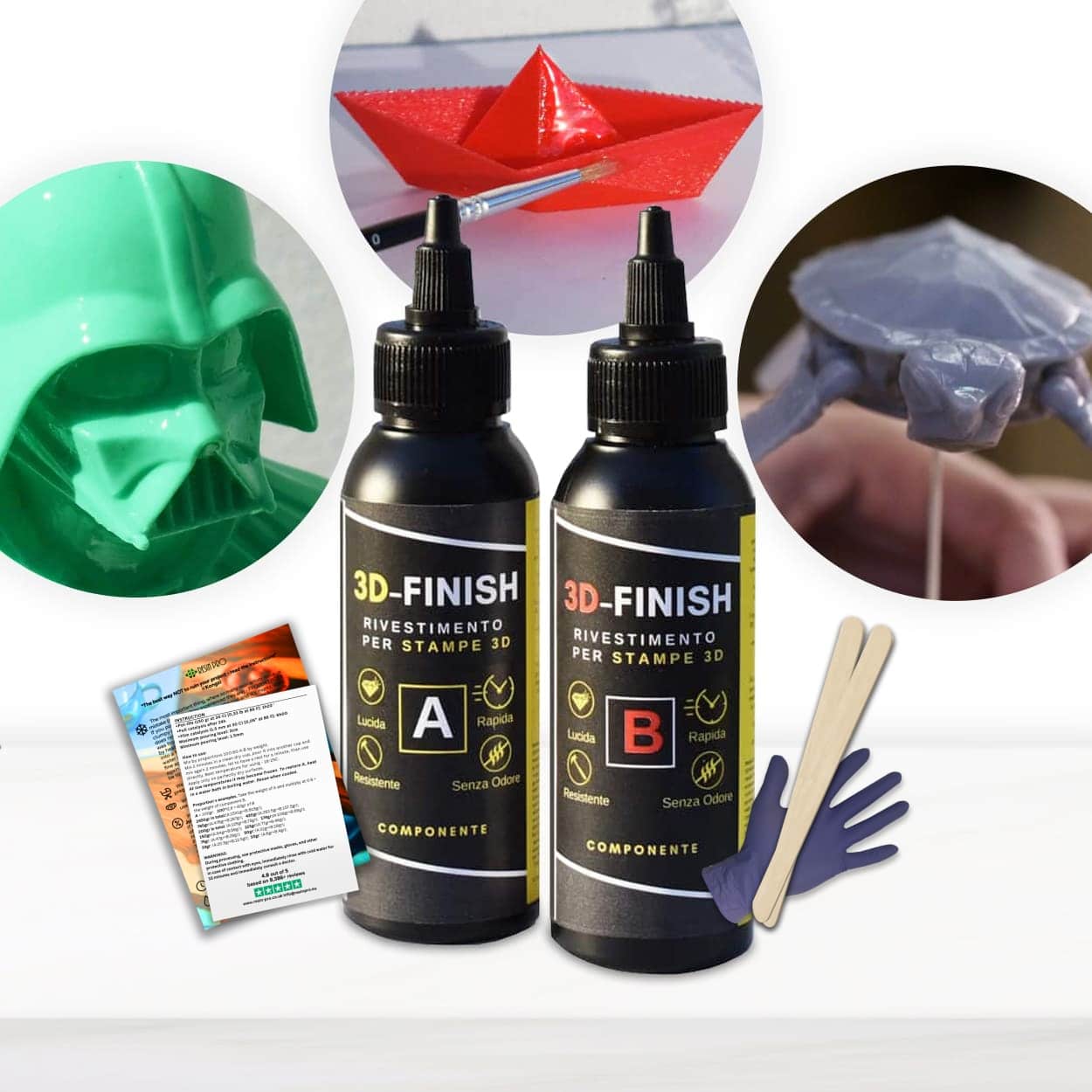
When working with resin printers or applying post-processing coatings, having the right safety equipment and organising your workspace correctly makes a real difference to safety, comfort, and results. This page outlines key steps for preparing both yourself and your working environment.
Essential Safety Equipment
Resin and epoxy products often require contact precautions. Ensure you use protective gloves (nitrile or chemical-resistant), a mask or respirator suitable for fumes or particulates, and safety goggles when mixing, pouring, or sanding. Consider additional gear such as aprons or lab coats to protect clothing. Always check product labels for specific guidance on safe handling.
Setting Up an Effective Workspace
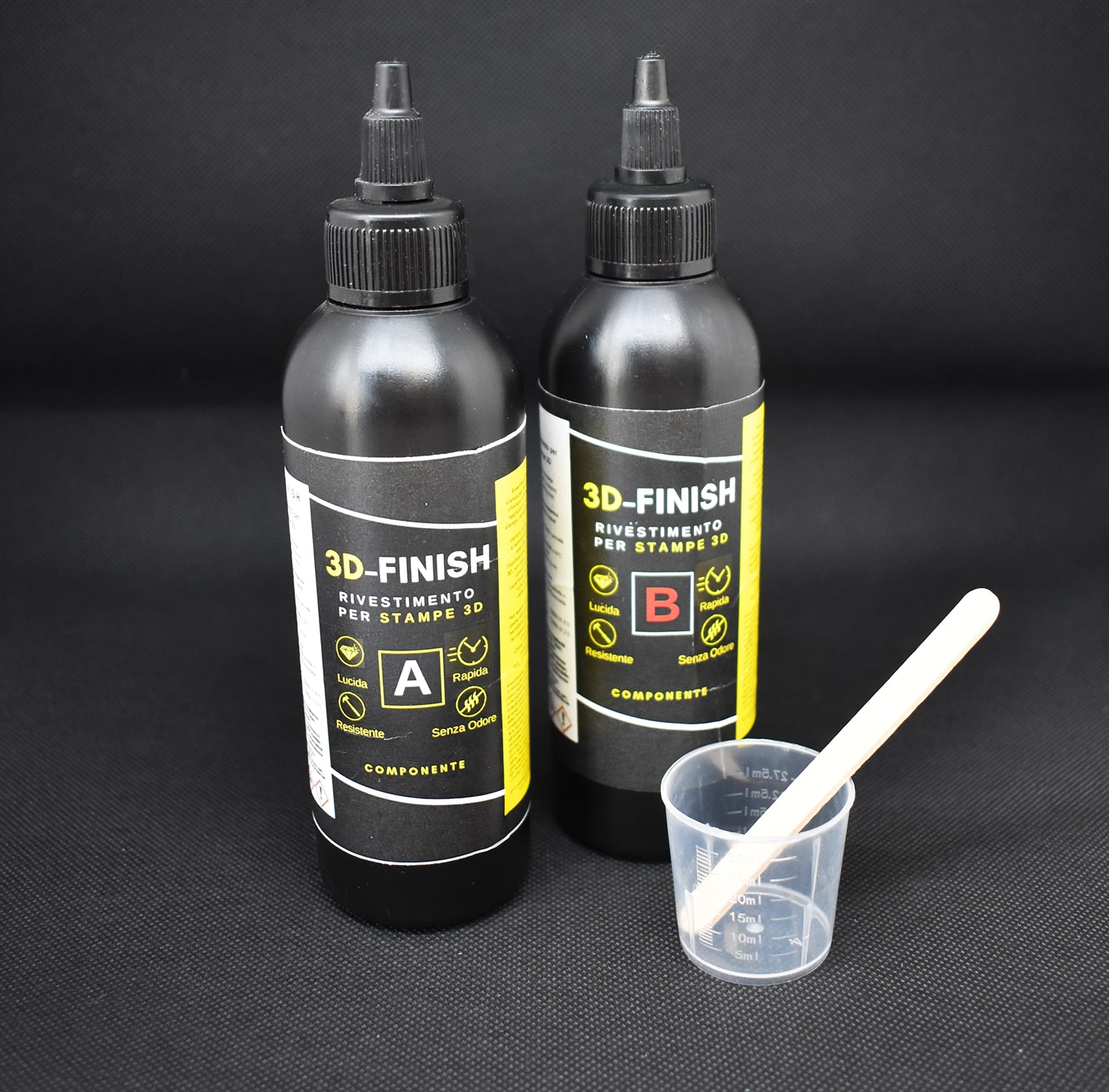
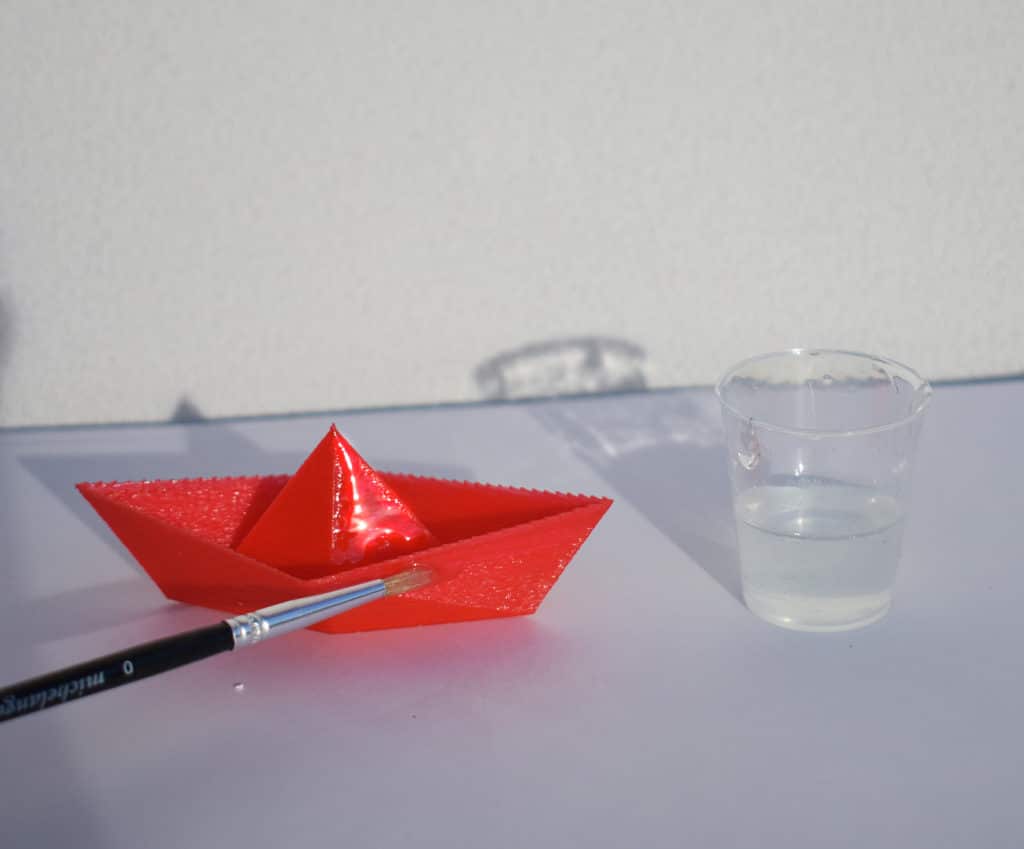
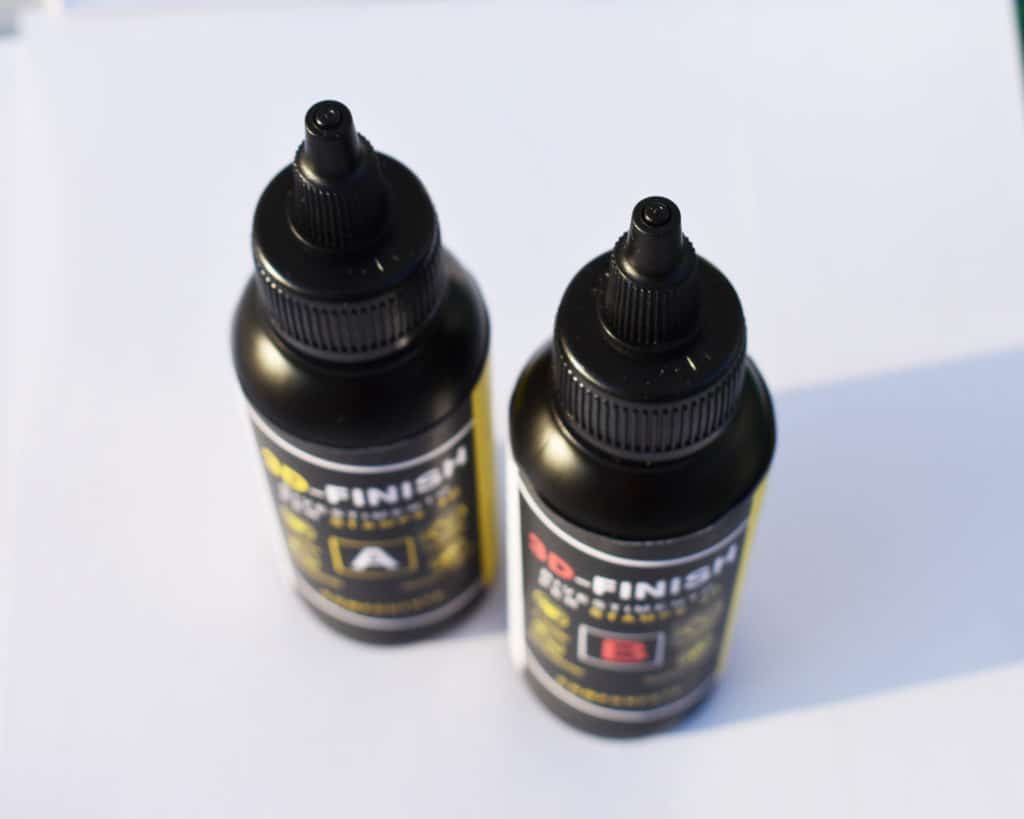
Choose a well-ventilated area away from food, pets, and children. Your work surface should be sturdy, flat and covered with disposable plastic or silicone mats for easy cleaning. Keep mixing tools, accurate digital scales, and cleaning cloths close to hand. Organise your materials before starting—having everything clean and dry is important for resin, such as when applying a post-print finish like 3D Finish Epoxy Resin. Avoid working in high humidity or low temperatures, as these conditions can affect curing and surface finish.
When This Matters Most
Taking care with personal protection and workspace setup is essential during all resin handling tasks, but especially when trying new products or techniques. Beginners or anyone trying detailed post-processing should review safety steps beforehand to avoid common errors and ensure a clean, controlled process.
Related products
Related guides
Paying attention to both safety equipment and workspace preparation will help you get the most out of your resin printing experience. For more practical tips about working with resins and 3D prints, see our main guide on resin printers.