 Free shipping on orders over £29,85
  Shipping Tracking!


 Google
 Facebook
← Back to How do you coat with resin?
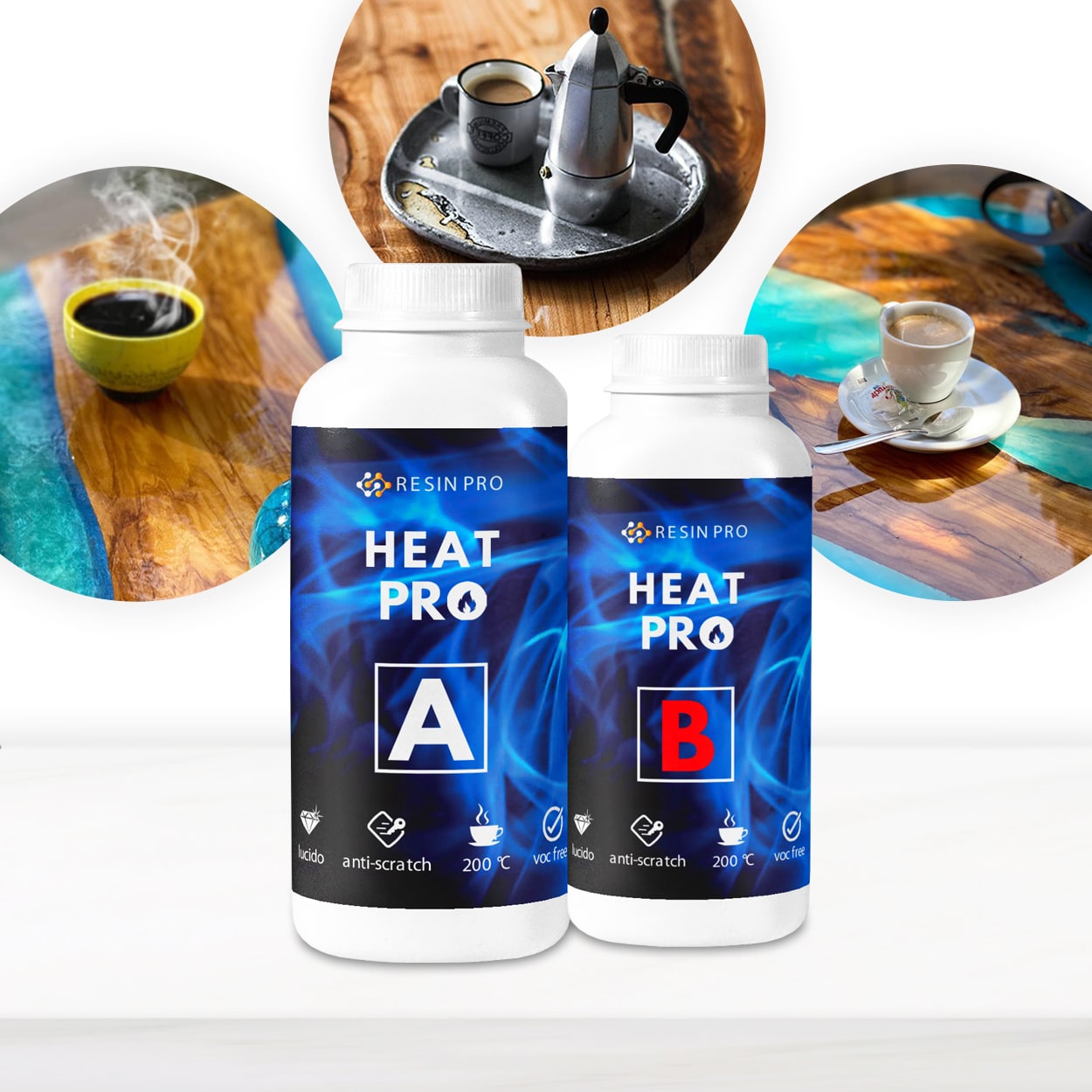
If you need a resin finish that can withstand exposure to high temperatures, selecting the right coating is crucial. Not all resins are formulated for sustained heat, so choosing one rated for up to 200°C ensures durability and surface protection for heat-prone settings.
Why Opt for Heat-Resistant Resin?
Standard epoxy coatings may soften or discolour when exposed to heat from hot mugs, pans, or appliances. Heat-resistant resins—like “Heat Pro”—are designed to hold up against temperatures up to 200°C. This makes them ideal for applications such as hot coasters, serving trays, and certain kitchen surfaces where elevated temperatures are part of daily use.


Application Tips for Heat Protection
- Follow the recommended mixing ratio (e.g., 100:75 for “Heat Pro”) for best heat resistance and clarity.
- Apply on small to medium surfaces—usually up to 0.5 m² per application—for optimal results and even curing.
- Allow for a full cure time (typically 24 hours), as this is essential for the highest level of heat and scratch resistance.
Avoid using heat-resistant coatings over acrylic or highly dyed surfaces, as reactions may occur—always test on a small area first when combining materials.
When Heat Resistance Matters Most
Heat-resistant resin coatings are invaluable for projects that will frequently face high temperatures—think coasters for tea and coffee, resin trays, or small countertops near hobs or ovens. For standard decorative or low-heat surfaces, a general-purpose resin may suffice, but for peace of mind around heat, opt for a product specifically rated for 200°C.

Related products
Related guides
Choosing the right heat-resistant resin ensures your coated surfaces stay looking their best, even with daily exposure to hot items. Explore more coating techniques and guidance on the resin coating hub.