 Free shipping on orders over £29,85
  Shipping Tracking!


 Google
 Facebook
← Back to Where to buy plant resins?
Understanding heat resistance in resin is crucial for ensuring the longevity and safety of your creative projects. Resins with heat resistance up to 70°C can be ideal for a variety of practical and decorative uses, provided you know their limitations and applications.
What Does ‘Up to 70°C’ Heat Resistance Mean?
When a resin offers heat resistance up to 70°C, it maintains its properties and appearance at temperatures up to this point. It is suitable for applications where moderate warmth may be encountered, such as trays exposed to hot drinks or crafted decor near gentle heat sources. Beyond this threshold, the resin may soften, warp, or lose gloss, so it’s important not to use it for items that need to withstand direct contact with very hot pans or high-heat appliances.
Best Uses for 70°C Heat Resistant Resins
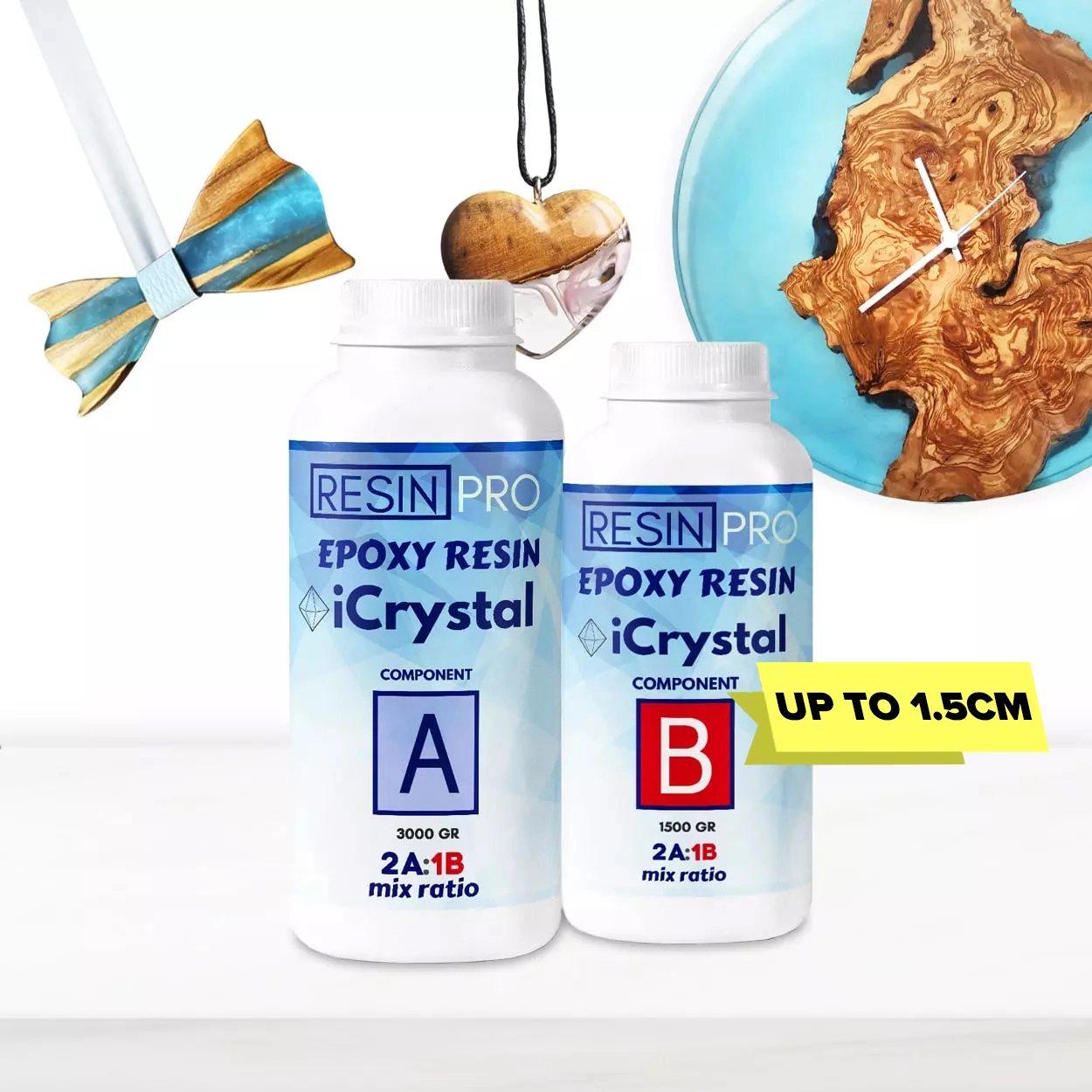
Epoxy and mineral resins in this category are a smart choice for DIY, woodworking, art projects and table coatings. For instance, “Icrystal” Clear Epoxy Resin is a popular option for furniture coatings, model making, and protective layers over decorative pieces. They’re also well-suited to jewellery and display pieces that may be exposed to occasional warmth, but not persistent heat.
- Serving trays and coasters for warm drinks
- Artworks displayed in sunlit or warm indoor areas
- Decorative furniture enhancements
Tips for Achieving the Best Results
Always allow the resin to cure fully as per manufacturer instructions before exposing it to any warmth. Use multiple thinner layers rather than a single thick pour to maximise the durability and clarity for items like table coatings—a product such as “Trasparente” Multipurpose Clear Epoxy Resin is designed for up to 2cm per layer. For detailed items such as jewellery, opt for specialist formulas like “Liquidissima” Epoxy Resin to avoid unwanted softening or clouding at moderate warmth.
When This Matters
If your project will sit near a radiator, window, or in a kitchen, knowing your resin’s heat tolerance is vital. For situations above 70°C, consider specialist high-temp alternatives. For most indoor decorative and tabletop uses, however, 70°C resistance offers a good balance of safety and flexibility.
Related products
Related guides
Selecting a resin with the correct heat resistance is key to crafting sturdy, attractive items. For more guidance on sourcing quality plant and synthetic resins, visit our main Where to Buy Plant Resins? page.