 Free shipping on orders over £29,85
  Shipping Tracking!


 Google
 Facebook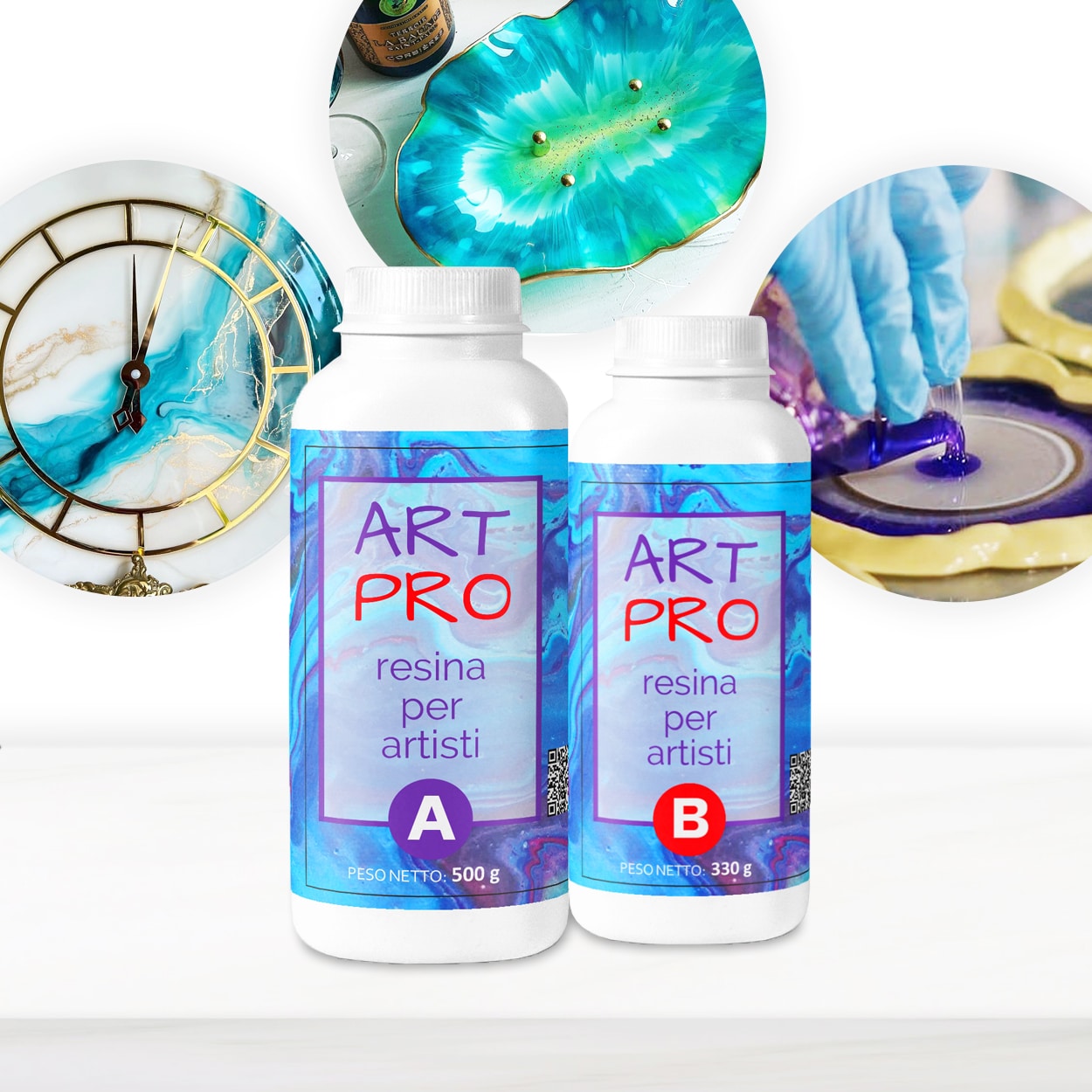
Resin projects such as coasters, trays, and tabletops demand surfaces that stay clear and resist scratching, especially with regular use. High scratch resistance in epoxy resin is key to maintaining both the functionality and the appearance of these pieces over time.
What Contributes to High Scratch Resistance?
Scratch resistance in epoxy resin results from a durable cured surface that can withstand daily wear, such as placing cups, utensils, or decorative items on coasters and trays. Factors influencing scratch resistance include the resin’s formulation, hardness after curing, and additional protective agents. High-quality products often contain UV protection and non-toxic ingredients, further supporting longevity and durability.
How to Choose and Apply Scratch-Resistant Resin
For best results, pick an epoxy resin specifically designed for surface coatings. “Art Pro” – Clear Epoxy Resin for Artists and Surface Coating is formulated to deliver a hard, scratch-resistant finish ideal for art, homeware, and furniture. Always follow mixing ratios carefully and pour within recommended thickness (typically 1–10 mm) to achieve optimal curing and resistance. Allow full curing time before using or stacking finished pieces to lock in durability.
When Scratch Resistance Matters Most
- Regular-use items such as coasters, trays, and tabletops are prone to frequent contact and movement, making superior scratch resistance vital.
- Projects exposed to sunlight, spills, or cleaning will benefit from both scratch and UV protection for a longer-lasting appearance.
Related products
Related guides
Selecting the right scratch-resistant resin ensures your creative projects stay beautiful and robust. To learn more about what shapes resin performance, explore our main guide on what causes resin.