 Free shipping on orders over £29,85
  Shipping Tracking!


 Google
 Facebook
How are resin floors installed?
Step-by-step resin floor installation for patios or driveways
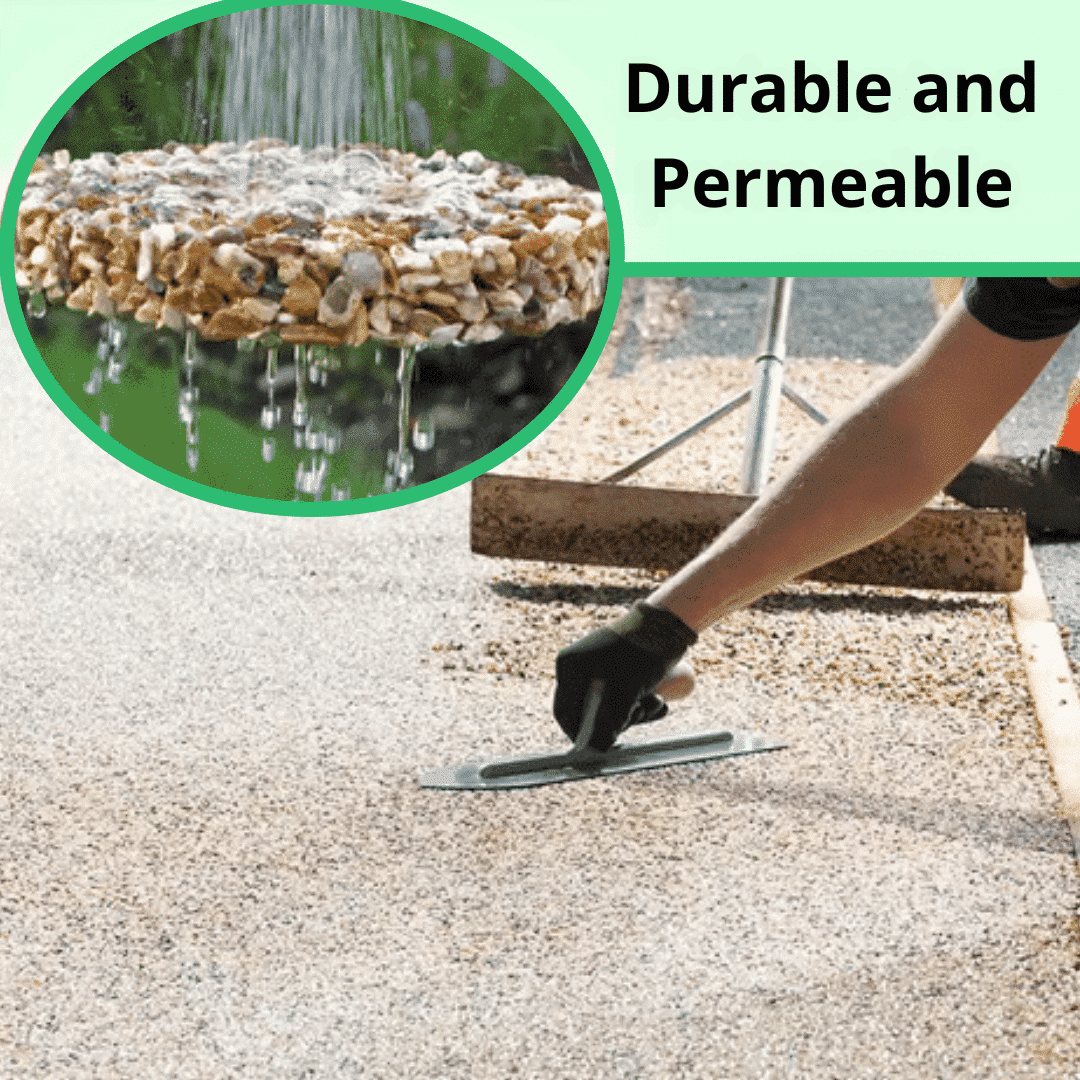
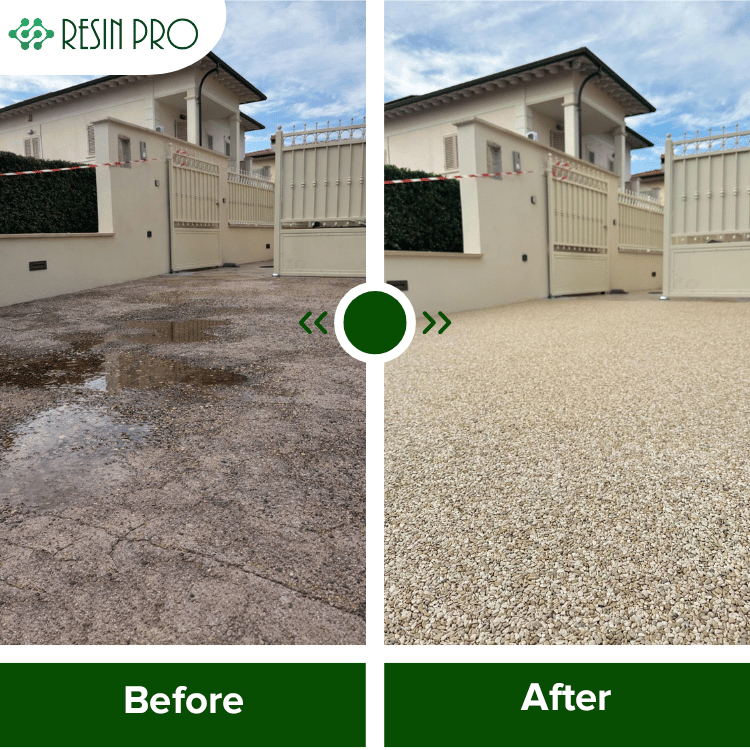
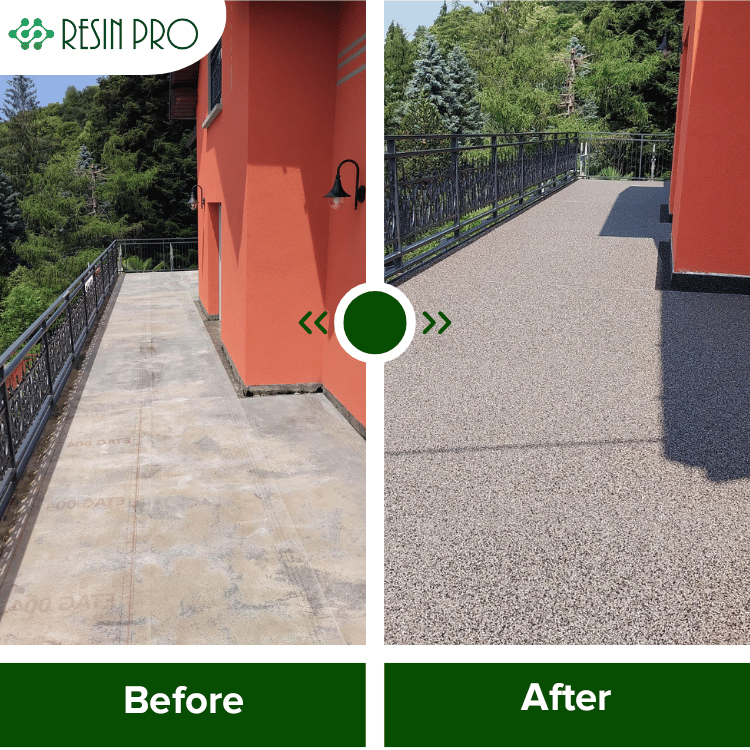
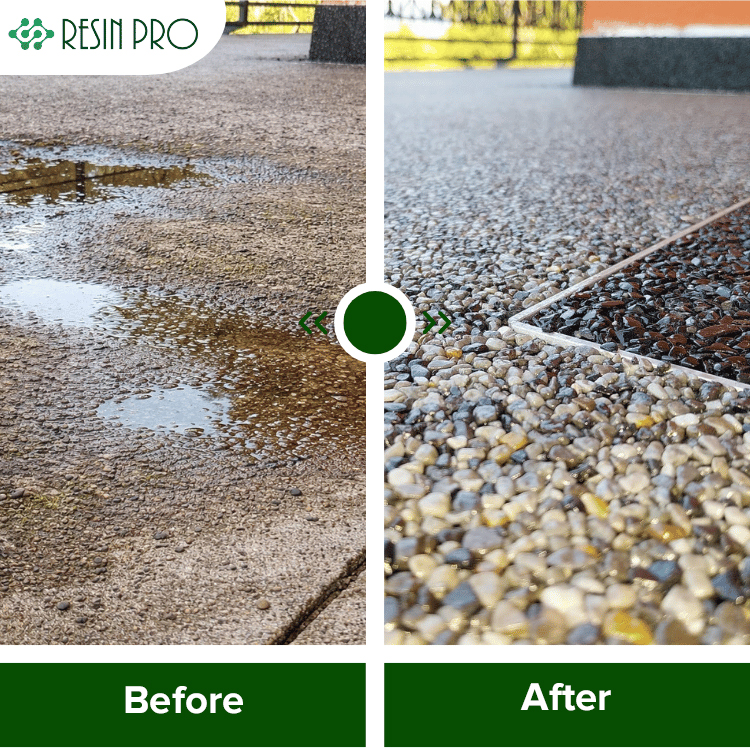
Resin floor installation is a robust way to create decorative, permeable outdoor spaces that endure the UK climate. This guide will walk you through the essential steps required to achieve a long-lasting resin-bound surface, whether you are updating your driveway, laying a new path, or refreshing a patio. With careful planning and proper materials, you can create a durable finish that resists puddling and weeds.
What You’ll Need
- Groundtex Woven Weed Membrane 2m x 10m — Geotextile Fabric for Flowstone & Resin Bound Driveways: For ground stabilisation and effective weed suppression.
- Washed Pebbles for Permeable Floors 25kg – Outdoor Resin-Bound Surfaces: Pre-washed, dried aggregates for permeability and custom finishes.
- “Trasparente” – Epoxy Binder for Coloured Pebbles and Grits: Transparent binder for coloured or dark pebbles in decorative surfaces.
- Mixing tools (cement mixer for larger areas, drill paddle for small repair areas)
- Spreader (trowel or float), compactor, protective gloves, safety goggles, tarpaulin or sheeting for protection
Preparing your outdoor space for resin flooring
Choose a dry period to begin installation and prepare the ground well—this ensures your resin floor lasts for years. Remove loose debris, stabilise the substrate, and secure all edge restraints. Proper groundwork is vital for optimal drainage and surface levelness.
Step 1: Prepare the Base Layer
Ensure the substrate is clean, dry, and completely stable before proceeding. Sweep away debris, remove any loose materials, and repair cracks or hollows in the concrete or tarmac base to provide a solid foundation. For soil or gravel bases, a layer of MOT type 1 aggregate may be needed for load-bearing strength prior to laying resin systems.
To prevent weed growth and improve longevity, install a Groundtex Woven Weed Membrane 2m x 10m — Geotextile Fabric over the prepared ground. Overlap joints by at least 100 mm and secure the fabric in place. This step ensures a level, weed-free surface and helps stabilise the substrate, especially for driveways and patios.


Step 2: Mix the Resin Binder and Pebbles
Mix the resin binder and pebbles thoroughly for full coverage and strength. Begin by measuring the correct amount of Washed Pebbles for Permeable Floors and resin binder required for your area. For decorative coloured finishes, use “Trasparente” – Epoxy Binder for Coloured Pebbles and Grits as your transparent two-part system, ideal for maintaining vibrant colours and UV resistance.
Add the resin to a mixing vessel or cement mixer and slowly incorporate the pebbles, ensuring all stones are coated evenly. Work quickly to use the mix within its working time, generally 30–45 minutes. This thorough mixing is crucial to avoid dry spots and weak points in the finished floor.
Step 3: Lay and Compact the Mixture
Work in manageable sections to allow for even spreading and compaction. Spread the resin and pebble mix over the base layer using a trowel, float, or screed bar. Aim for a uniform thickness, typically around 15–20 mm depending on intended use. Carefully compact each section as you go, pressing down with a trowel or roller to eliminate air pockets and encourage levelness across the surface.
Take particular care where edging, drains, or obstacles occur to maintain a neat and continuous finish. Avoid treading on newly applied areas. If possible, stagger joint lines in larger installations for improved strength.


Step 4: Allow to Cure and Protect the Surface
Protect freshly installed resin floors from rain, debris, and foot traffic during the initial curing period. Most resin systems are walkable within 10–24 hours, but full cure may take several days depending on temperature and humidity. Cover the area with tarpaulin or sheeting if poor weather is predicted to ensure an uncontaminated finish. Keep vehicles off the surface until fully cured as specified by your chosen materials.
Tips, Common Mistakes, and Safety Guidance
Always wear suitable gloves and protective clothing when handling resin materials. Work in mild, dry conditions ideally between 10°C–25°C, and avoid application during rain or high humidity. Failing to mix resin and aggregate thoroughly can result in weak spots or inconsistent colour. Never apply the resin system over unstable or poorly prepared ground, as movement or subsidence will affect longevity. For best results, plan your layout and application sequence before mixing.

Maintaining long-term durability of resin floors
Brush debris away regularly and clean with water to keep your resin surface looking its best. Inspect seasonally for signs of wear or edge movement and address issues promptly to protect the permeable, decorative finish.
- "Flowstone" – Complete Permeable Floor Kit with Pebbles and ResinPrice range: £49.95 through £3,915.45"Flowstone" Complete Permeable Floor Kit offers a durable pebble and resin system for outdoor driveways and paths with guidance for colour and resin…
- "Trasparente" – Epoxy Binder for Coloured Pebbles and GritsPrice range: £33.45 through £397.95"Trasparente" is a clear epoxy binder designed for coloured pebbles and grits, suitable for durable decorative flooring projects.
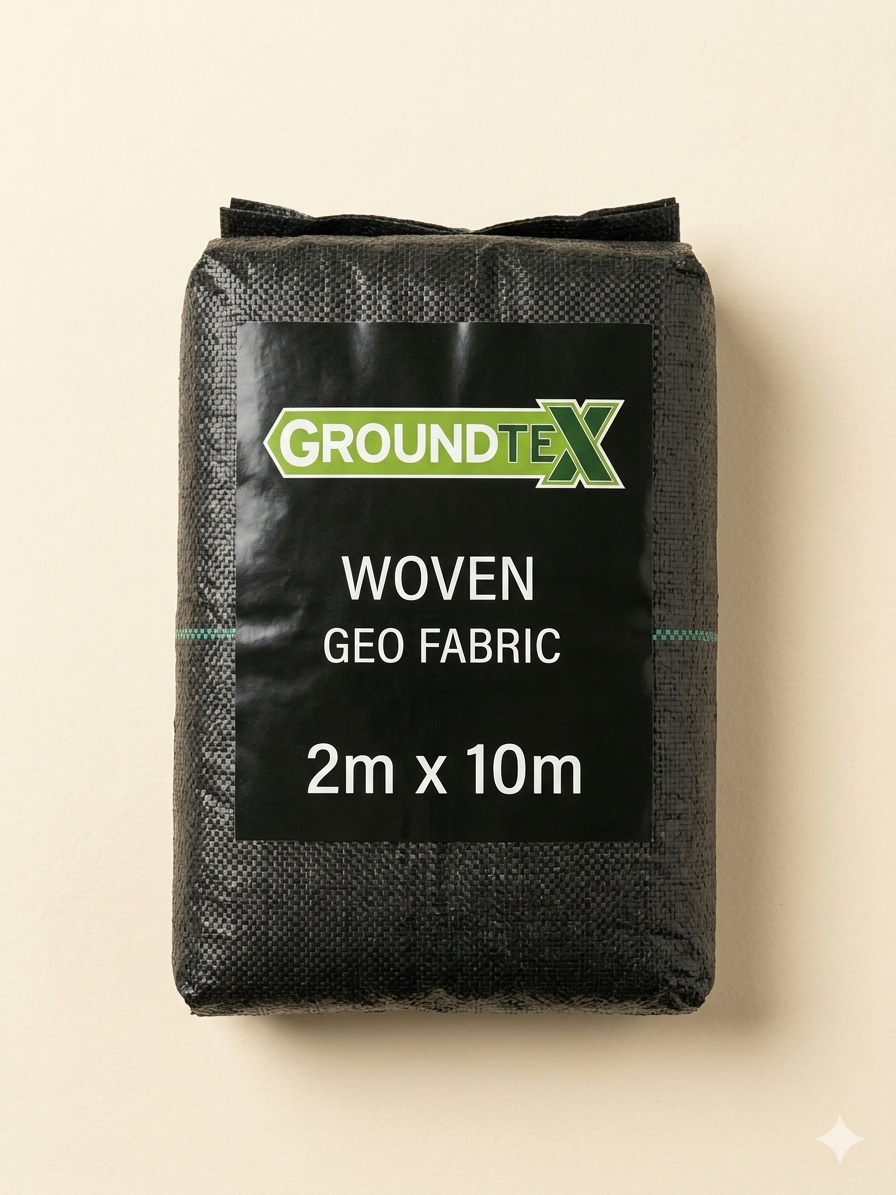 Groundtex Woven Weed Membrane 2m x 10m — Geotextile Fabric for Flowstone & Resin Bound Driveways£27.85Groundtex Woven Weed Membrane provides effective weed suppression and ground stabilisation for resin bound and resin bonded surfaces.
- Washed Pebbles for Permeable Floors 25kg – Outdoor Resin-Bound SurfacesPrice range: £28.45 through £29.95Washed pebbles designed for use with resin binder systems to create permeable outdoor floors such as patios and pathways.
Frequently Asked Questions
Can I install a resin floor outdoors myself?
Yes, with careful preparation and attention to the steps, DIY installation is possible for patios, paths, and driveways.
How long does it take for a resin-bound floor to cure?
Most resin-bound surfaces are walkable in 10–24 hours, but allow several days before heavy use or parking vehicles.
Is a membrane required under a resin floor?
Using a geotextile membrane prevents weed growth and supports surface stability, especially on driveways or patios.
What surfaces can resin floors be installed over?
Resin floors can be laid on stable concrete, asphalt, or properly prepared MOT type 1 bases. Avoid flexible or weak substrates.
How do I maintain a resin-bound exterior floor?
Sweep away debris and clean with water regularly. Repair minor damage quickly to prevent larger problems forming.
What thickness is best for a resin driveway?
A 15–20 mm thickness is typically recommended for driveways to ensure durability under regular traffic.