 Free shipping on orders over £29,85
  Shipping Tracking!


 Google
 Facebook
How are resin pellets made?
From raw materials to creative applications in resin crafts
Curious about how resin pellets are produced and how they compare to innovative casting materials? This page explains the manufacturing of resin pellets, their uses in crafts and creative projects, and shows alternative solutions available for every skill level and requirement. Whether you’re a resin artist, hobbyist, or a small business owner, this comprehensive guide will help you understand your options.
Understanding Resin Pellet Production
Traditional resin pellets are produced through a process that begins with raw materials—such as petroleum-based or mineral-based substances—which are chemically reacted to form long-chain polymers. These polymers are then cooled and cut into small, uniform pellets. Pelletisation ensures that materials are easy to handle, measure, and mix, especially for larger scale manufacturing or precise craft uses. Newer water-based and mineral resins, like those designed for safe indoor use, offer alternatives to standard pellets with simplified mixing and safer handling.
From Raw Ingredients to Ready-To-Use Pellets
Resin pellets are manufactured by polymerising raw materials, then cutting and cooling them into uniform beads. This standardised form allows for precise measurement, simplified transport, and efficient storage for makers and industry. Alternative systems, including modern mineral resins, skip pelletisation and activate with water for easier, safer handling in creative projects.
“NatuResin” – Mineral Resin & Water System for Creative Casting and Crafts
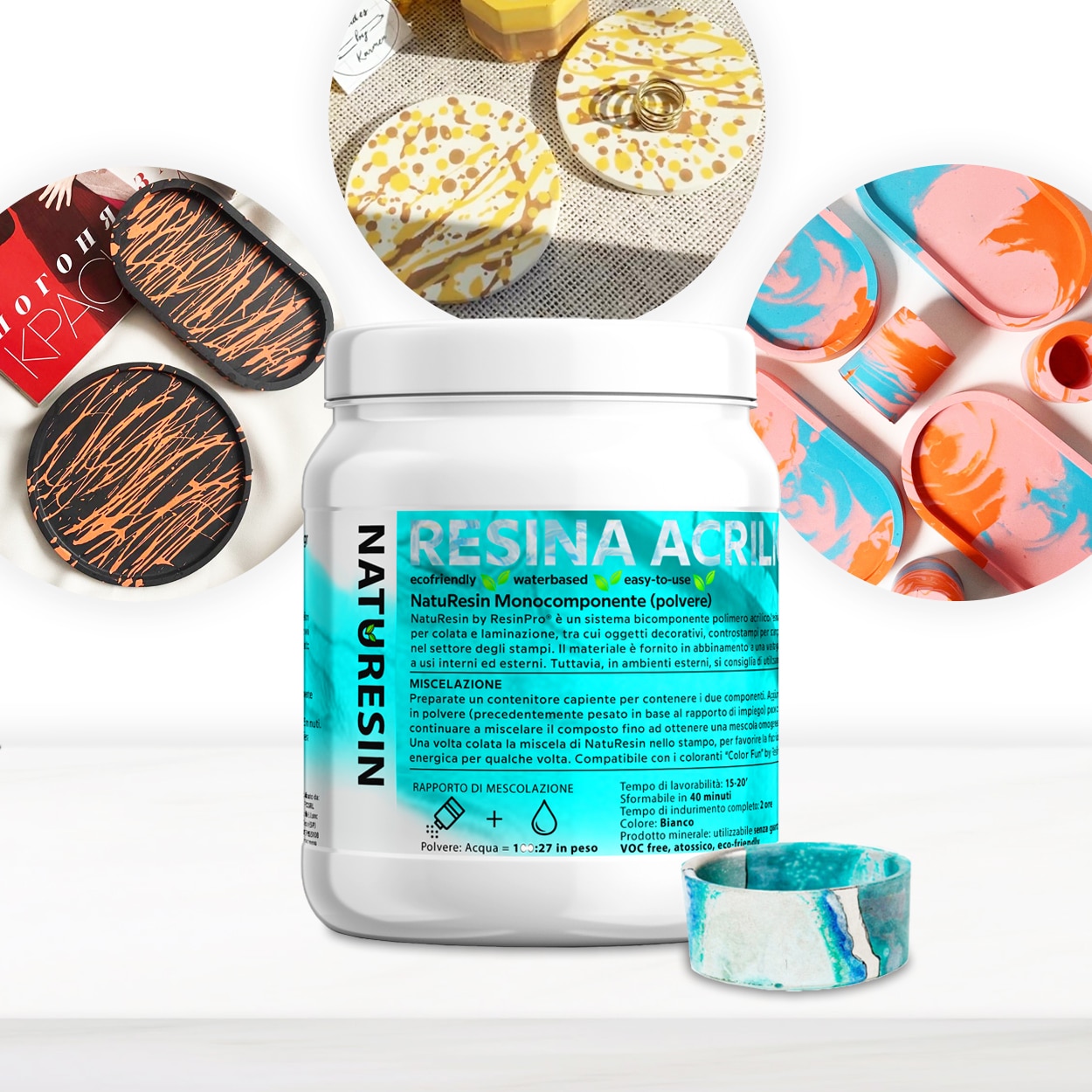
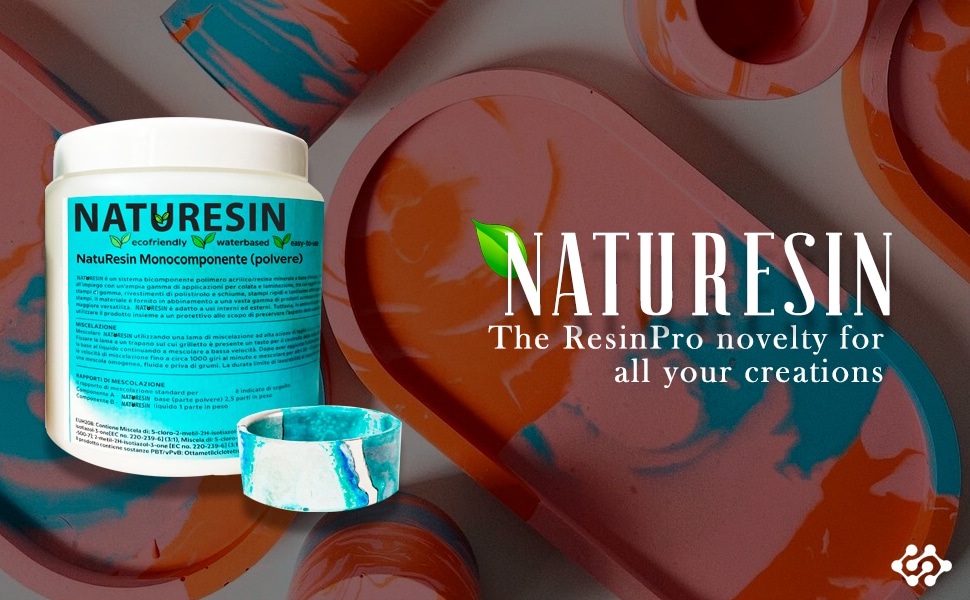
NatuResin provides a modern, eco-friendly take on traditional resin pellets by using a single-component mineral formula. Mixed simply with water, it removes the need for chemical additives and is completely VOC-free and solvent-free, making it safe even without gloves. NatuResin cures to a ceramic-like hardness, suitable for both indoor and outdoor decor, and can be easily customised with pigments and paints after curing. This makes it ideal for crafters, artists, and anyone seeking a safer alternative to traditional epoxy or pellet-based resins.
“Resi-Blast” – Cell Effect Additive for Resin Art, 25ml
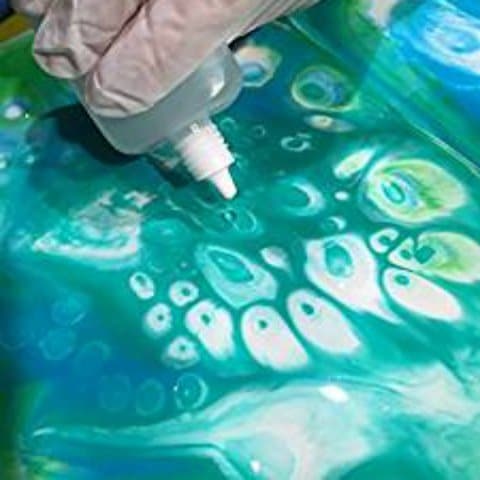
While not a resin pellet, Resi-Blast is a liquid additive commonly used alongside resin systems. Its primary function is to create captivating cell effects within resin artworks. Easily dropped into or onto still-liquid resins—whether epoxy, polyurethane or polyester—Resi-Blast triggers blooming patterns and intricate decorative effects. The non-toxic, solvent-free nature makes it suitable for a wide range of creative environments, perfectly complementing both pellet-based and contemporary water-activated mineral resins.
“IWhite” – Polyurethane Casting Resin – White, Fast-Curing Two-Part System
IWhite offers a two-component polyurethane approach, contrasting traditional epoxy pellets by emphasising speed and detail. With a high-fluid formulation, it fills intricate moulds easily and cures within approximately 30 minutes, making it an excellent choice for rapid prototyping, model making, and detailed castings. Polyurethane systems like IWhite are essential for users demanding fast turnaround and fine reproduction without sacrificing durability or finish. The resin can be coloured in its liquid state or painted after cure, combining versatility with function.
“Coasters” – Creative Kit with Mineral Resin and Silicone Mould
The Coasters Creative Kit illustrates an accessible method using water-based mineral resin—an alternative to the conventional pellet system. This all-in-one kit includes 1kg of mineral resin, five pigments, and a silicone mould. It delivers a fast, low-odour process: simply mix resin with water, add colours, pour into moulds, and demould within an hour. The matte, ceramic-like finish is ideal for modern homeware and gifts, demonstrating how sustainable mineral resin technology can open creative possibilities beyond industrial pellets.
Tips for Choosing the Right Resin for Your Project
Selecting the best resin type greatly depends on your specific application, finish preference, and safety considerations. For eco-conscious projects, mineral resins like NatuResin provide a safe, easy-to-handle alternative to pellets. Those seeking advanced decorative effects may wish to enhance their resin with additives such as Resi-Blast. For detailed moulds or rapid prototyping, fast-setting polyurethane resins offer an efficient solution. Creative starter kits, which use pre-formulated mineral resins, provide a beginner-friendly approach to home crafting and personal projects.
Selecting Resins for Craft and Industry
Project requirements should guide resin selection—consider speed of cure, finish, and safety profile. For rapid projects and intricate moulds, fast-setting polyurethane may be ideal, while mineral resins benefit eco-friendly or indoor crafts due to their non-toxic, water-activated nature.
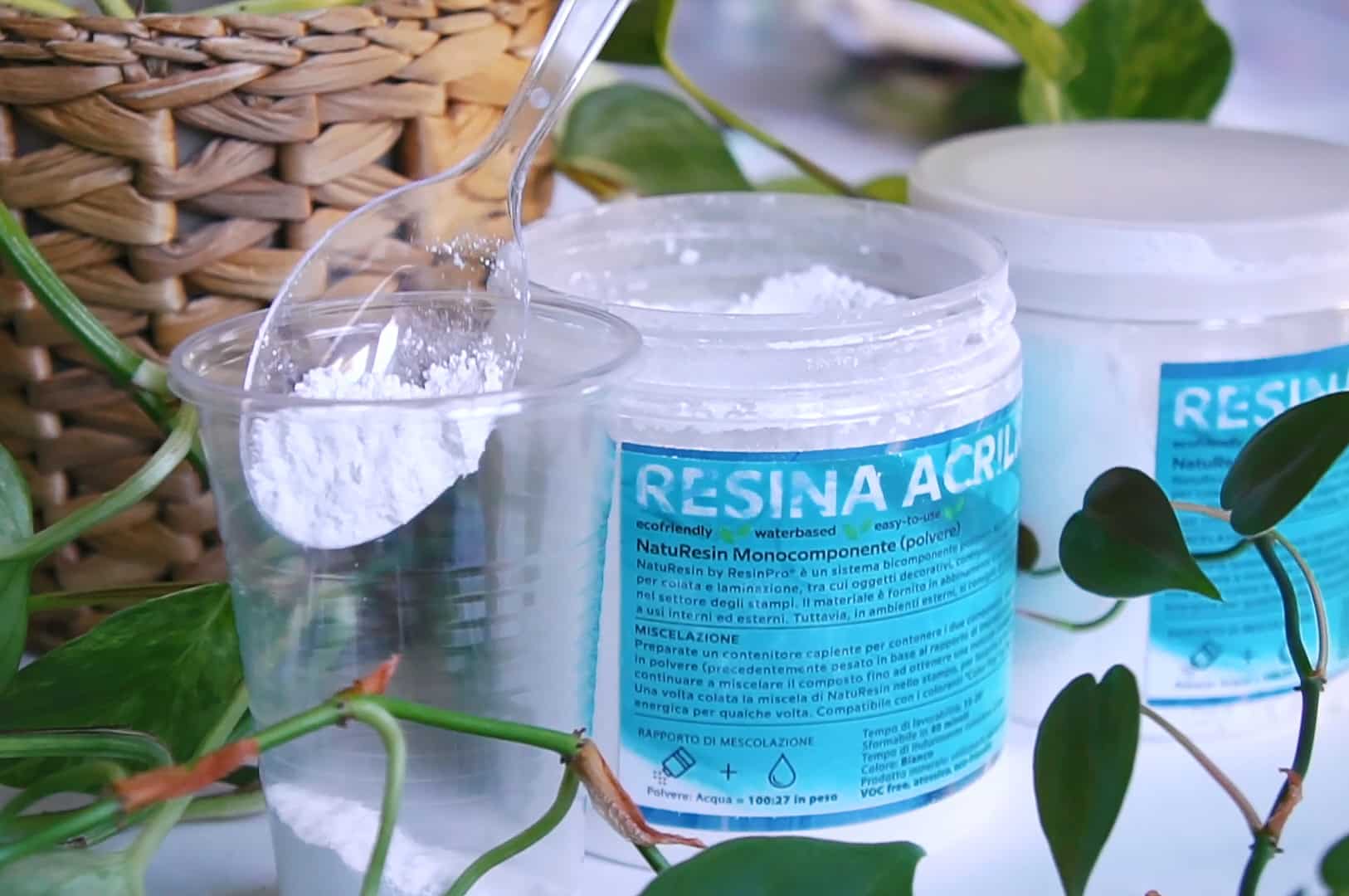
- “NatuResin” – Mineral Resin & Water System for Creative Casting and CraftsPrice range: £18.95 through £104.95NatuResin is a mineral resin system mixed with water, suitable for creative casting projects like coasters and decorative items.
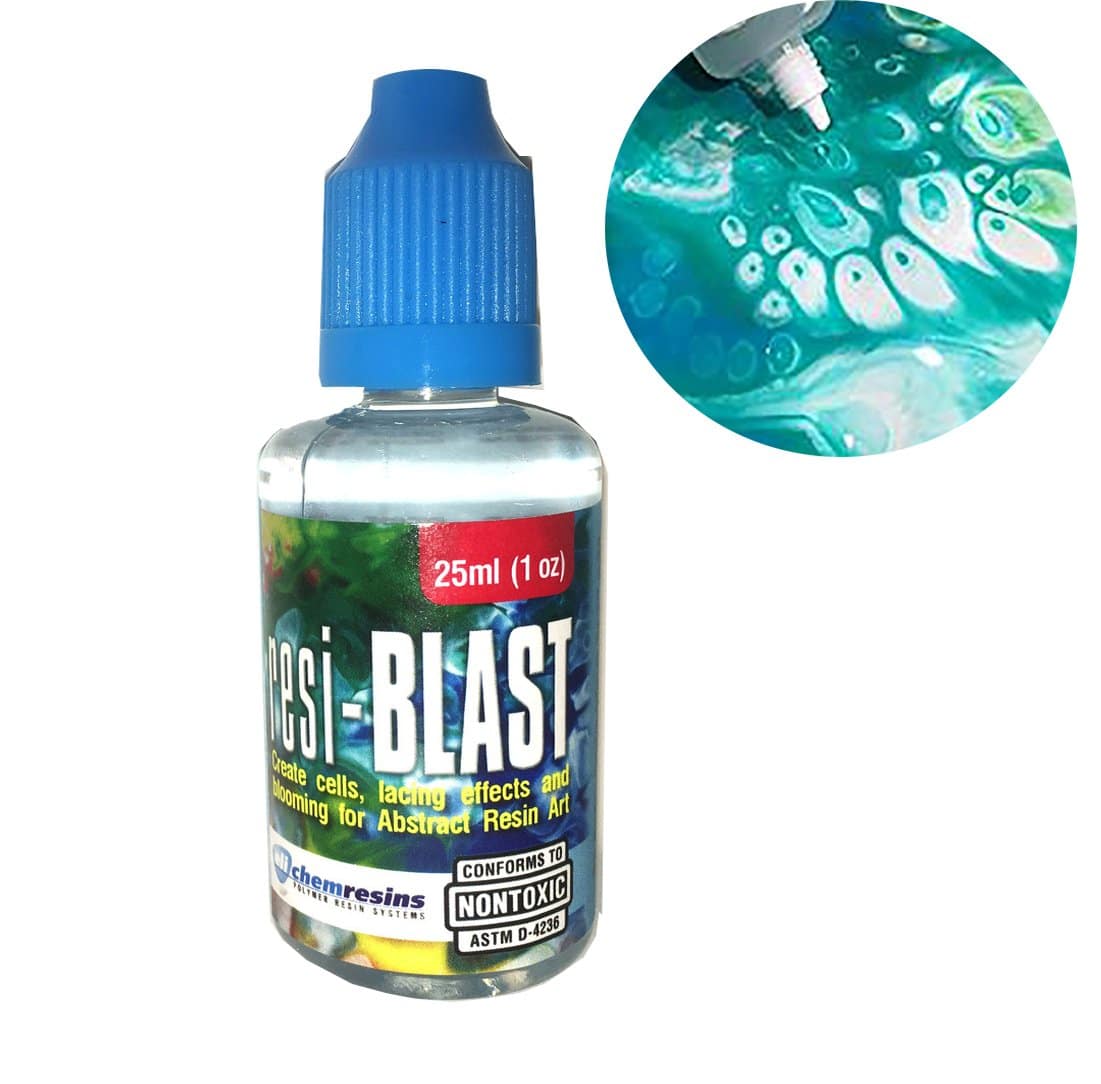 "Resi-Blast" – Cell Effect Additive for Resin Art, 25ml£21.95"Resi-Blast" is a liquid additive designed for resin art to create cell effects and decorative patterns in epoxy projects.
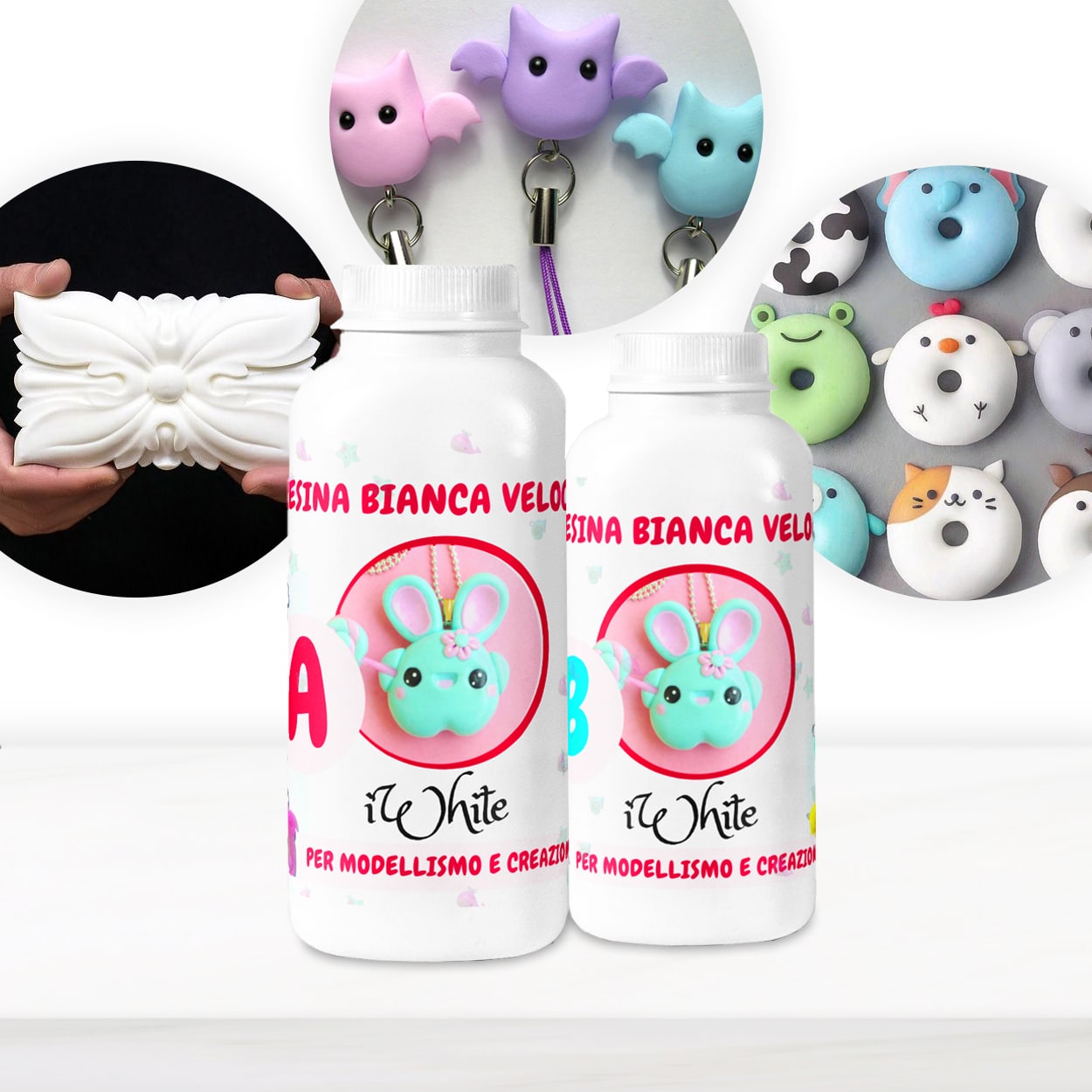 “IWhite” – Polyurethane Casting Resin – White, Fast-Curing Two-Part SystemPrice range: £24.00 through £36.95IWHITE White Polyurethane Casting Resin is a fast-curing, fluid two-part polyurethane resin suitable for detailed prototyping and craftwork.
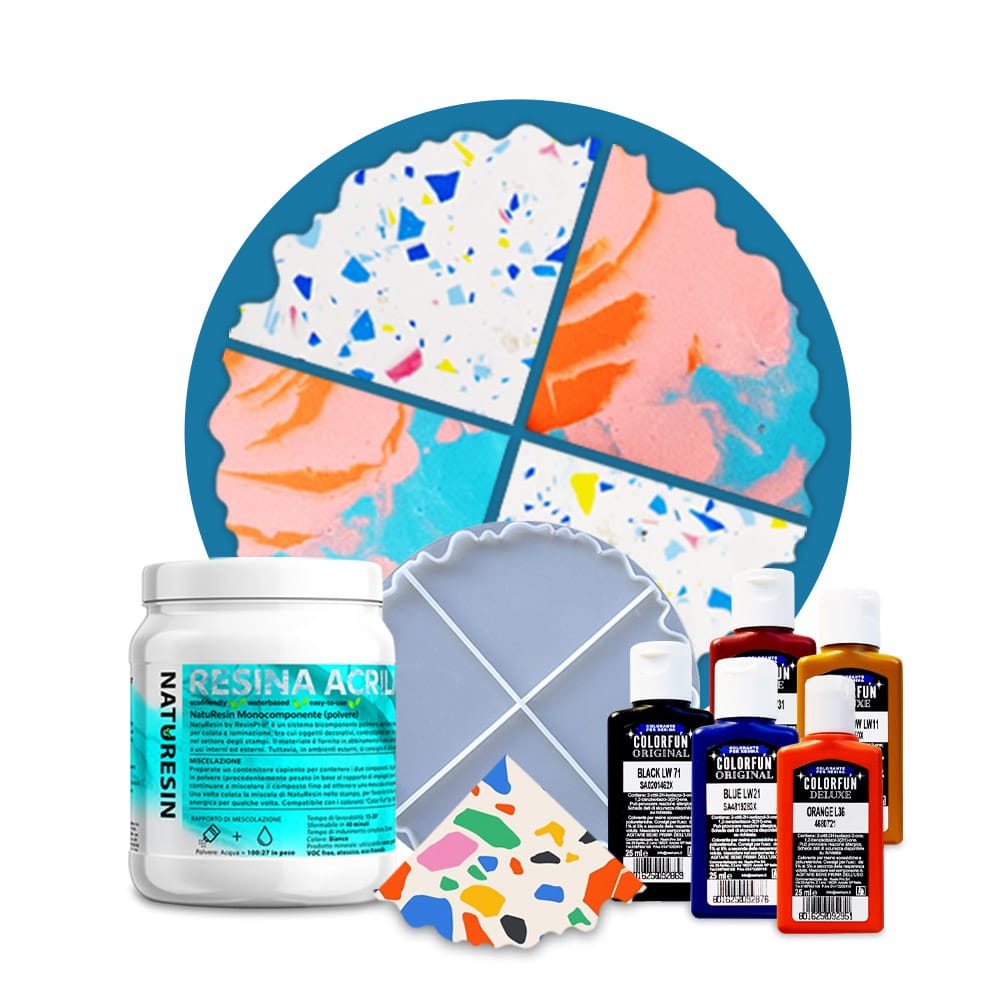 "Coasters" – Creative Kit with Mineral Resin and Silicone Mould£40.95Create custom coasters with an eco-friendly mineral resin kit offering a matte, natural stone-like finish.
Frequently Asked Questions
What are resin pellets?
Resin pellets are small beads created by polymerising raw materials. They serve as a standard form for manufacturing and hobbyist casting.
How do mineral resins differ from epoxy pellets?
Mineral resins are water-based, odourless, and VOC-free, while epoxy pellets are typically solvent-based and may require more safety precautions.
Can you use resin pellets for art?
Yes, resin pellets are often melted or mixed for art projects, but contemporary mineral resins offer simpler, safer alternatives.
Are mineral resins safe for indoor use?
Yes, mineral resins like NatuResin are VOC- and solvent-free, making them suitable for use in home or classroom environments.
What’s the difference between polyurethane and epoxy resins?
Polyurethane resins cure more quickly and are often used for fast casting; epoxy resins may offer different working times and finishes.
Can resin pellets be coloured or customised?
Yes, both pellets and mineral resins can be coloured during mixing or painted after curing for creative flexibility.