 Free shipping on orders over £29,85
  Shipping Tracking!


 Google
 Facebook
How are wood-effect resin floors installed?
Achieve the authentic wood look with resin floor installation steps

Wood-effect resin floors offer the warmth and visual appeal of timber with the resilience, easy maintenance, and seamless finish of resin. Whether you’re installing in a modern home or a high-traffic commercial environment, getting the natural look with robust performance is possible with the right approach. This guide walks you through each stage of achieving a professional wood-effect resin floor, from surface preparation to flawless finishing touches.
What You’ll Need
- “Epoxyprimer” – Universal Water-Based Two-Component Epoxy Floor Primer – for priming concrete, screed or timber subfloors
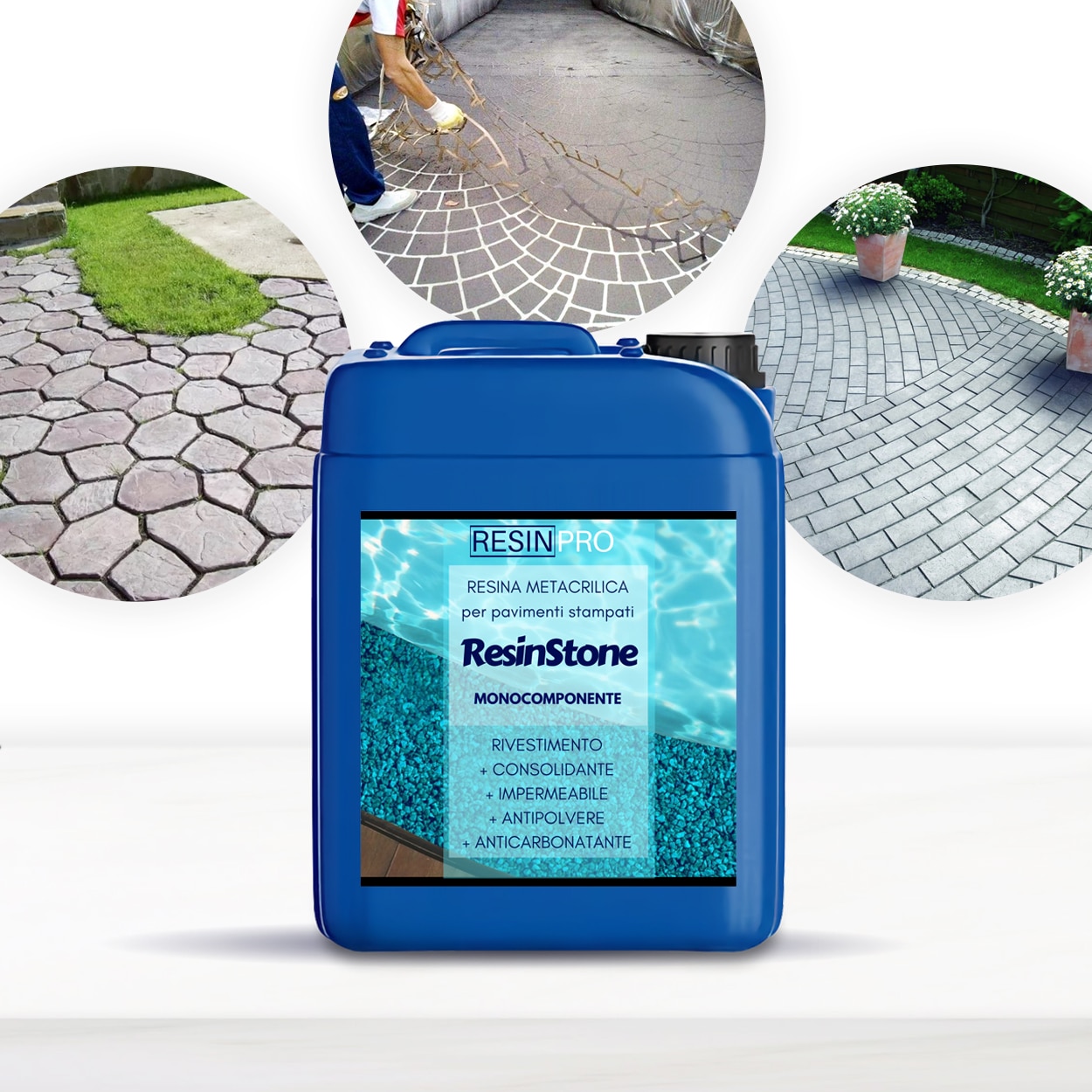
- “Resinstone” – One-Component Methacrylic Resin for Concrete Floors and Driveways – for sealing and finishing concrete-based surfaces
- “EpoxyWood” – Wood Restoration Epoxy Resin for Deep Penetration and Waterproofing – for repairing or stabilising wooden substrates
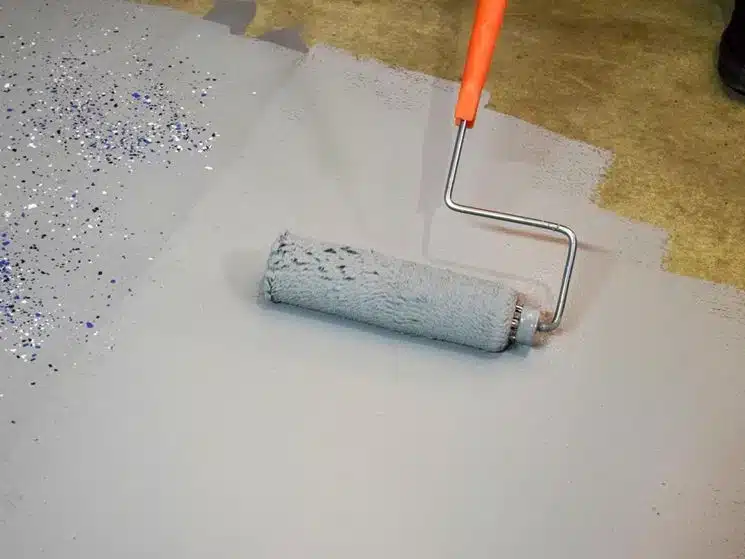
- Resin & Paint Application Rollers – Short-Pile, Large, and Sponge Types – for uniform resin application and self-levelling finishes
- Quality release agent or demoulding wax (optional, for pattern stamps)
- Protective gloves, mask and overalls
- Measuring and mixing tools
- Fine sandpaper and cleaning materials

Visual Inspiration: Wood-Effect Resin Floors
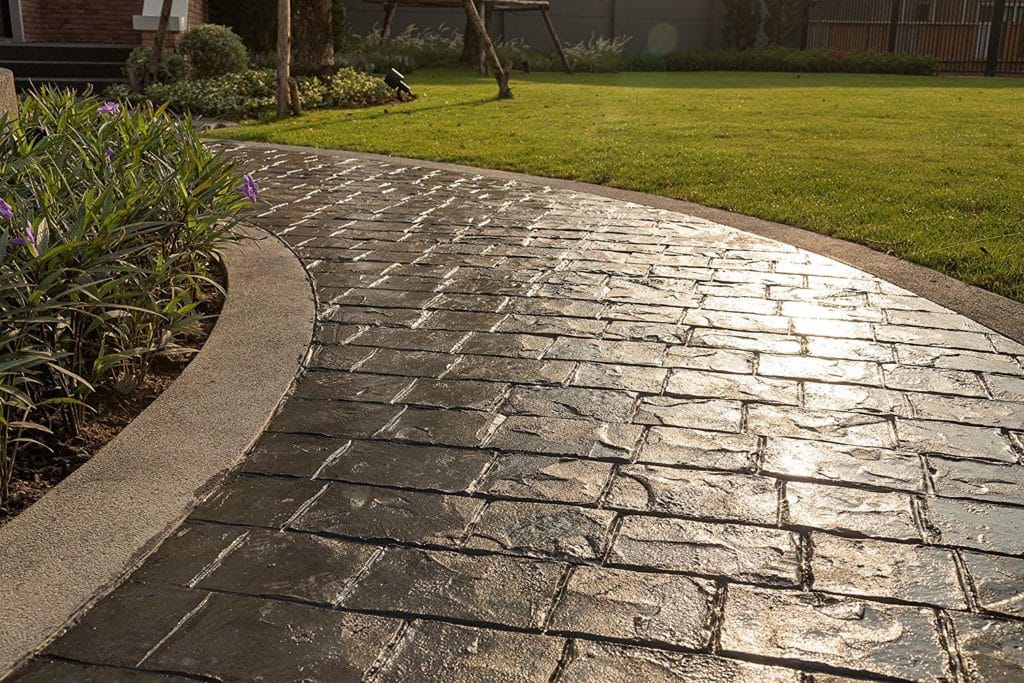
See examples of stunning wood-effect resin installations and get inspired by the seamless grain textures you can achieve. Notice the subtle colour variations and realistic wood patterns—made possible by careful use of rollers, stamp mats, and precision resin tools from ResinPro’s range.
Step 1: Assess and Prepare the Substrate
Start by examining the surface where your wood-effect resin floor will be installed. The substrate must be clean, structurally sound, and level—free from oil, dust, loose particles, and moisture. For timber, sand lightly, repair any cracks, and vacuum to remove all residues. For concrete, fill holes and cracks, and let new screeds cure fully. Ensure the substrate is stable and dry to prevent future adhesion or moisture problems. If you’re working on wooden floors, using a deep-penetrating, waterproofing product is ideal.
For this, “EpoxyWood” – Wood Restoration Epoxy Resin for Deep Penetration and Waterproofing can help reinforce the timber and protect it against moisture ingress before the resin layers are installed.

Step 2: Prime the Surface for Optimum Bond
Priming is critical as it ensures the resin floor has maximum adhesion and durability. Apply the appropriate primer uniformly across the substrate, using a roller or brush. Always follow product-specific mixing ratios and allow the correct curing time (typically 24–48 hours for floor primers) before progressing to resin application. For a wide range of substrates, including timber and screed, “Epoxyprimer” – Universal Water-Based Two-Component Epoxy Floor Primer is formulated to maximise bonding strength and provide a stable, versatile base layer.
Step 3: Create the Wood-Effect Layer
After the primer has cured, it’s time to apply your main resin coat and create the desired wood grain effect. Mix the decorative resin according to manufacturer instructions and pour or spread evenly across the surface. For realistic wood patterns, use wood-effect stamp mats with release agents, or hand-tool the surface for custom texture while the resin is still workable.
Rollers are essential here for spreading resin smoothly and reaching all edges. Resin & Paint Application Rollers – Short-Pile, Large, and Sponge Types offer options for both large areas and detailed finishing. Avoid puddling and uneven application to maintain a consistent, natural look.
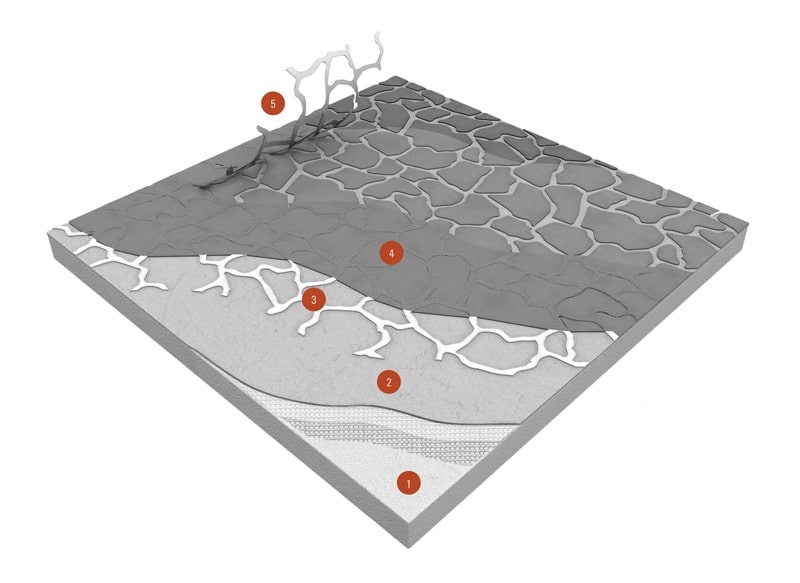
Step 4: Seal and Protect the Wood-Effect Finish
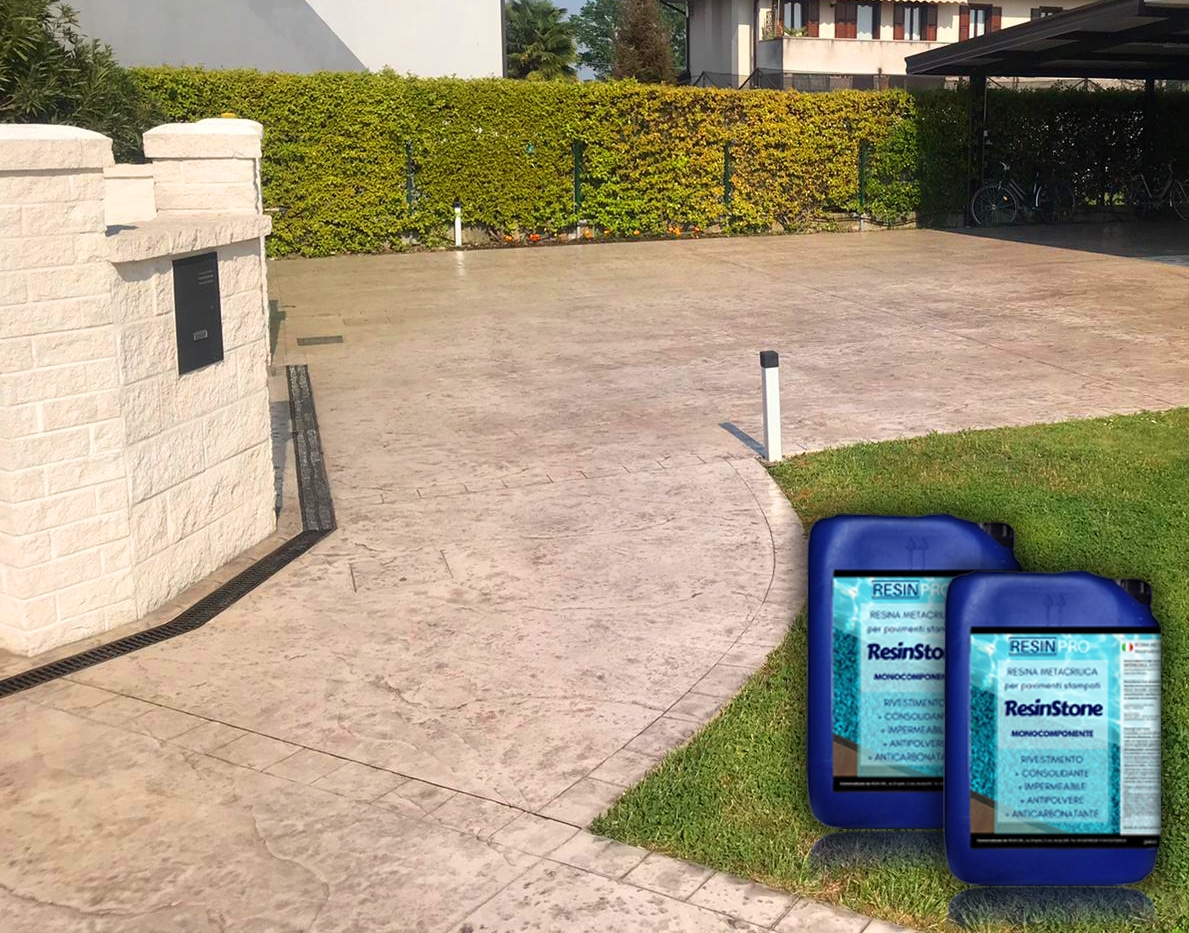
Once the wood-effect design is in place and lightly set, seal the floor to enhance its durability. Use a suitable final topcoat resin to protect against wear, moisture, and UV exposure. For stamped concrete or resin floors, “Resinstone” – One-Component Methacrylic Resin for Concrete Floors and Driveways is ideal for waterproofing and safeguarding high-traffic surfaces.
Allow the topcoat to cure fully before using the floor—curing times vary, so check the product label. Proper curing is key to lasting floors and will guarantee resistance to heavy use and cleaning products.
Tips & Common Mistakes When Installing Wood-Effect Resin Floors
Work in a well-ventilated area and use personal protective equipment throughout the installation. Always mix two-component products thoroughly to ensure the correct chemical reaction—undermixed primer or resin can result in weak spots. Watch for temperature and humidity changes that may affect curing or application speed. Take extra care to create neat transitions at doors and edges.
If working with stamp mats, ensure they’re clean and coated with adequate release agent to prevent sticking. If you see bubbles after the final coat, use a spiked roller while the resin is still fresh to help release trapped air. Troubleshooting early can prevent the need for costly reworks later.
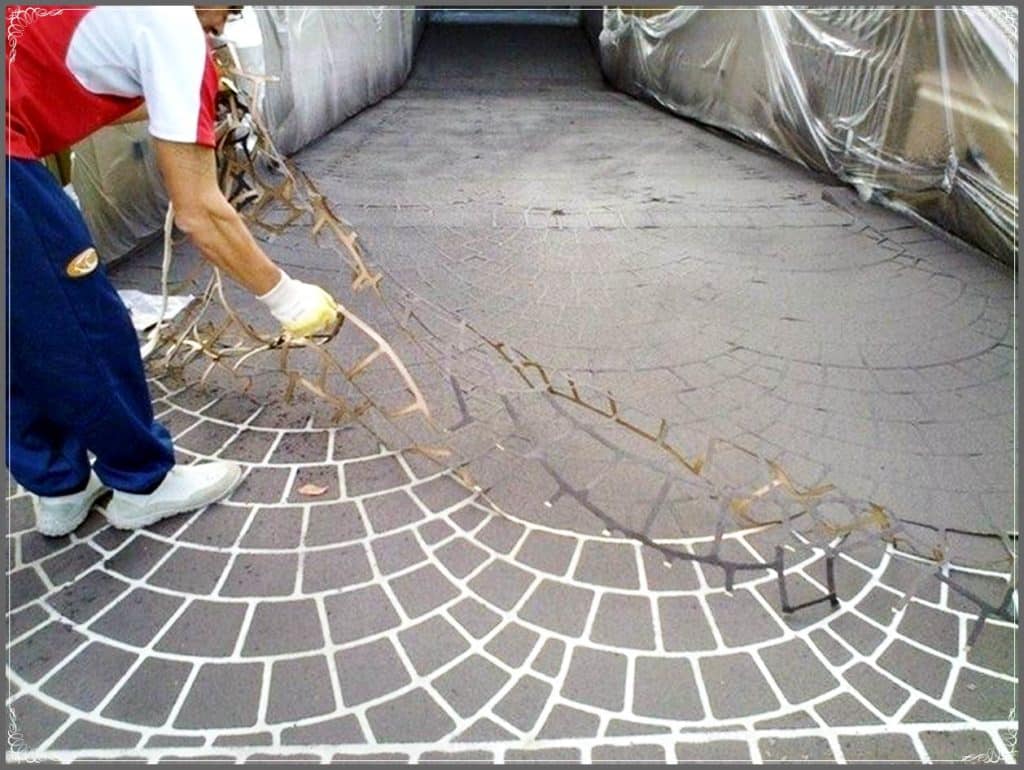
Material Handling in Wood-Effect Resin Flooring
Always store epoxy resins and primers in dry, temperature-controlled spaces until use. Before application, check mixing ratios and substrate compatibility. Using the correct product for each installation stage ensures optimal floor strength, adhesion, and wood-effect realism.

- "Epoxyprimer" – Universal Water-Based Two-Component Epoxy Floor PrimerPrice range: £156.45 through £286.45Epoxyprimer is a water-based two-component epoxy floor primer designed for reliable adhesion on concrete, wood, tiles and screeds.
- "Resinstone" – One-Component Methacrylic Resin for Concrete Floors and DrivewaysPrice range: £36.71 through £336.48"Resinstone" is a one-component methacrylic resin designed for sealing and protecting concrete floors and driveways with deep penetration and…
- Resin & Paint Application Rollers – Short-Pile, Large, and Sponge TypesPrice range: £3.62 through £5.09Rollers designed for epoxy resin applications provide precision and even coverage suitable for various resin surfaces.
 "EpoxyWood" – Wood Restoration Epoxy Resin for Deep Penetration and WaterproofingPrice range: £27.95 through £41.95"EpoxyWood" is a wood restoration epoxy resin formulated for deep penetration and waterproofing of wooden surfaces with an aesthetic finish.
Frequently Asked Questions
Which primer should I use for wood and concrete floors?
A universal water-based epoxy primer such as Epoxyprimer is suitable for both wood and concrete substrates.
Can I install resin floors indoors?
Yes, odourless, eco-friendly primers and resins are available for safe indoor resin floor installation.
How long should I wait between each installation step?
Allow primers to cure for 24–48 hours, and always follow the drying times on your chosen resin product.
What if bubbles appear in the resin finish?
Use a spiked roller on the fresh resin layer to remove trapped air for a smooth, bubble-free surface.
Is a topcoat essential for resin floors?
Yes, applying a topcoat protects the wood-effect floor from abrasion, moisture, and UV exposure.
Can I repair scratches or chips in a resin floor?
Minor scratches can be sanded and recoated, while deeper chips may require spot application of resin.