 Free shipping on orders over £29,85
  Shipping Tracking!


 Google
 Facebook
← Back to How do you use anchoring resin on the bars?
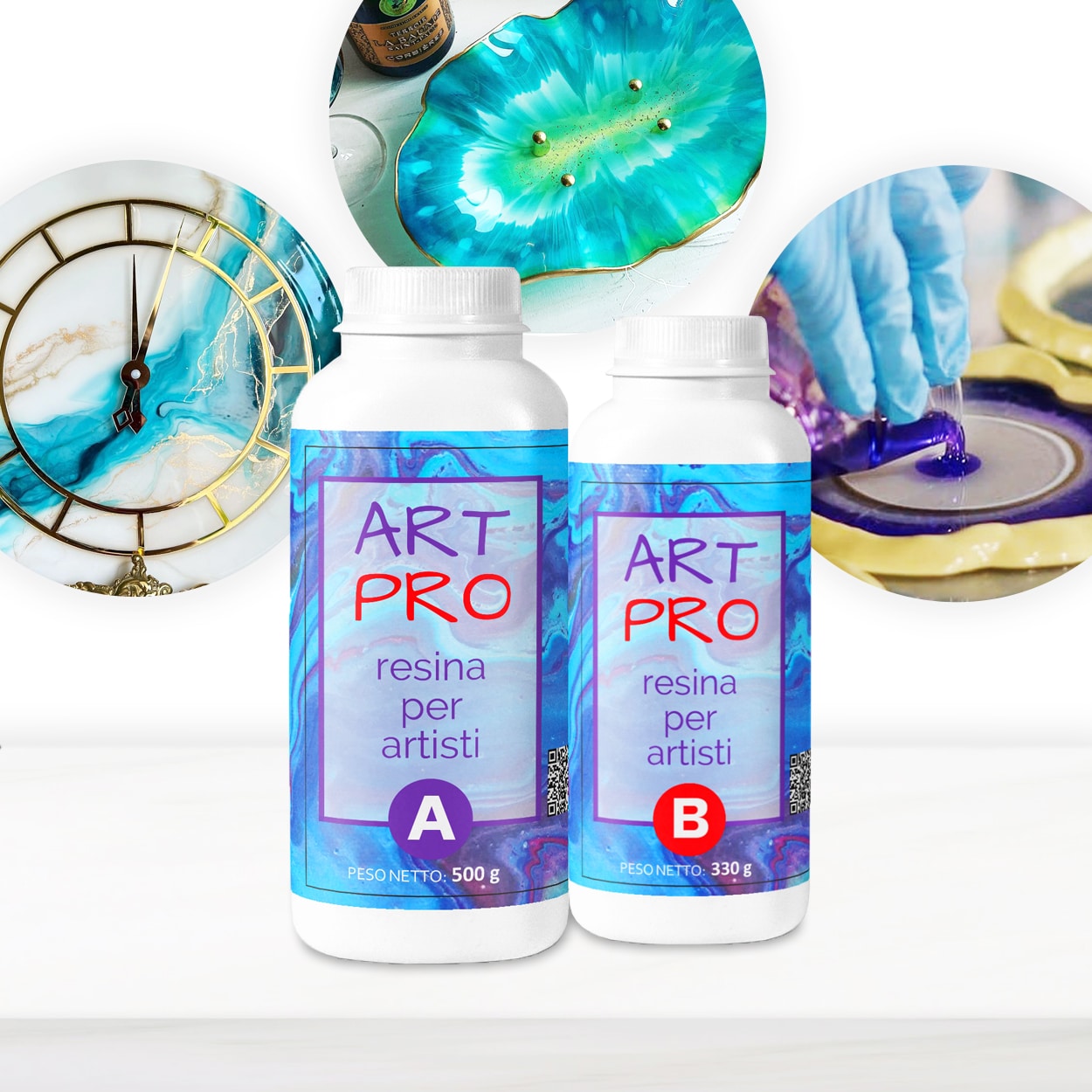
Air bubbles can compromise the appearance and strength of your anchoring resin applications. Here’s how to achieve a clean, clear finish on every project.
Mixing and Pouring Techniques
To minimise the risk of air bubbles, always mix your resin slowly and steadily. Fast mixing can trap air inside, so use a gentle, circular motion and scrape the sides and bottom of your container. When pouring resin over bars, aim for a slow, controlled flow to help trapped air rise and escape naturally.
Bar Insertion and Surface Finishing
Insert the bar using a twisting motion as you lower it into the resin, which helps dislodge bubbles from the surfaces. If any air bubbles appear at the surface, a quick pass with a heat gun or torch can help them break and disappear. However, do not overheat – short, sweeping passes are best.
Guidance on Product Selection
Picking the correct resin is key for easy application and minimal bubbles. For most anchoring tasks, a medium to high viscosity resin such as Art Pro Clear Epoxy Resin offers strong clarity and good flow control. For deep pours, consider products like “EpoxyTable 5-Five” that are formulated to reduce bubbling in thicker layers.
When Air Bubbles Matter Most
- Anchoring in visible or decorative areas, where a flawless finish is important
- Projects where structural strength relies on resin integrity
- Any deep casting or thick pour applications
Related products
Related guides
Mastering these steps ensures smooth anchoring resin application with minimal bubbles, enhancing both appearance and durability. For more tips on resin anchoring and best practices, visit our complete guide on how to use anchoring resin on the bars.