 Free shipping on orders over £29,85
  Shipping Tracking!


 Google
 Facebook
How can epoxy residues be removed?
Step-by-step guide for residue removal on multiple materials

Epoxy resin offers strength and versatility but removing any leftover residues can be challenging. This guide takes you through reliable, practical methods to help you safely and effectively remove epoxy residues from different surfaces, whether you are a DIY enthusiast or a professional. Follow these steps for cleaner, more polished results every time—no matter the project size.
HERO_GALLERY
What You’ll Need
- Strong Technical Degreaser for Resin Projects – 100% Natural Formula – 100% natural, solvent-free cleaner for gentle, safe residue removal
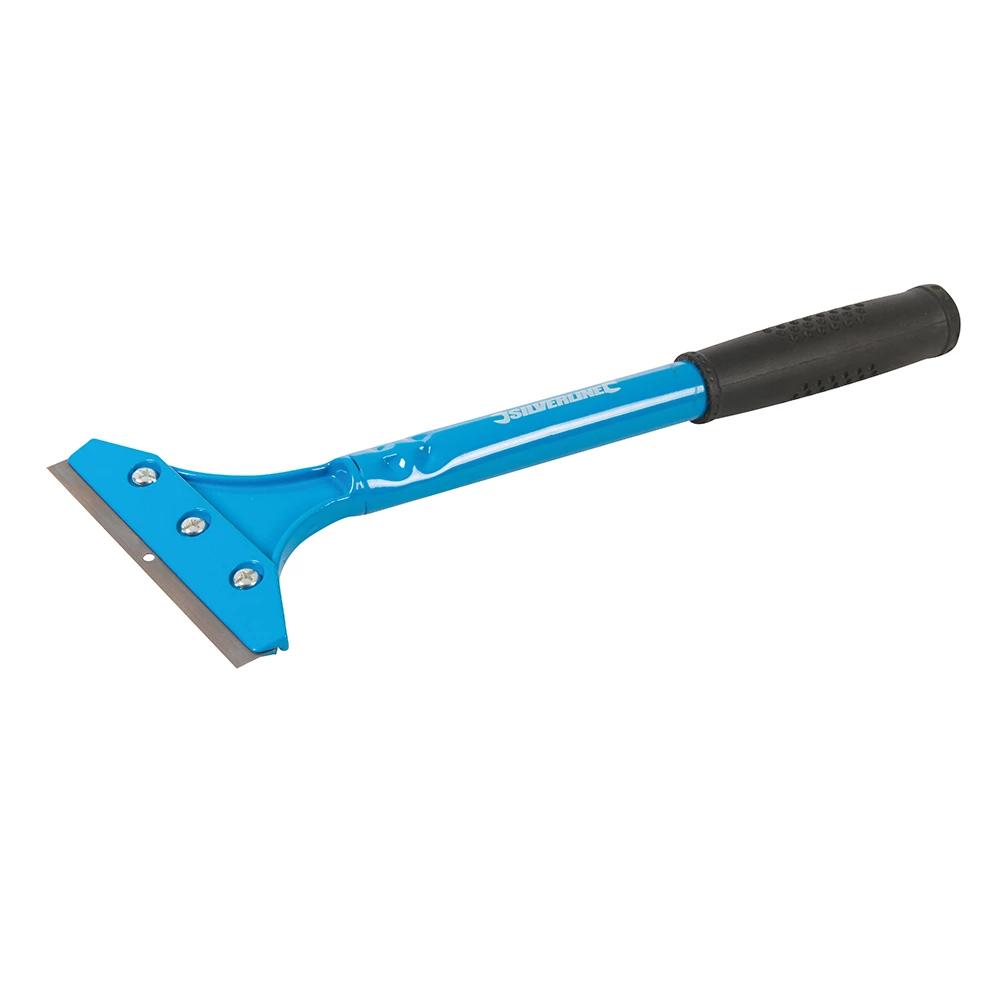
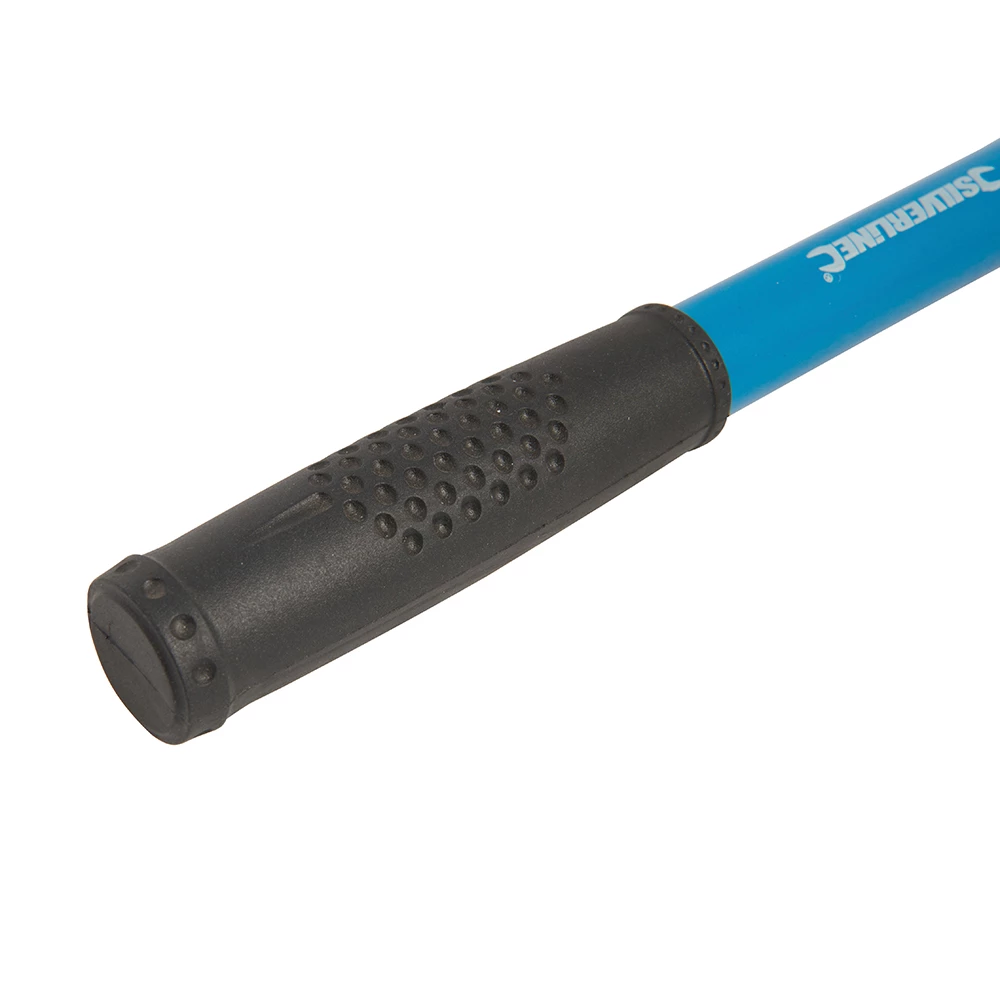
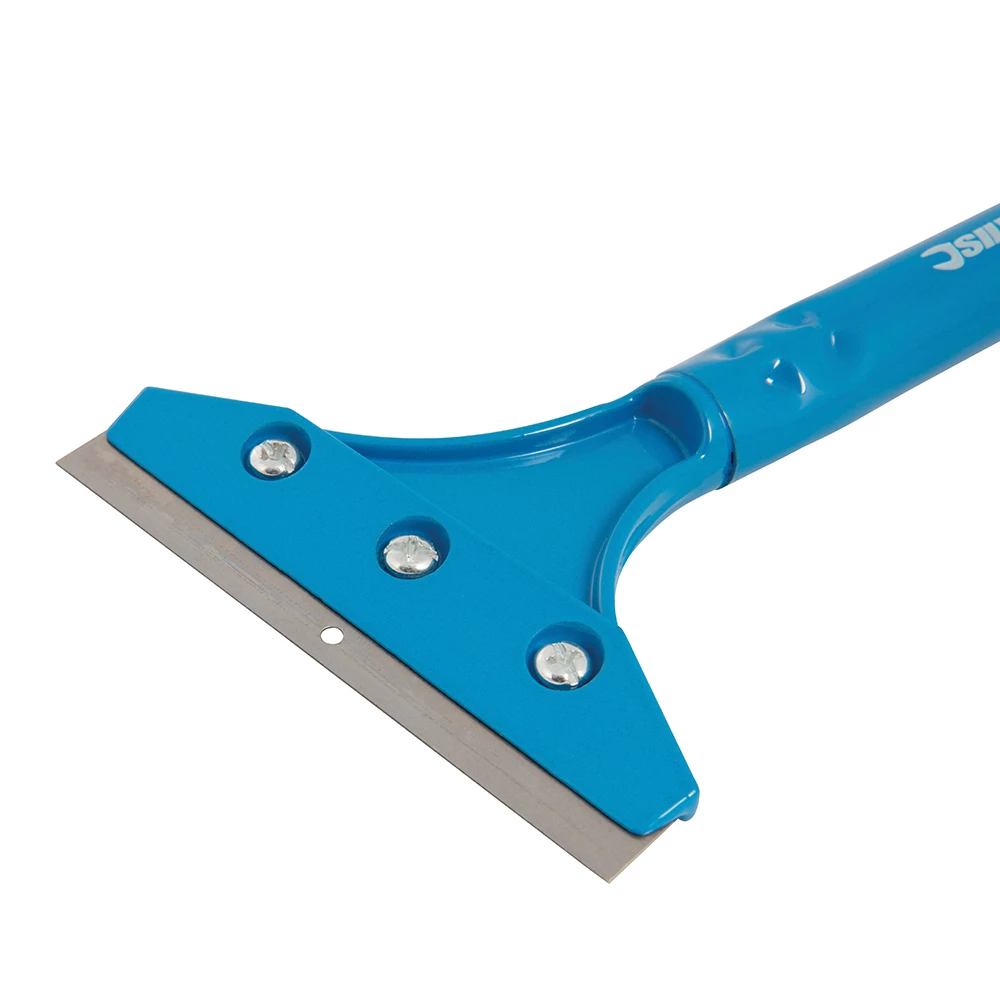
- Heavy Duty Scraper for Paint and Epoxy Resin Removal – Manual tool for tough, hardened epoxy on larger surfaces
- Pure Isopropyl Alcohol 99.9% – 1000ml Bottle for Epoxy Resin Projects & DIY – For chemical-assisted residue breakdown and tool cleaning
- Scraper for Paint & Dry Resin Removal – 10 Double-Sided Blades – Detailed scraping and finishing on smooth materials
- Lint-free cloths, disposable gloves, and a container for waste material
See Epoxy Residue Removal in Action
Watch our cleaning methods bring even stubborn resin residues to a spotless finish using both manual and chemical approaches. These techniques suit a variety of surfaces—from glass and ceramics to worktop laminate. Notice how each step brings you closer to a perfectly clean result without damaging your underlying materials.
Step 1: Assess the Type and Location of Residue
Begin by determining whether the epoxy residue is fresh, partially cured, or fully hardened. Fresh or sticky deposits are usually easier to deal with, while hardened resin may require manual or chemical intervention. Consider the substrate—glass, metal, ceramics, or plastics may respond differently to each cleaning approach. Always test on an inconspicuous area first to ensure compatibility and prevent damage.


Step 2: Loosen and Remove Hardened Epoxy Mechanically
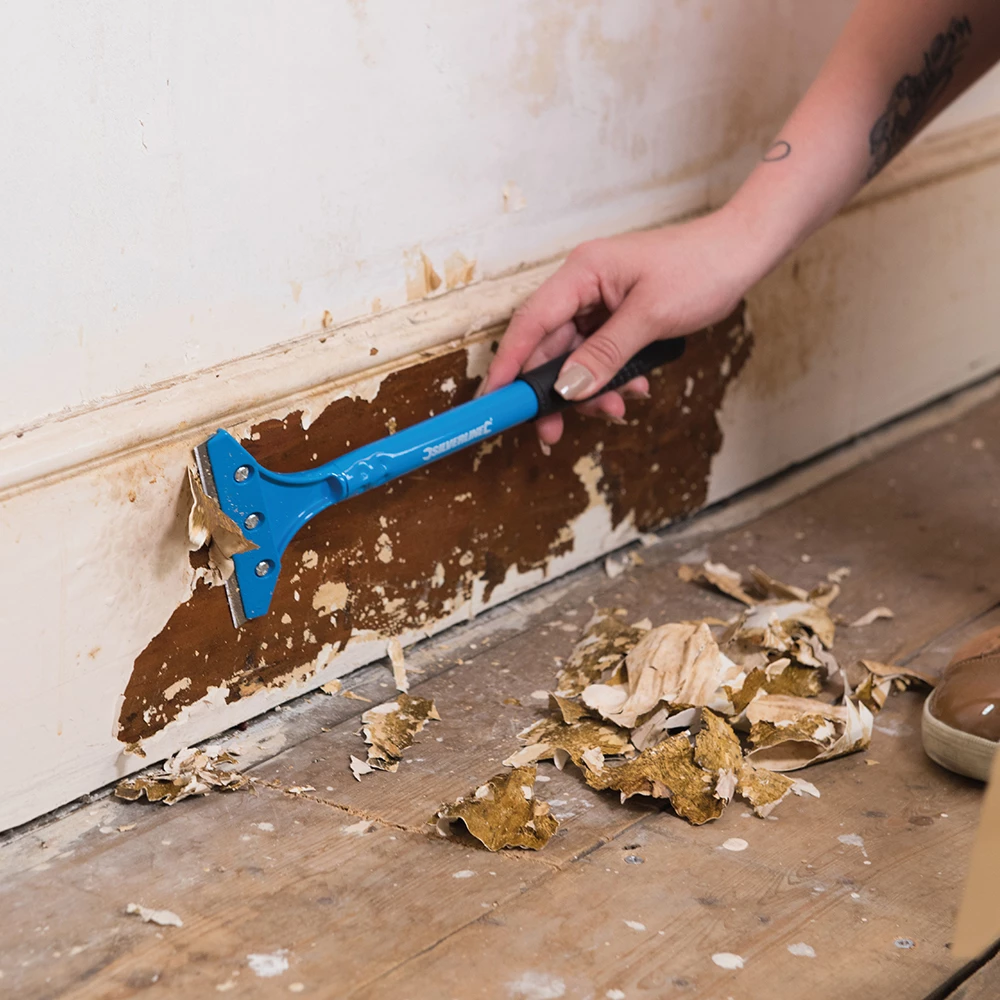
For cured or stubborn residues, manual scraping is often required. Hold a Heavy Duty Scraper for Paint and Epoxy Resin Removal or a Scraper for Paint & Dry Resin Removal – 10 Double-Sided Blades at a low angle and carefully work under the edge of the residue. Use slow, steady strokes to lift resin without gouging the underlying surface. Work gently, especially on delicate surfaces such as glass or coated panels.
Clean the blade frequently to prevent drag or scratching. For precise edges and corners, a narrower scraper or a blade with a new edge is most effective.
Step 3: Apply Chemical Solutions to Break Down Remaining Residues
If traces remain after mechanical removal, move to a chemical approach. Moisten a lint-free cloth with Pure Isopropyl Alcohol 99.9% – 1000ml Bottle for Epoxy Resin Projects & DIY and gently dab the area. For more stubborn or greasy residues, the Strong Technical Degreaser for Resin Projects – 100% Natural Formula can safely break the bond on a wider range of surfaces.
Allow chemicals to dwell briefly—do not rush. After a minute or two, gently wipe away softened residues. Repeat as needed, always ventilating the work area and wearing gloves for safety.


Step 4: Final Cleaning and Safe Finishing
When most of the residue is removed, finish by wiping the area with a clean, dry cloth. For extra shine or to remove any smears left by cleaners, a fresh pass with isopropyl alcohol can help. Examine the surface for any remaining spots and repeat previous steps if required.
Dispose of residues safely and responsibly according to your local waste regulations, particularly for chemical-soaked cloths and removed resin particles.
Tips and Common Mistakes to Avoid
Avoid using excessive force, which may scratch or otherwise damage base materials. Never mix cleaning agents together. For sensitive items, opt for manual removal before introducing chemical cleaners. Keep blades sharp for reduced risk of accidental slips and maintain good ventilation throughout.
Patience is key—let solvents work before agitating, and remember that gentle repetition is better than aggressive scrubbing. If in doubt about a surface, always consult manufacturer guidelines before proceeding.

Before-and-After Examples
Visual progression of epoxy residue removal shows the dramatic improvement achieved through careful manual and chemical cleaning. Inspect the details in each stage—from heavy residue to pristine surfaces—so you can confidently tackle your own projects.
- Strong Technical Degreaser for Resin Projects – 100% Natural FormulaOriginal price was: £10.95.£9.45Current price is: £9.45.Strong Technical Degreaser is designed for safe and natural cleaning of epoxy resin and various surfaces under the theme of removing epoxy residues.
- Heavy Duty Scraper for Paint and Epoxy Resin Removal£8.95The Heavy Duty Scraper is a versatile tool designed for effective removal of paint and epoxy residues with ease.
- Pure Isopropyl Alcohol 99.9% – 1000ml Bottle for Epoxy Resin Projects & DIYPrice range: £10.45 through £20.95Pure Isopropyl Alcohol 99.9% is suitable for epoxy resin projects, removing bubbles and aiding creative effects in resin art.
- Scraper for Paint & Dry Resin Removal – 10 Double-Sided Blades£4.95The Scraper is designed for removing paint and dry resin from smooth surfaces with easy blade changes and safe storage.
Frequently Asked Questions
How do I remove hardened epoxy from glass or metal surfaces?
Start by gently scraping with a suitable scraper, then use isopropyl alcohol or a technical degreaser to soften any traces.
Should I use chemicals or manual tools for epoxy removal?
Begin with a manual scraper for hardened residue. Use chemicals like isopropyl alcohol or degreaser if needed for leftover epoxy.
What is the difference between isopropyl alcohol and degreaser?
Isopropyl alcohol targets resin and bubbles, while degreaser is broader, lifting grease, adhesives, and general contaminants.
How can I avoid scratching the surface while removing epoxy?
Always use a sharp, clean scraper at a low angle and test in a hidden spot. Use chemical softening before aggressive scraping.
What’s the best way to remove soft or tacky epoxy resin?
Absorb as much as possible with a cloth, then wipe with isopropyl alcohol or degreaser until the residue has lifted from the surface.
How should I dispose of epoxy cleaning waste safely?
Collect all resin particles and chemical-soaked cloths, then follow local hazardous waste disposal guidelines for safe handling.