 Free shipping on orders over £29,85
  Shipping Tracking!


 Google
 Facebook
How can I repair scratched or dull surfaces?
Expert solutions for restoring resin, carbon, and wooden items
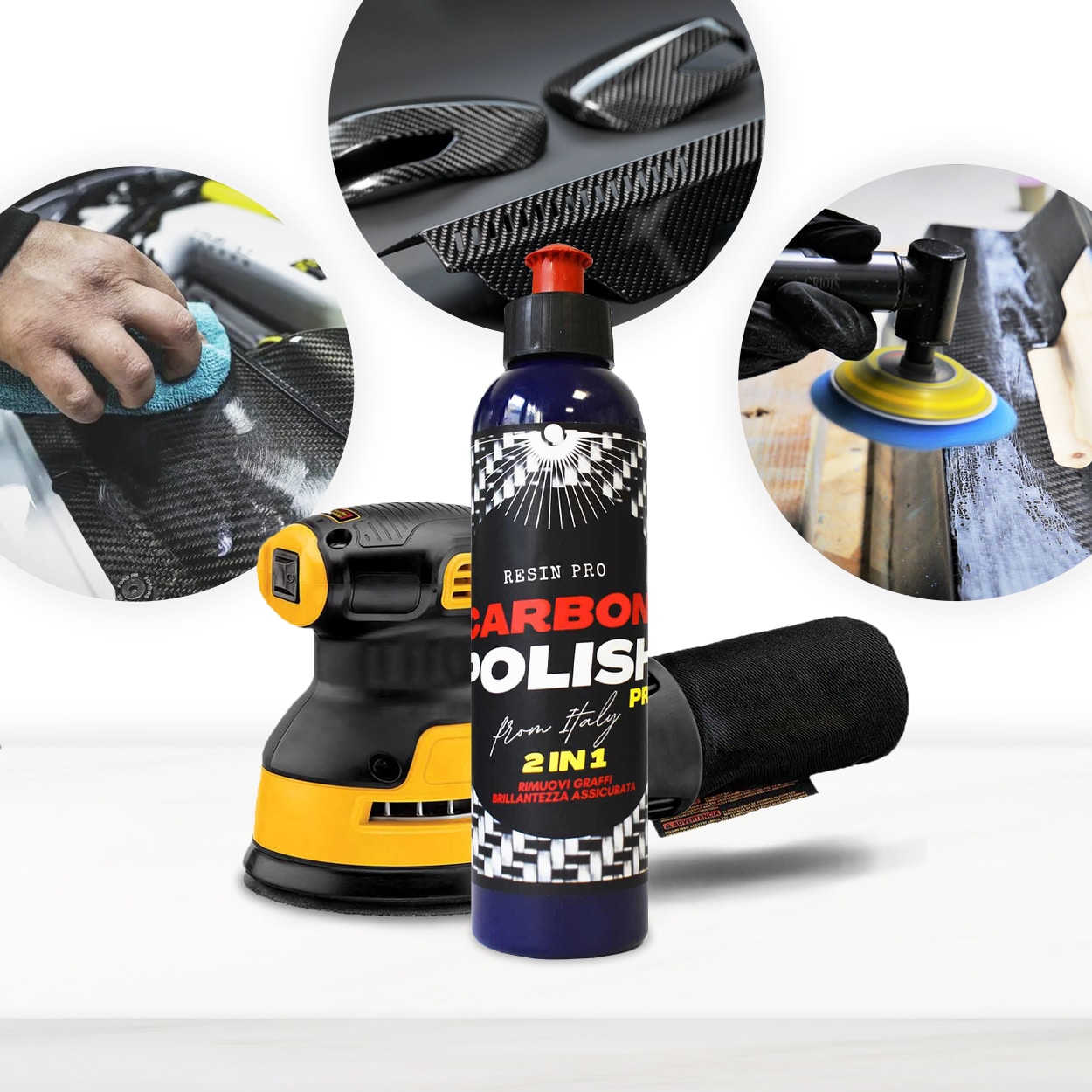

If your resin, carbon, or wood surfaces have become scratched, dull, or lost their original shine, this guide will help you select the right polishing and sanding solutions. Whether you are a resin artist, a DIY enthusiast, or a professional restorer, here you’ll find expert-approved products and advice for achieving a flawless finish every time.
Overview: Comparing Polishing and Sanding Solutions
Restoring a polished finish to scratched or faded surfaces requires the right approach — and, crucially, the right product. The main types of products for this purpose are polishing creams and sanding pads. Polishing systems, such as epoxy or carbon-specific creams, excel at removing fine scratches and restoring gloss. Sanding pads, available in a wide range of grits, allow you to remove deeper blemishes and set the surface up for polishing. Choosing between these depends on your surface material (resin, carbon fibre, wood), the depth of scratches, and the level of finish you require. For black or dark surfaces, be sure to choose a product designed to avoid white residues or streaks.

Surface transformation in action
See the remarkable difference these specialist polishes and sanding pads make when expertly applied to dull, scratched resin and carbon surfaces. Restoration is easier than you think.
“Carbon Polish” – Restore and Shine Dark or Black Surfaces
“Carbon Polish” – Polishing System for Dark and Black Surfaces, 250ml is expertly formulated for carbon fibre, dark resin, and black composite surfaces. Its unique formula eliminates scratches and imparts a brilliant, mirror-like shine without leaving white dots or haze, a common issue with standard abrasive pastes. Easy Application: Apply by hand or with a polisher for quick, impressive results. Special Formula: Odourless, silicone-free, and safe for plastics, ensuring your surfaces are protected during restoration. Eco-Friendly: Enjoy a low environmental impact while achieving professional-grade finishes. This polish is ideal for restoring high-value items, such as motor accessories, dark resin art, or carbon-crafted furnishings, that need a deep, clear gloss.
“Epoxy Polish” – Revitalise Resin Projects with Superior Gloss
For epoxy resin art, tabletops, jewellery, or decorative objects, “Epoxy Polish” – Epoxy Resin Polishing System is your go-to choice. It reliably removes fine scratches and dull spots, and thanks to its Professional-Grade Formula and Anti-Hologram Technology, the surface is left glossy with no swirl marks. It is compatible with resin, carbon fibre, and plastics, and can be used by hand or with a polishing machine for both quick repairs and detailed finishing. This product is especially popular among professional makers and those seeking a vegan, cruelty-free solution. The result is a long-lasting, high-gloss surface suitable for both display and regular use.
“Ebonite Abralon” – Versatile Sanding Pads for Preparation and Detail Work
Meticulous preparation is key to repairing deeper scratches or preparing a surface for a gloss finish. “Ebonite Abralon” – Sanding Pads 360-4000 Grit for Resin and Wood cover a broad range of needs, from initial sanding with coarser grits (for scratch removal) to ultra-fine finishing at 4000 grit. Available in grits from 360 to 4000 for precise sanding, these pads work for both dry and wet sanding on resin, wood, and automotive surfaces. The foam backing ensures consistent surface pressure, preventing accidental gouging or uneven results. Once you’ve sanded up through the finer grades, you can move on to your choice of polishing cream for restoration of gloss.
Tips for Achieving and Maintaining a Flawless Finish
Proper technique is as important as choosing the right product. Begin with a suitably fine sanding pad based on scratch depth, working in stages to finer grits. After sanding, always clean away residue before applying a polish. Use circular motions and moderate pressure for best results, and avoid overworking any single spot. Polishers and pad holders accelerate the process but can be replaced with careful manual polishing for smaller projects. To reduce future surface damage, regularly clean with a microfibre cloth and promptly repair any new scratches. Check the Sanding and Polishing section for all compatible solutions.
Tips for perfect, long-lasting results
Easy Application: Always clean away dust before polishing. Fast Application with the right pad or polisher ensures durable brilliance. Maintain a flawless finish with occasional touch-ups and gentle cleaning of restored surfaces.
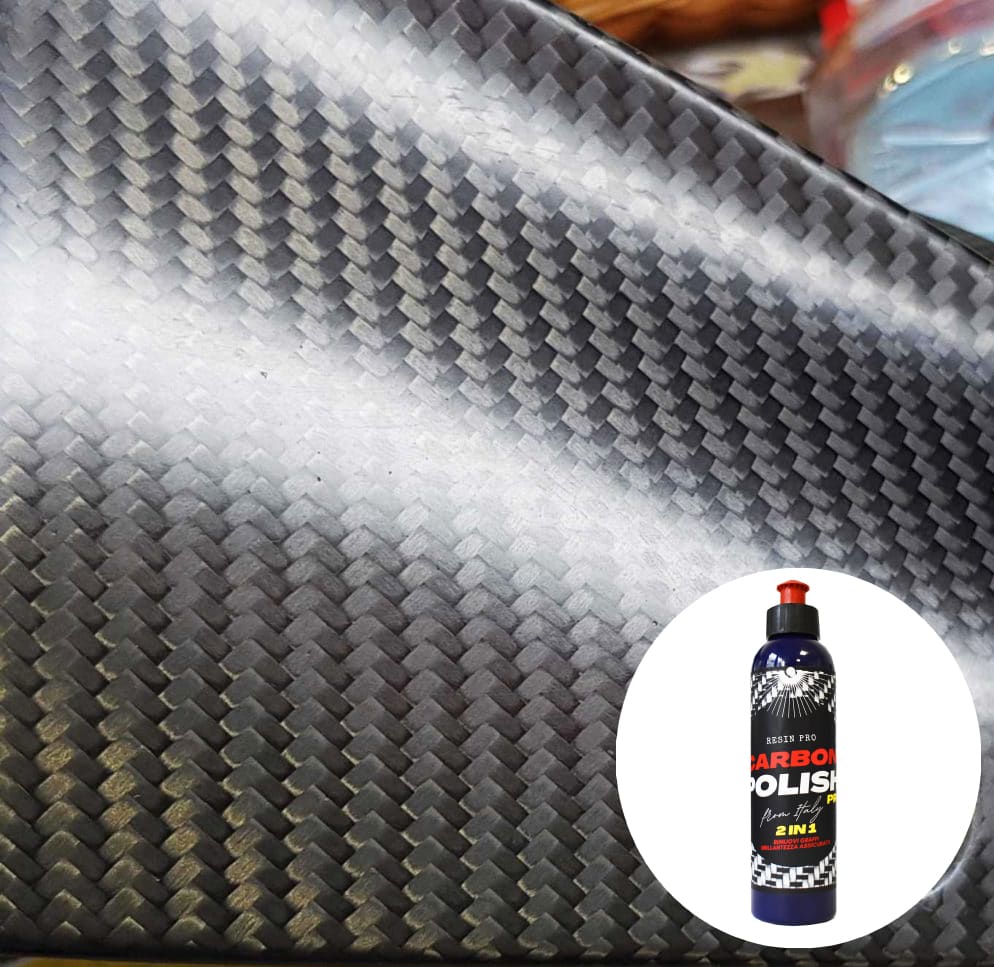
- "Carbon Polish" – Polishing System for Dark and Black Surfaces, 250mlPrice range: £17.85 through £44.85Carbon Polish offers a carefully formulated polish for dark and black surfaces, suitable for epoxy resin projects.
- "Epoxy Polish" – Epoxy Resin Polishing SystemPrice range: £17.85 through £44.85"Epoxy Polish" is an advanced epoxy resin polishing system delivering a glossy finish and rejuvenating dull or scratched surfaces.
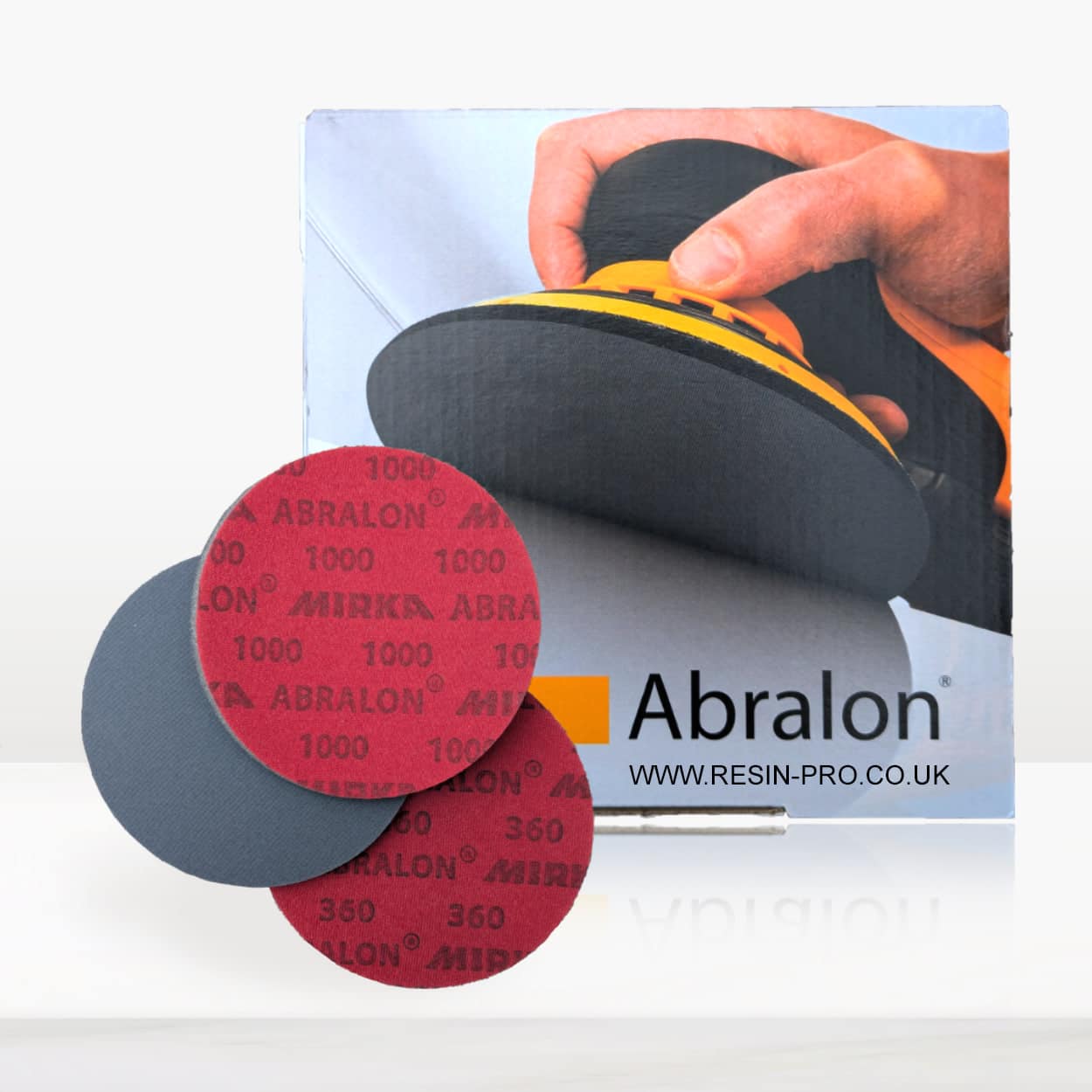 "Ebonite Abralon" – Sanding Pads 360-4000 Grit for Resin and Wood£3.95"Ebonite Abralon" sanding pads offer precise sanding from 360 to 4000 grit, suitable for resin and wood polishing.
Frequently Asked Questions
Which product should I use for black or dark-coloured surfaces?
For carbon fibre, dark resin, or similar deep-toned surfaces, “Carbon Polish” – Polishing System for Dark and Black Surfaces, 250ml is specifically formulated to restore shine without causing whitening or streaks.
How do I restore gloss to resin that has dulled or fine scratches?
Use “Epoxy Polish” – Epoxy Resin Polishing System with a pad holder or rotary polisher. Start sanding with a fine grit if deep scratches are present, then finish with polish for a mirror effect.
What preparation do I need before polishing?
For best results, use “Ebonite Abralon” – Sanding Pads 360-4000 Grit for Resin and Wood to remove scratches and create a smooth base before applying polishing cream.
Can these polishing systems be used by hand?
Yes, all listed products are suitable for manual application with microfibre cloths or hand pad holders, but for larger or tougher surfaces, electric polishers speed up the process and produce a more uniform shine.
Do the polishes leave white marks or residue?
No. Both “Carbon Polish” and “Epoxy Polish” are formulated to prevent white residues and swirl marks, making them safe for dark and clear surfaces alike.
What is the benefit of sanding pads with multiple grits?
Progressively using a range of grits, from coarser to fine, allows for controlled scratch removal and ensures the final surface is ready for a high-gloss polish, reducing the risk of uneven results.
Are these products suitable for wood as well as resin?
“Ebonite Abralon” sanding pads are perfect for both resin and wood, while the polishes can also be effective on other compatible plastics and composites following surface testing.
Frequently Asked Questions
Which product should I use for black or dark-coloured surfaces?
For carbon fibre, dark resin, or similar deep-toned surfaces, "Carbon Polish" – Polishing System for Dark and Black Surfaces, 250ml is specifically formulated to restore shine without causing whitening or streaks.
How do I restore gloss to resin that has dulled or fine scratches?
Use "Epoxy Polish" – Epoxy Resin Polishing System with a pad holder or rotary polisher. Start sanding with a fine grit if deep scratches are present, then finish with polish for a mirror effect.
What preparation do I need before polishing?
For best results, use "Ebonite Abralon" – Sanding Pads 360-4000 Grit for Resin and Wood to remove scratches and create a smooth base before applying polishing cream.
Can these polishing systems be used by hand?
Yes, all listed products are suitable for manual application with microfibre cloths or hand pad holders, but for larger or tougher surfaces, electric polishers speed up the process and produce a more uniform shine.
Do the polishes leave white marks or residue?
No. Both "Carbon Polish" and "Epoxy Polish" are formulated to prevent white residues and swirl marks, making them safe for dark and clear surfaces alike.
What is the benefit of sanding pads with multiple grits?
Progressively using a range of grits, from coarser to fine, allows for controlled scratch removal and ensures the final surface is ready for a high-gloss polish, reducing the risk of uneven results.
Are these products suitable for wood as well as resin?
"Ebonite Abralon" sanding pads are perfect for both resin and wood, while the polishes can also be effective on other compatible plastics and composites following surface testing.