 Free shipping on orders over £29,85
  Shipping Tracking!


 Google
 Facebook
← Back to How can I repair scratched or dull surfaces?
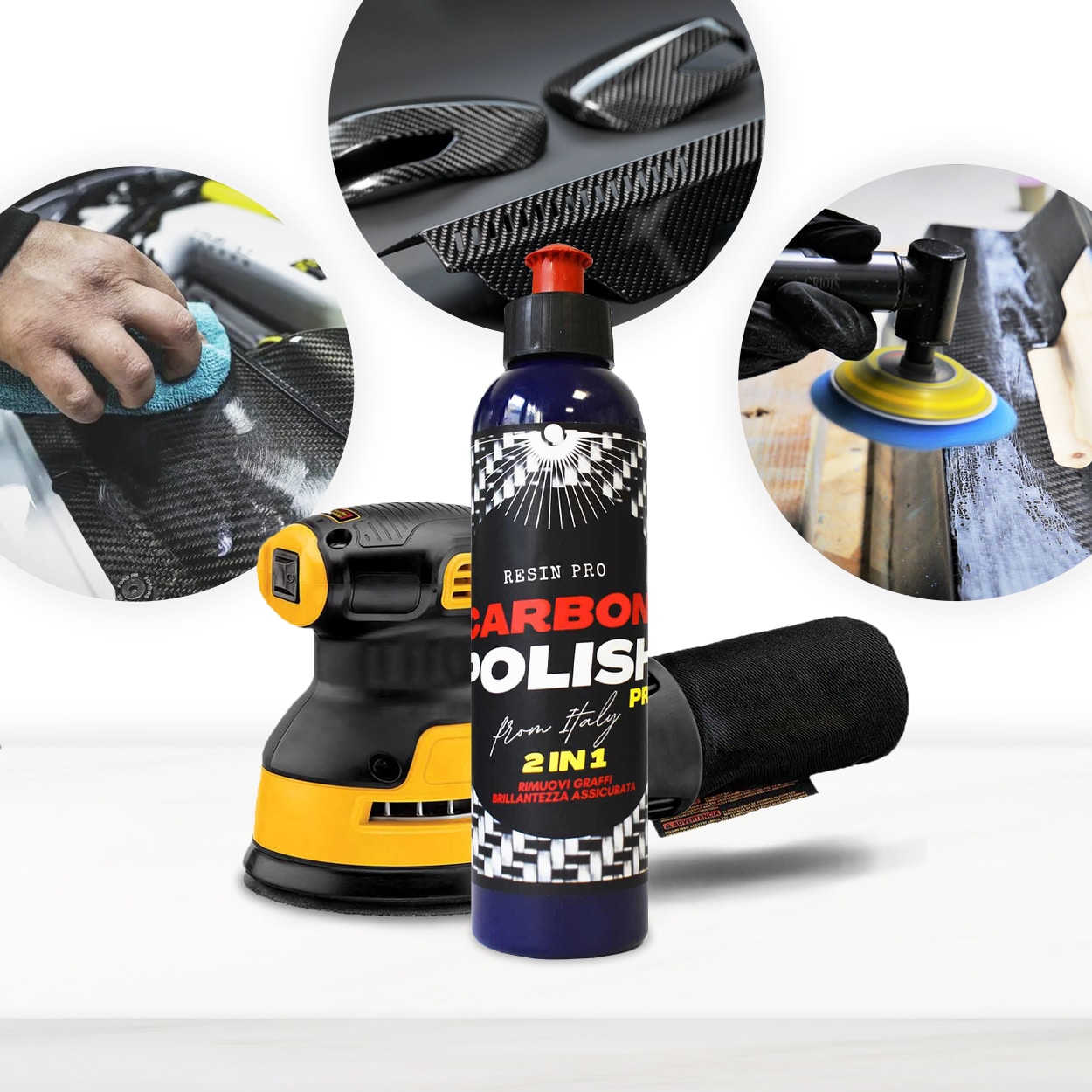
One common concern when polishing resin tables—especially those with dark or clear finishes—is whether polishes will leave behind unsightly white marks or residue. Let’s explore what to expect and how to achieve the best results on your project.
Do Professional Resin Polishes Leave White Residue?
Quality resin polishes, such as “Carbon Polish” and “Epoxy Polish”, are specifically designed to avoid the white residues left by many generic abrasive pastes. These formulas are safe for dark, black, or clear resin surfaces, ensuring your table’s shine is uninterrupted by dull specks or marks typically seen with less specialised options.
Tips for a Clean, Glossy Finish
- Work Through the Grits: Start by sanding your surface with progressively finer grits, ideally using pads like the Ebonite Abralon range, to remove scratches and dullness.
- Proper Application: Apply your chosen polish either by hand with a microfibre cloth or with a polishing pad. Ensure the product is worked into the surface for even coverage and best results.
- Buff Thoroughly: For maximum shine and clarity, take your time buffing. This step helps eliminate haze, prevents residue, and brings out the resin’s natural depth.
When This Matters
Achieving a residue-free shine is especially important for dark or clear resin tables, where imperfections and white marks quickly become visible. Using the correct polishing products and method preserves the sleek appearance of your artistry and investment.
Related products
Related guides
By choosing the right polish and following proper techniques, you can restore and maintain your resin table’s flawless finish—without worrying about unwanted white marks. For further advice on reviving scratched or dull surfaces, return to our main repair guide.