 Free shipping on orders over £29,85
  Shipping Tracking!


 Google
 Facebook
← Back to how to make erasers without silicone
If you’ve crafted a homemade eraser, knowing exactly when it’s fully cured is important for both performance and durability. Curing times can vary with different eraser clays or recipes, but some practical signs can help you judge.
Key Signs of Proper Curing
A properly cured eraser should be firm to the touch—no longer soft, sticky, or deforming under gentle pressure. After any baking or boiling stage, allow the eraser to cool fully, as its final texture and flexibility are only revealed once it reaches room temperature. Always follow the time and temperature instructions given on your eraser clay packaging, as these are designed for the specific formula you’re using.
Practical Tips for Testing
- Touch test: Gently press on the eraser’s surface. It should feel solid and retain its shape.
- Temperature check: An eraser is ready when it has cooled right through; residual warmth may indicate the inside is still slightly soft.
- Flexibility: When cured, your eraser should bend a little without cracking or crumbling, but should not feel sticky or rubbery.
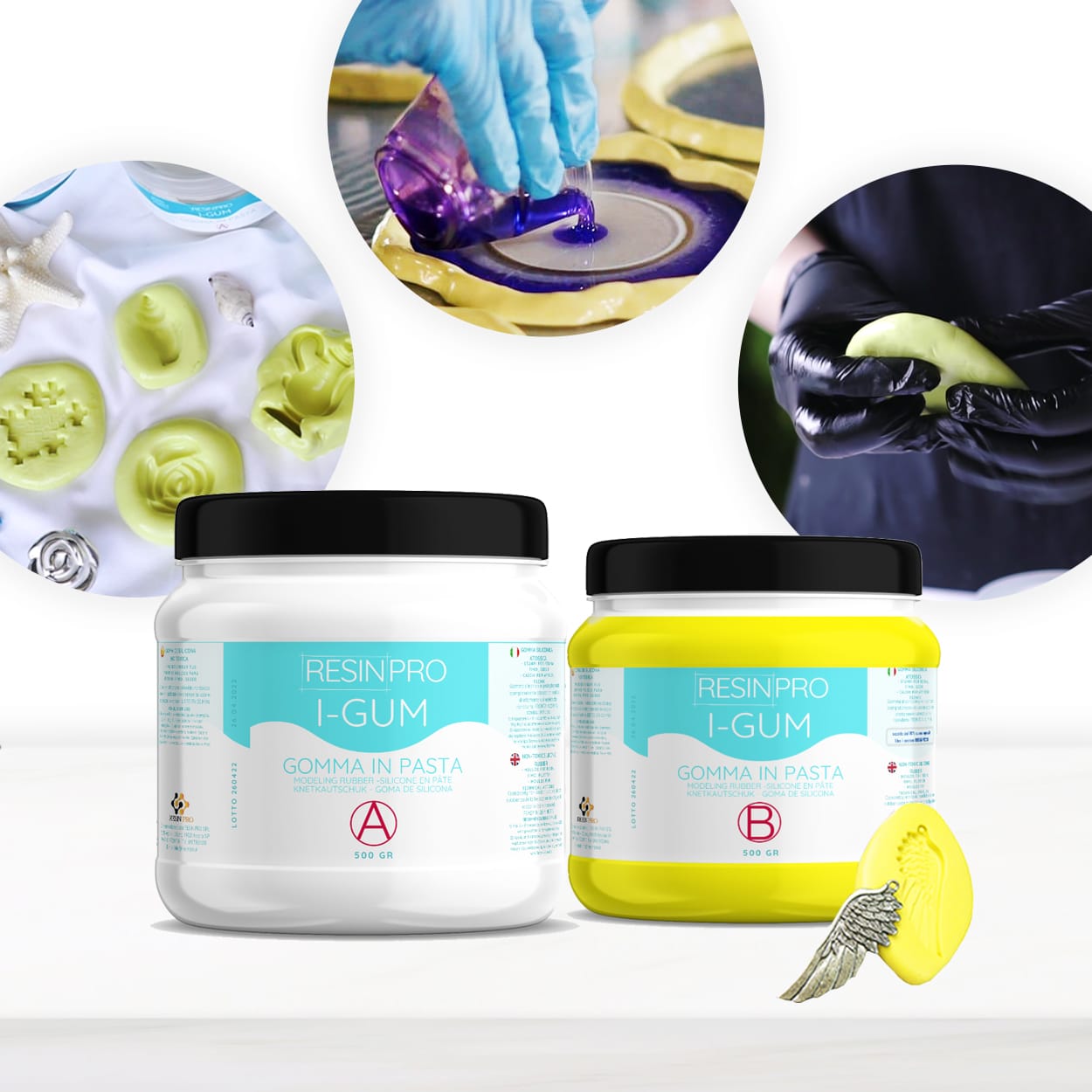
If you’re moulding erasers with forms such as non-toxic silicone putty, be sure that the putty itself has also fully cured before removing your eraser from the mould, to avoid deformation.
When This Matters
Getting the curing stage right is essential for an eraser’s lifespan and usability. Under-cured erasers may smudge or break easily, while over-baked ones can become too hard to erase properly. If in doubt, err on the side of leaving your eraser in the mould or oven for a minute or two longer, but avoid excessive exposure to heat.
Related products
Related guides
Mastering the curing process ensures your homemade erasers are as practical and enjoyable to use as shop-bought alternatives. For more guidance on making erasers without silicone, see our main guide here.