 Free shipping on orders over £29,85
  Shipping Tracking!


 Google
 Facebook
← Back to How to put resin on a table?
Resin tabletops are valued for their glossy, durable appearance, but even the toughest finish can develop scratches over time. The good news is that many light abrasions can be addressed at home with a simple polishing process.
Assessing the Damage and Preparing the Surface
Start by checking the extent of the scratches on your resin tabletop. Surface-level marks and light scratches are typically the easiest to restore. Before you begin polishing, gently clean the table with a soft, damp cloth to remove dust and debris. This will prevent further scratching during the repair process and gives you a clear view of the area to be treated.
Buffing and Polishing Techniques
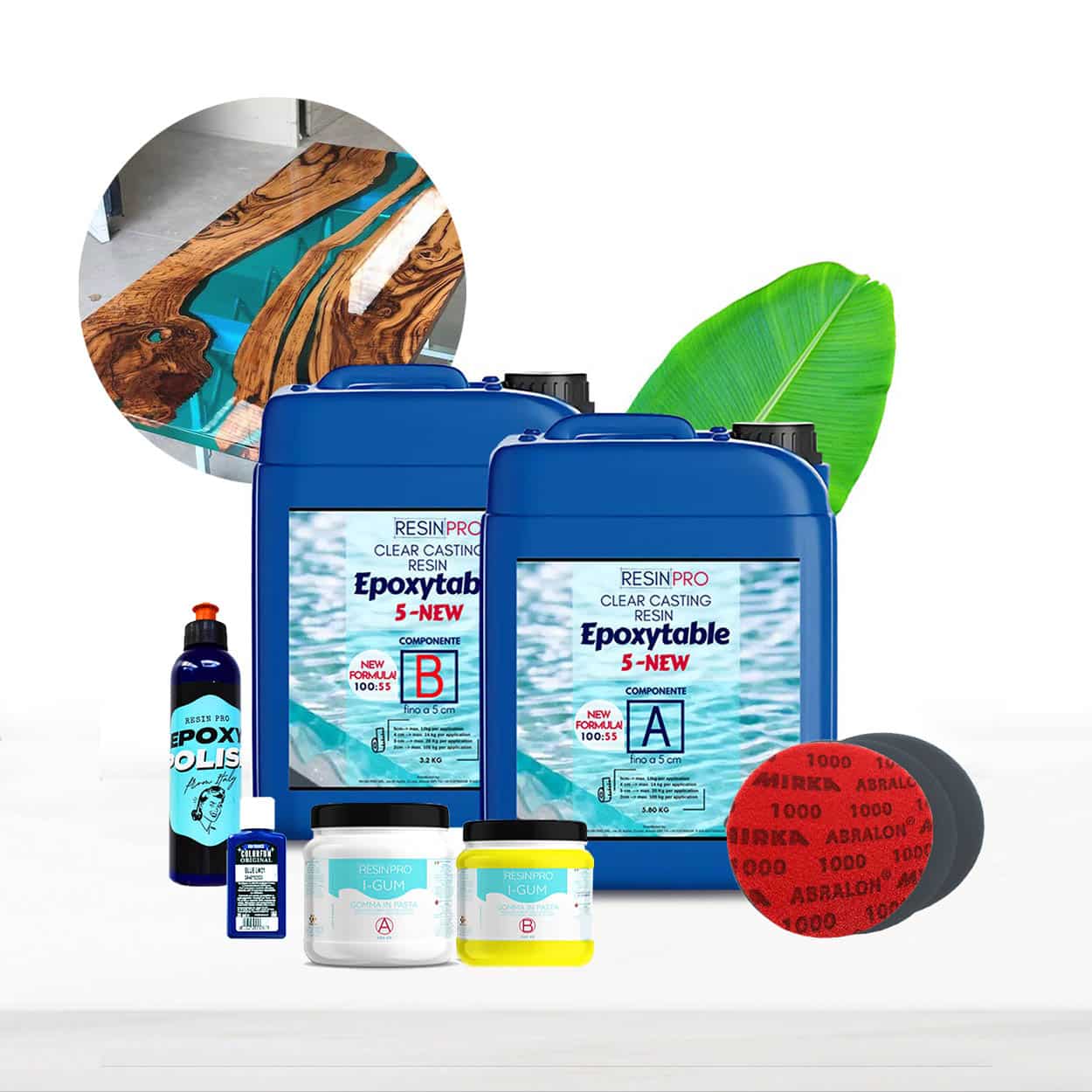
To tackle surface scratches, use a fine abrasive pad—often included in resin table kits such as the “River-Table” Complete Kit for Epoxy Resin Tables. Begin with the highest grit number available (e.g. 2000 or higher) and lightly buff the scratch in a circular motion. Once the area feels smooth, apply a polishing cream specifically designed for plastics or resins. Work the cream in with a clean pad, and gently buff until the shine is restored. Repeat with finer pads or additional polish if needed, always working gently to avoid wearing away the resin.
When This Matters
If your resin table is used daily, minor scratches are likely to occur. Quick repairs maintain the table’s clarity and gloss, while regular touch-ups can postpone the need for more intensive refurbishing. For tables with deeper or widespread damage, consider consulting a resin professional.
Related products
Related guides
With a little care, restoring a scratched resin tabletop can be a straightforward process, returning your surface to its original brilliance. Explore more resin table maintenance tips and epoxy solutions on our How to put resin on a table? guide.