 Free shipping on orders over £29,85
  Shipping Tracking!


 Google
 Facebook
How do you apply resin over tiles?
Transform tiled surfaces with resin for a seamless modern finish
Applying resin over tiles allows you to revitalise old tiled surfaces with a fresh, seamless and waterproof finish. Whether refreshing a kitchen splashback, bathroom floor, or wall feature, this technique not only modernises your space but also protects tiles from wear, water ingress and staining. Learning the correct sequence—from preparation to finishing—ensures durable, beautiful results every time.
What You’ll Need
- “Epoxyprimer” – Universal Water-Based Two-Component Epoxy Floor Primer: Essential for maximising adhesion when covering tiles with resin.
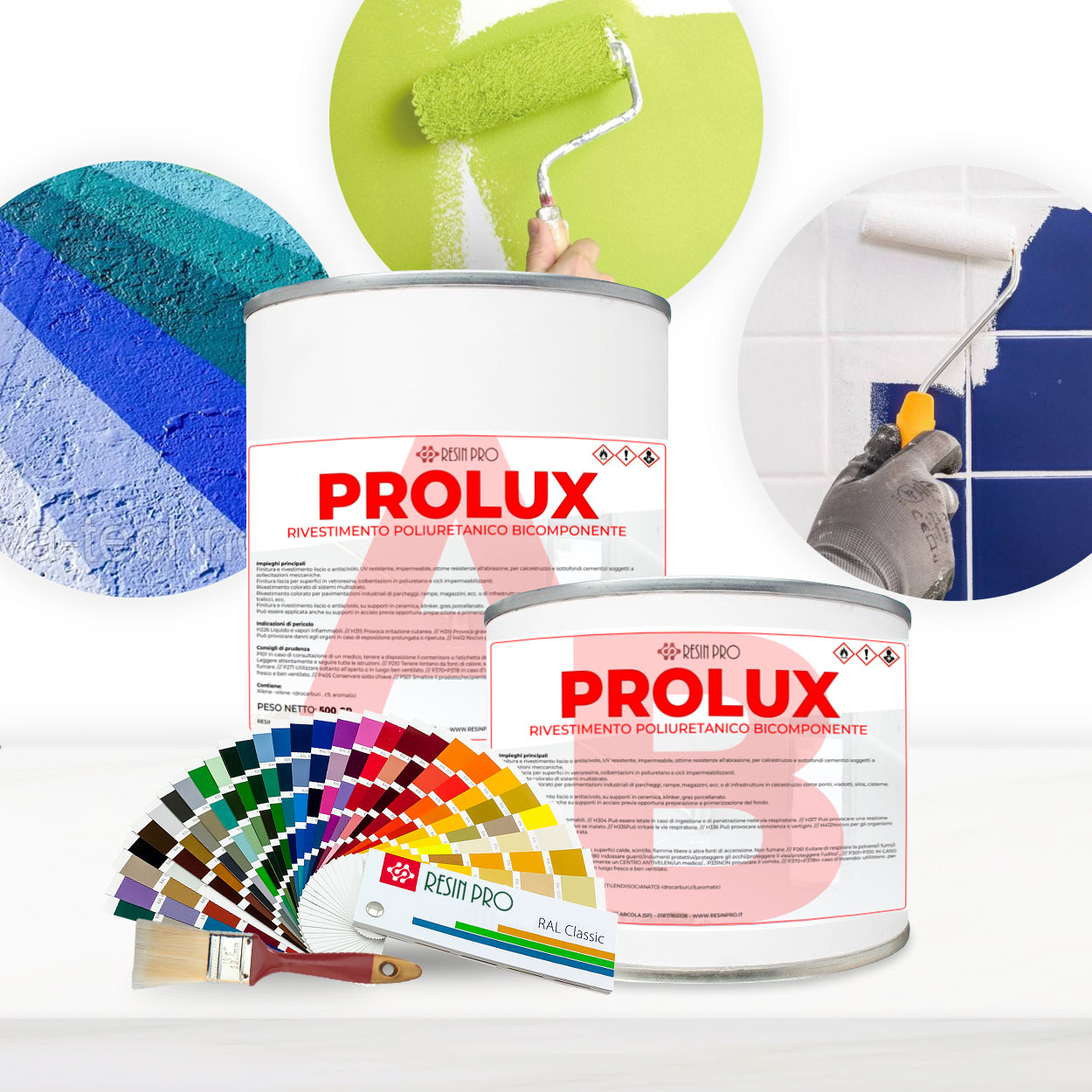
- “Prolux” – PU coating for tiles, concrete, plastic and metal – suitable for driveable surfaces: For durable, UV-resistant finishes especially in high-traffic or outdoor areas.
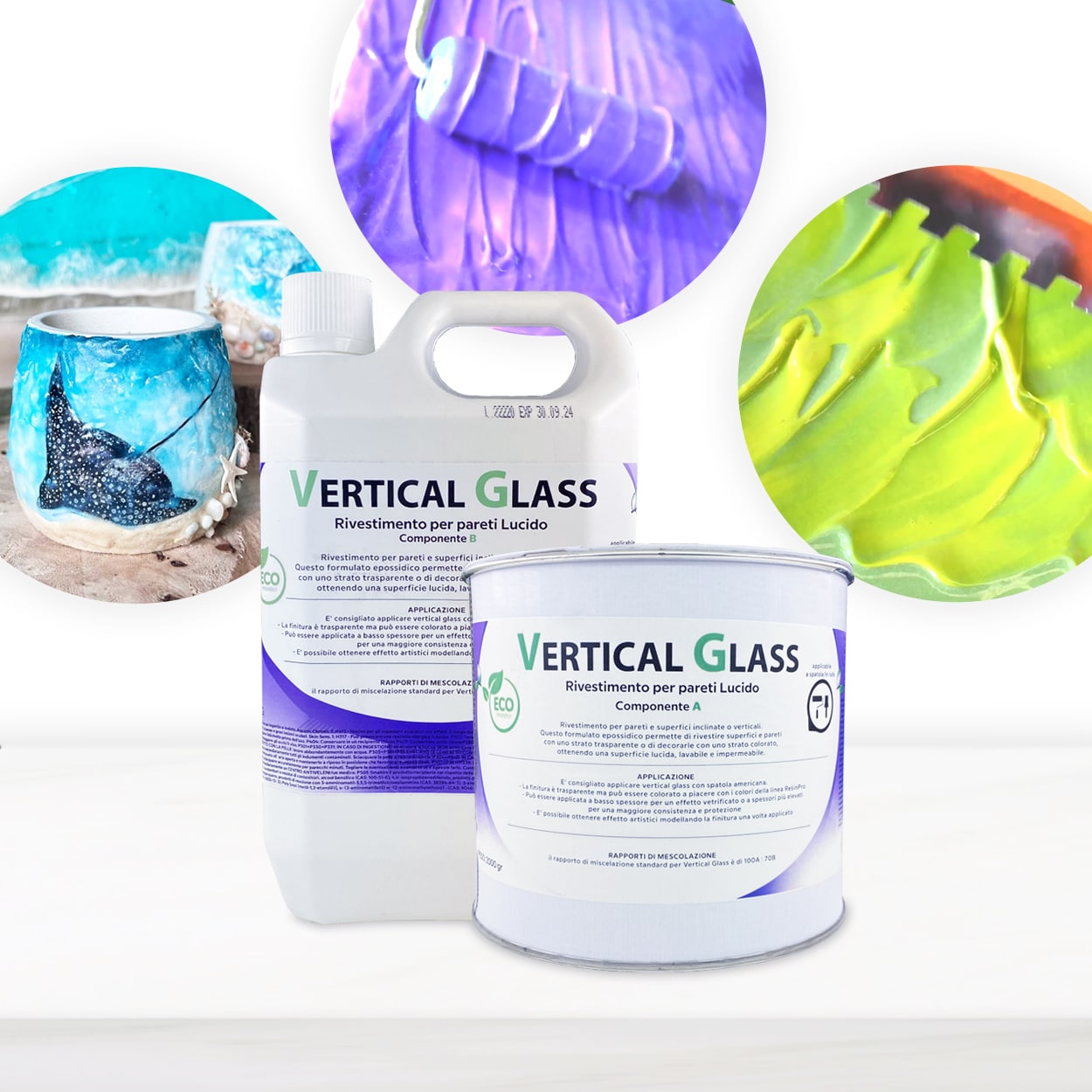
- “Vertical Glass” – Thick Resin Decorative Wall Coating: Ideal for vertical or sloping tiled surfaces if a decorative, washable wall finish is desired.
- “Trasparente” – Multipurpose Clear Epoxy Resin for Casting – Up to 2cm: Suitable for small, highly transparent coatings with self-levelling properties.
- High-grit sandpaper
- Microfibre cloths
- Protective gloves and mask
- Roller, brush, or spatula (depending on surface and product)

See Beautiful Resin Tile Transformations
Browse inspiration from real-life resin-over-tile projects. Notice the seamless finish, depth of colour, and the protection resin brings to old surfaces. Whether for splashbacks, flooring, or feature walls, multipurpose resin systems provide a practical and stunning solution.
Step 1: Prepare and Clean the Tiles
Preparation is crucial when applying resin to any tiled surface. Start by removing any loose or damaged tiles—repairing those areas as needed to create a continuous, stable surface. Clean and degrease thoroughly with a dedicated tile cleaner or a mild detergent, ensuring all dirt, soap residue, mould, or grease is removed. Pay special attention to grout lines and any surface irregularities.
Once clean, dry the surface completely. Moisture trapped beneath resin can cause adhesion failure or clouding. Allow ample ventilation and consider leaving the area overnight if humidity is high before proceeding to the next step.
Step 2: Sand and Key the Tiles
Ceramic or glazed tile surfaces are naturally smooth and non-porous, which hinders resin adhesion. Sand the tiled surface evenly using high-grit sandpaper (120–220 grit works well) to create a uniform, matte texture. Focus on the tile faces and ensure grout lines are lightly abraded too.
Vacuum dust from the area, then wipe tiles with a microfibre cloth. This step prevents dust particles from mixing into the primer or resin layers and ensures optimal binding for the subsequent primer coat.
Step 3: Apply the Primer Coat
Proper priming is key to resin longevity and a professional finish. Prime the tiles before resin coating by applying a suitable primer that bridges the tile substrate with the resin.
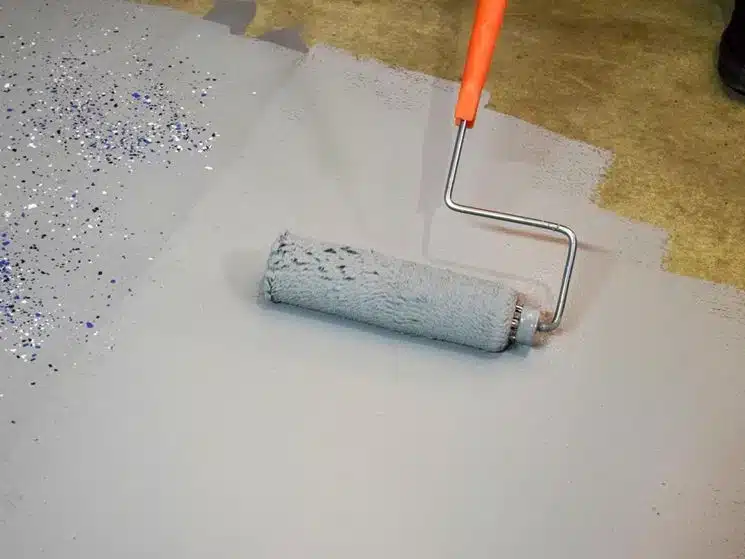
For this step, use “Epoxyprimer” – Universal Water-Based Two-Component Epoxy Floor Primer. Apply it evenly across the sanded tiles with a roller or brush, making sure to work primer into grout joints and corners. Follow the manufacturer’s instructions for mixing and observe the full curing time—usually 24–48 hours—before progressing.
Step 4: Apply the Resin Coating
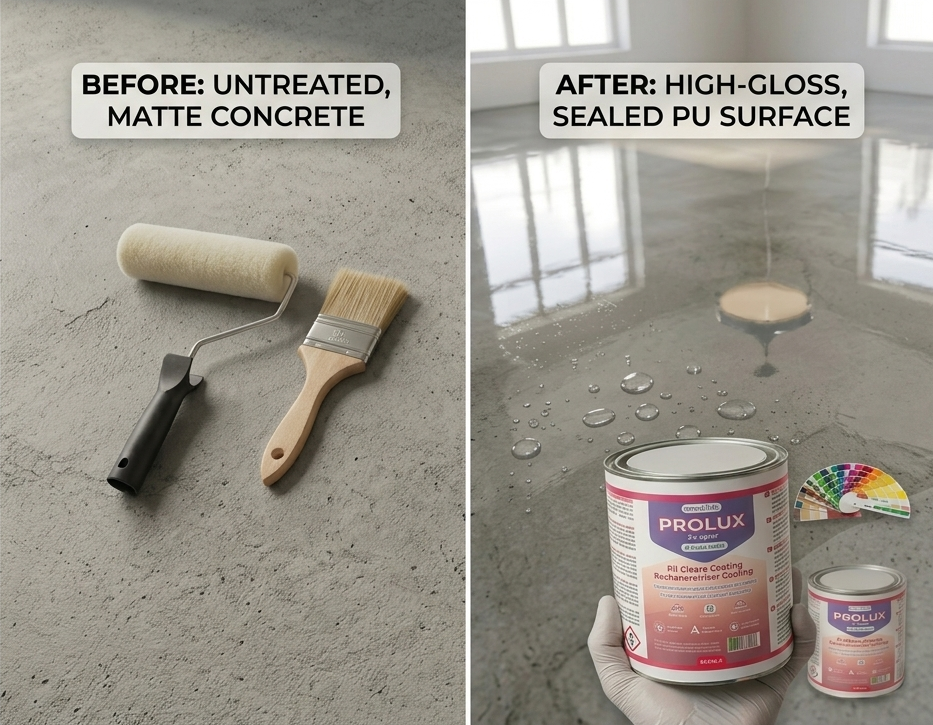
With the tiles now primed, it’s time to coat the surface with your chosen resin. Apply resin in controlled conditions—ideally, room temperature and low humidity—to reduce bubble formation and promote a flawless finish. Work in small sections for best control, and always wear protective gloves and mask.
For floors, a self-levelling product such as “Trasparente” – Multipurpose Clear Epoxy Resin for Casting – Up to 2cm is suitable for clear, thin coatings. For vertical walls or decorative features, use “Vertical Glass” – Thick Resin Decorative Wall Coating, which is formulated for vertical application without running or sagging. Spread it with a spatula for a smooth and even layer.
Allow full curing in a dust-free environment. If a second coat or additional finish is desired, wait until the first coat is completely firm.
Step 5: Finish and Protect the Surface
After resin application, inspect the surface for uniform coverage and look for imperfections such as bubbles or missed areas. Allow each coat to fully cure according to the resin’s specifications, which may vary depending on the product and room conditions.
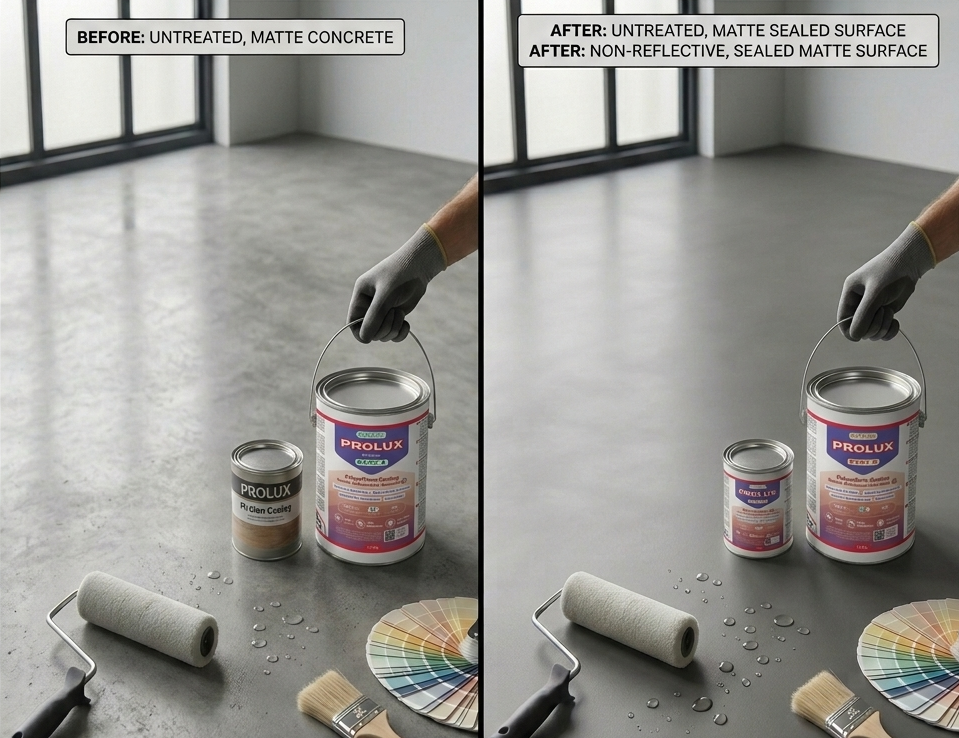
For areas subject to heavy wear, moisture, or UV exposure, consider a top protective layer. “Prolux” – PU coating for tiles, concrete, plastic and metal – suitable for driveable surfaces can be applied for outstanding protection in such demanding environments. Maintenance is minimal—a gentle clean with a soft cloth maintains the resin’s lustre and hygiene.
Tips, Common Mistakes and Troubleshooting
- Avoid rushing surface preparation—thorough cleaning and sanding are essential for preventing peeling or bubbling later.
- Do not skip required priming steps—tiles without primer may cause resin delamination, especially in wet areas.
- Prevent trapped moisture under resin by allowing all cleaning steps to dry fully before progressing.
- Always measure and mix resin or primer components precisely to avoid sticky or undercured surfaces.
- If air bubbles appear when pouring resin, gently pass a heat gun or hairdryer over the surface at low power to release them before curing begins.
Finishing Touches and Advanced Protection
For long-lasting results, finish with a polyurethane topcoat especially in areas exposed to heavy traffic or sunlight. “Prolux” PU coating helps prevent UV yellowing, abrasions, and enhances the longevity of your resin work. Experiment with decorative resin options for vibrant walls with next-level durability.

- "Epoxyprimer" – Universal Water-Based Two-Component Epoxy Floor PrimerPrice range: £156.45 through £286.45"Epoxyprimer" is a water-based two-component floor primer designed for reliable adhesion on concrete, tiles, and timber suitable for resin flooring…
- "Prolux" – PU coating for tiles, concrete, plastic and metal – suitable for driveable surfacesPrice range: £44.85 through £494.85"Prolux" is a polyurethane coating designed for tiles and various surfaces, suited for protective and durable finishes.
- "Vertical Glass" – Thick Resin Decorative Wall CoatingPrice range: £78.95 through £188.95Vertical Glass is a resin wall coating suitable for tiles and vertical surfaces offering a customisable, waterproof finish.
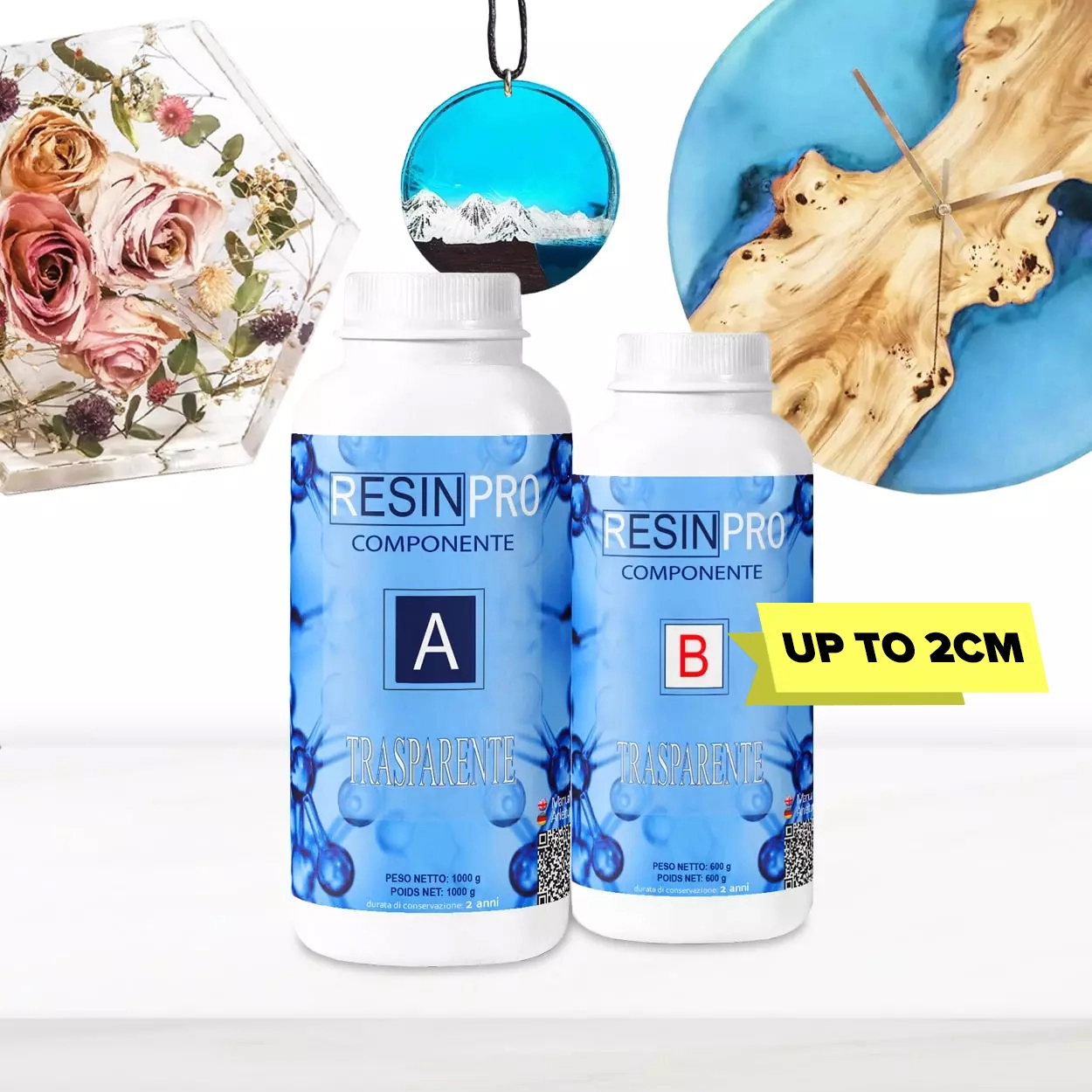 "Trasparente" – Multipurpose Clear Epoxy Resin for Casting – Up to 2cmPrice range: £8.95 through £397.95"Trasparente" resin is suitable for detailed castings and DIY projects requiring a clear, self-levelling finish with up to 2 cm thickness.
Frequently Asked Questions
Can you put resin over bathroom tiles?
Yes, resin can be applied over bathroom tiles for a seamless, waterproof finish—ensure thorough cleaning and proper priming before application.
What primer should I use before applying resin on tiles?
A water-based two-component epoxy primer is ideal to maximise adhesion and ensure a faultless resin finish when coating over tiles.
Do I have to sand tiles before resin application?
Yes, sanding creates a key for adhesion; failure to abrade the surface can cause the resin coating to peel or fail.
Can I use resin on tile walls?
Yes, resin systems are available specifically for walls—choose a thick, non-slumping product for vertical applications.
Do I need to prime all tile types before resin?
Yes, all glazed or non-porous tiles require a primer to promote resin adhesion and long-term performance.
What should I do if resin forms bubbles after pouring on tiles?
Gently use a heat gun or blow dryer on low to remove bubbles before the curing process completes.
How long does resin take to cure on tiles?
Most epoxy resins require 24 to 48 hours to fully cure, depending on room temperature and resin formulation.
Can resin over tiles withstand heavy traffic or wear?
Yes, if installed correctly with proper primer and topcoat, resin surfaces are tough and highly resistant to everyday wear.