 Free shipping on orders over £29,85
  Shipping Tracking!


 Google
 Facebook
← Back to How do you apply resin on wood?
Nothing ruins the look of a glossy resin finish on wood like unwanted bubbles appearing during or after the pour. Taking a careful approach ensures a glassy, smooth coating every time.
Proper Wood Sealing Is Essential
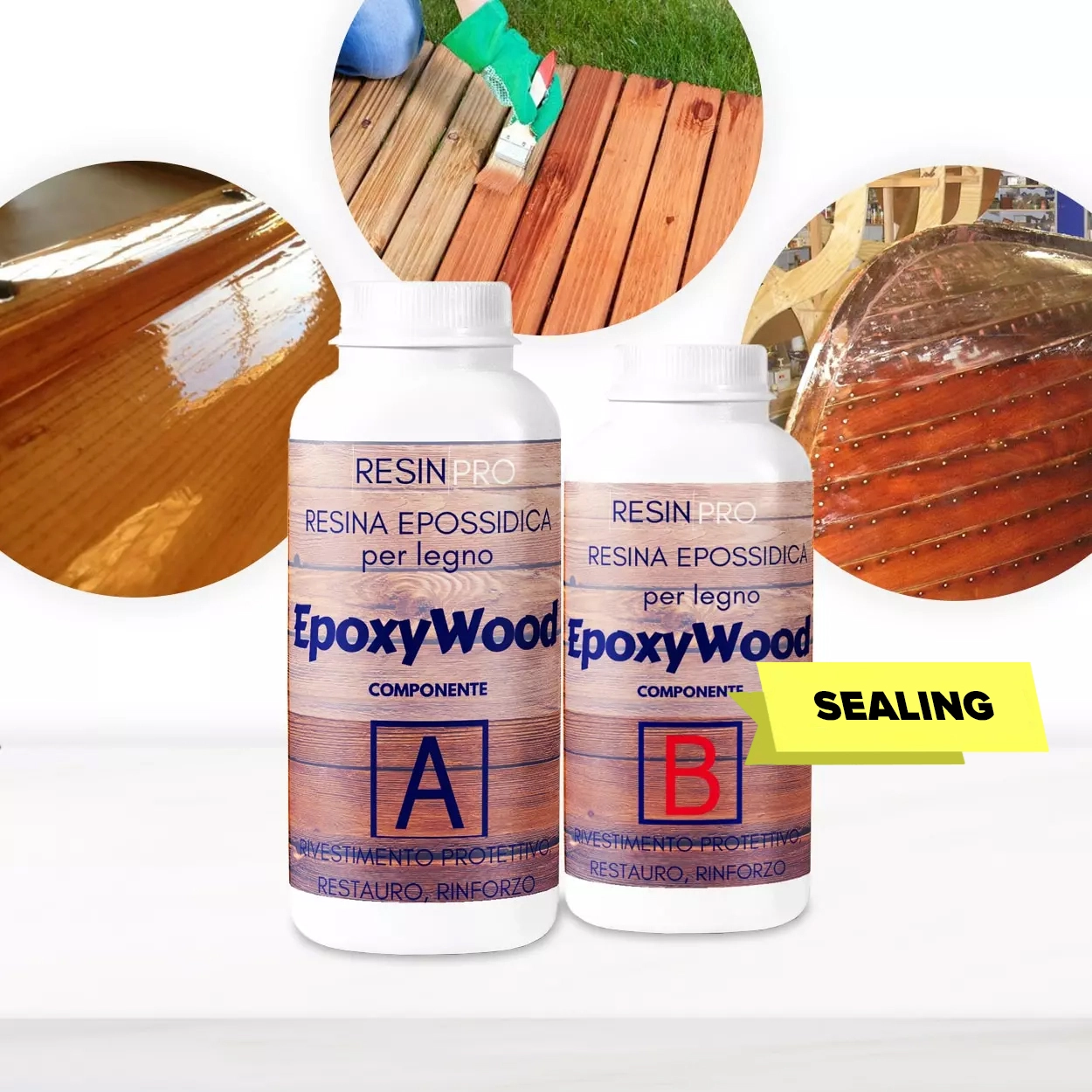
Wood is naturally porous, so air trapped within can escape into wet resin. To help prevent this, always seal your wood before your main pour. Apply a thin layer of resin, such as EpoxyWood – Wood Restoration Epoxy Resin, and let it cure fully. This initial coat blocks air and gives your final layer a stable base.
Mix and Pour Resin with Care
Mix your resin and hardener slowly to minimise air entrapment—vigorous or rushed stirring introduces bubbles. When pouring onto your surface, do so in a steady, gradual flow. Pouring from a height or too quickly can trap more air and make bubbles harder to remove.
Eliminate Surface Bubbles After Pouring
Even with good preparation, some bubbles may still rise to the surface. Gently use a heat gun or torch to encourage any remaining bubbles to pop. Take care not to overheat the resin as this can cause surface flaws. Always work in a dust-free room to prevent debris settling while the resin cures.
When Bubble Prevention Matters Most
If you’re aiming for a crystal-clear, high-gloss finish on furniture, art pieces, or tabletops, eliminating bubbles is especially important. Visible imperfections are difficult to fix once the resin has cured.
Related products
Related guides
- How Do You Apply Resin On Wood
- How To Work With Wood And Resin Boards
- How Do You Resin Coat Polyester Wood
- How To Epoxy Coat Wood
- How Do You Resin A Wooden Box
- How To Coat Wood With Transparent Resin
- How To Use Resin With Wood
- How Do You Coat An Old Wooden Floor With Resin
- How To Produce Resin From Wood
- How To Use Epoxy Resin On Wood
- How Do You Use Resin On Wood
By sealing the wood, taking care during mixing and pouring, and using gentle heat, you can achieve bubble-free results for your next resin project. For more answers and step-by-step guides, explore our hub on how to apply resin on wood.