 Free shipping on orders over £29,85
  Shipping Tracking!


 Google
 Facebook
How do you apply wall resin?
Achieve a unique, durable wall surface with professional resin application
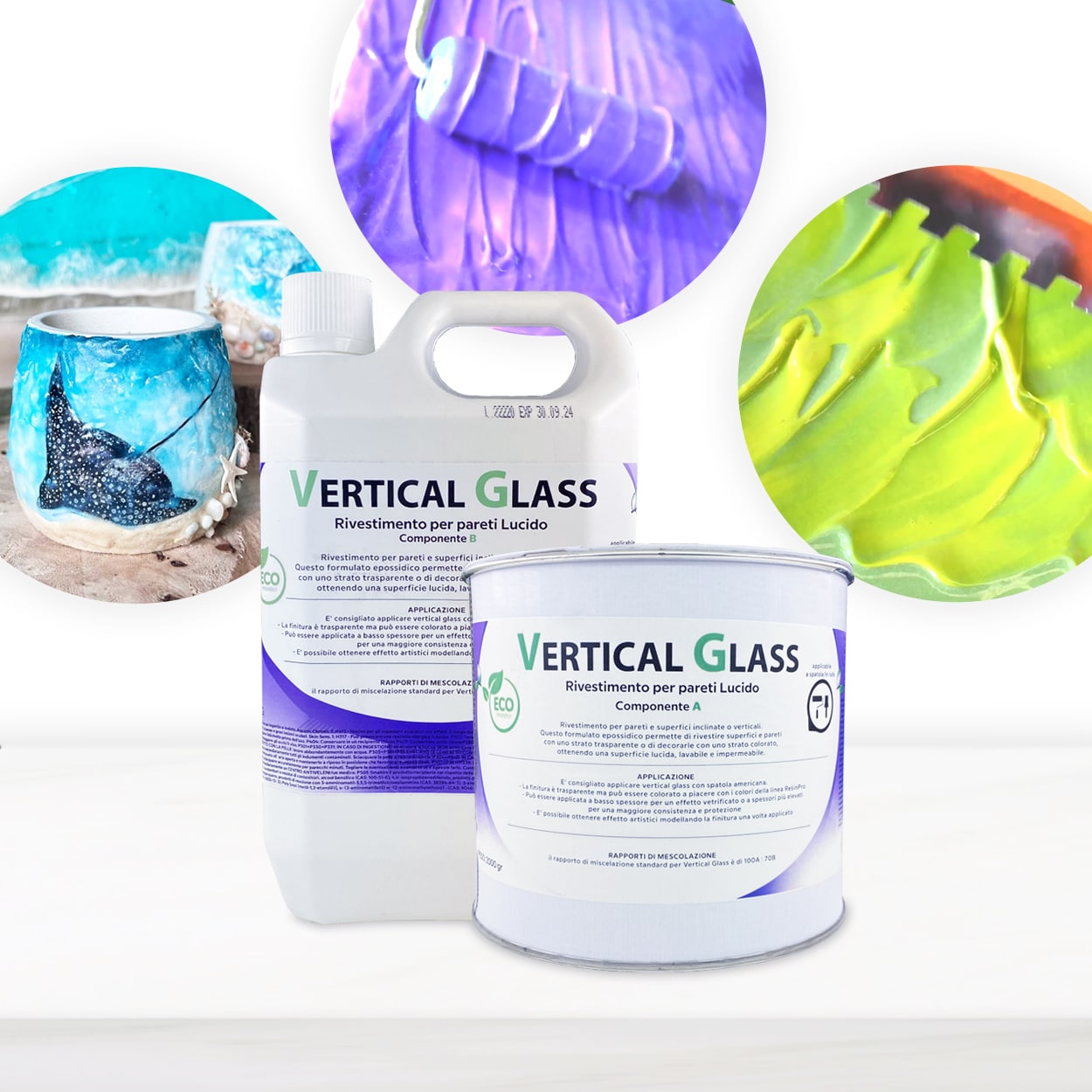

Adding a resin coating to your walls can completely transform a space, giving it a seamless, waterproof, and highly decorative finish. Whether you want to protect your bathroom, add a glossy modern look to an accent wall, or experiment with artistic effects, knowing how to apply wall resin correctly is essential for flawless, lasting results.
What You’ll Need
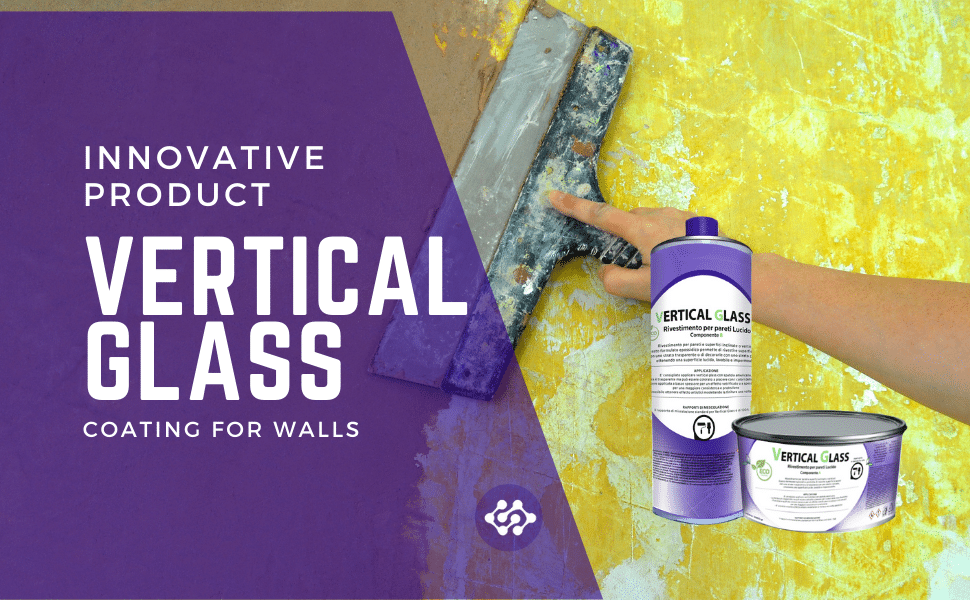
- “Vertical Glass” – Thick Resin Decorative Wall Coating – for spatula application and customisable decorative walls
- Resin & Paint Application Rollers – Short-Pile, Large, and Sponge Types – for even spreading and finishing coats
- Mixing buckets, measuring cups, and mixing sticks
- Protective gloves, mask, and safety goggles
- Sandpaper or sanding blocks (various grits)
- Painters tape and dust sheets
Visual Inspiration: Wall Resin Effects
Explore diverse wall resin finishes, from seamless gloss to custom colours or textures. Whether aiming for luxury bathroom protection or a modern accent wall, epoxy unlocks creative possibilities in any space. Your chosen tools shape the unique look and feel you achieve.
Step 1: Prepare the Surface
Thorough preparation is key for a successful wall resin application. Start by cleaning the wall to remove dust, grease, or loose paint. Repair any cracks or holes with filler and sand once dry for a flat surface. For highly absorbent surfaces such as bare plaster or cement, consider sealing with a primer to ensure even resin coverage. Protect adjacent floors and fixtures with painter’s tape and dust sheets to keep the workspace tidy.
Wear gloves and ensure good ventilation throughout preparation to protect yourself from dust and chemical exposure.


Step 2: Mix Your Resin Properly
Accurate mixing ensures a smooth, bubble-free result and lasting durability. Carefully follow the manufacturer’s instructions for your chosen resin. Measure each component precisely, use a clean mixing bucket and stick, and blend slowly to avoid introducing air bubbles. Once mixed, use the resin promptly, as working time is limited.
Step 3: Apply the Resin to the Wall
Choose your application tool based on the look and area you’re working on. A spatula is ideal for textured or artistic effects, while a short-pile roller ensures thin, even layers for smooth finishes. For especially decorative results, “Vertical Glass” – Thick Resin Decorative Wall Coating is designed to stay in place on vertical or sloping surfaces, letting you create custom effects without dripping.
Work in small sections, applying the resin in thin layers. Smooth it out and check for any drips or runs. Tools such as Resin & Paint Application Rollers – Short-Pile, Large, and Sponge Types help to distribute resin evenly, especially for larger wall areas or finishing coats. Allow each coat to partially cure if you plan to layer effects.


Step 4: Curing, Sanding, and Finishing Touches
After application, let the resin cure undisturbed following the product’s recommended timeframe—typically 24 to 48 hours for full hardness. If sanding is desired for a satin finish, do so gently after the resin has cured fully. Traces left by the spatula or roller can be lightly abraded to achieve your preferred texture. To boost durability in high-moisture areas like bathrooms, a second thin layer can be added after the first has cured and been sanded.
Tips and Common Mistakes
- Prep thoroughly for a flawless base; imperfections can show through clear or translucent resins.
- Avoid working in cold or humid conditions, which can affect curing and finish quality.
- Mix only as much resin as you can apply within the working time to prevent waste.
- Use painter’s tape to achieve clean edges where resin meets other surfaces.
- Test on a small area if unsure about tools or decorative techniques.
Finishing Touches and Project Highlights
After your resin wall has cured, take pride in a result that is both decorative and practical. Regular cleaning is easy—just use a soft cloth and mild detergent. For true personalisation, experiment with pigments and techniques to create one-of-a-kind visual effects aligned with your interior style.
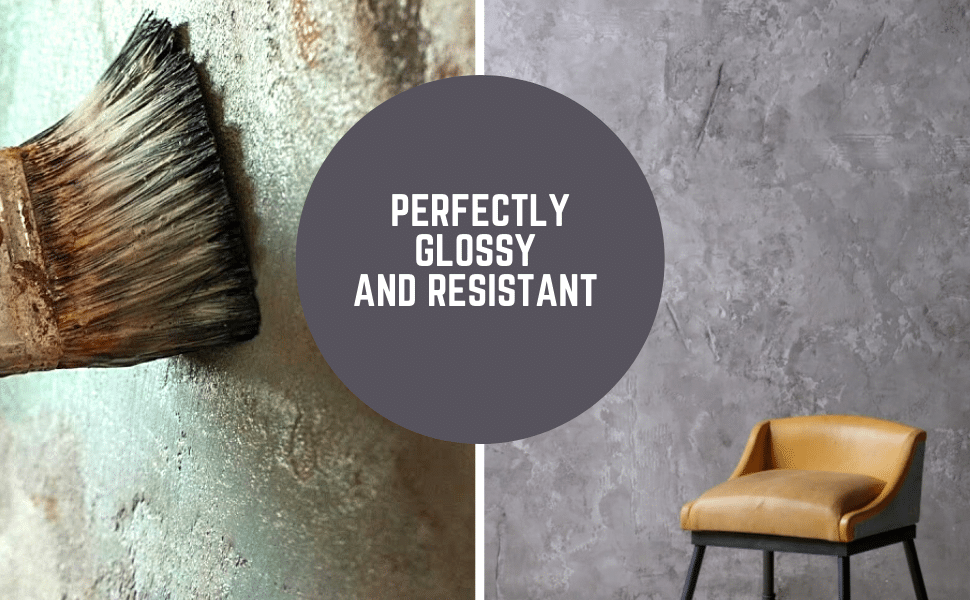
- "Vertical Glass" – Thick Resin Decorative Wall CoatingPrice range: £78.95 through £188.95Vertical Glass resin wall coating allows easy spatula application on vertical and sloping surfaces with a customisable, waterproof finish.
- Resin & Paint Application Rollers – Short-Pile, Large, and Sponge TypesPrice range: £3.62 through £5.09Rollers designed for precise and uniform application of epoxy resin, suitable for professionals and DIY enthusiasts.
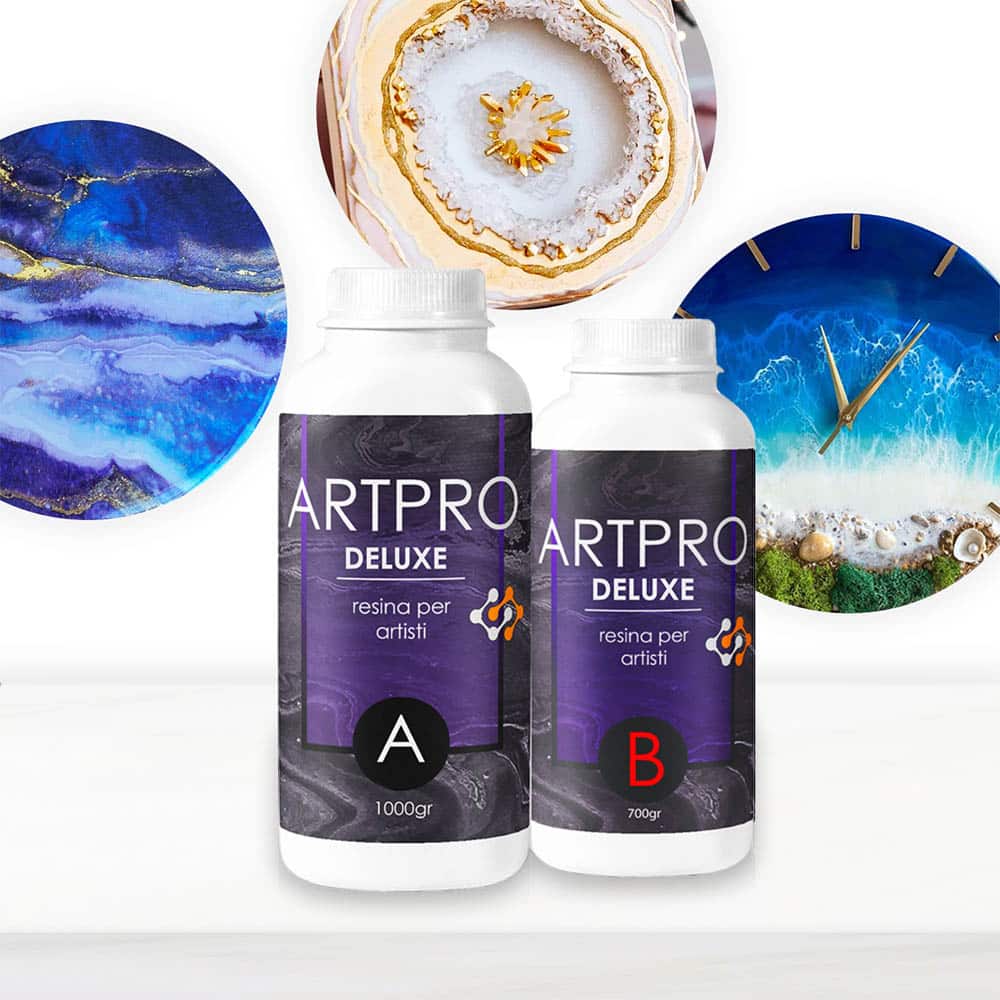
- "Art Pro Deluxe" – Ultra-High Viscosity Epoxy Resin for ArtistsPrice range: £35.95 through £302.45Art Pro Deluxe resin is designed for artists needing precise control and clarity with an ultra-high viscosity and a glossy, scratch-resistant finish.
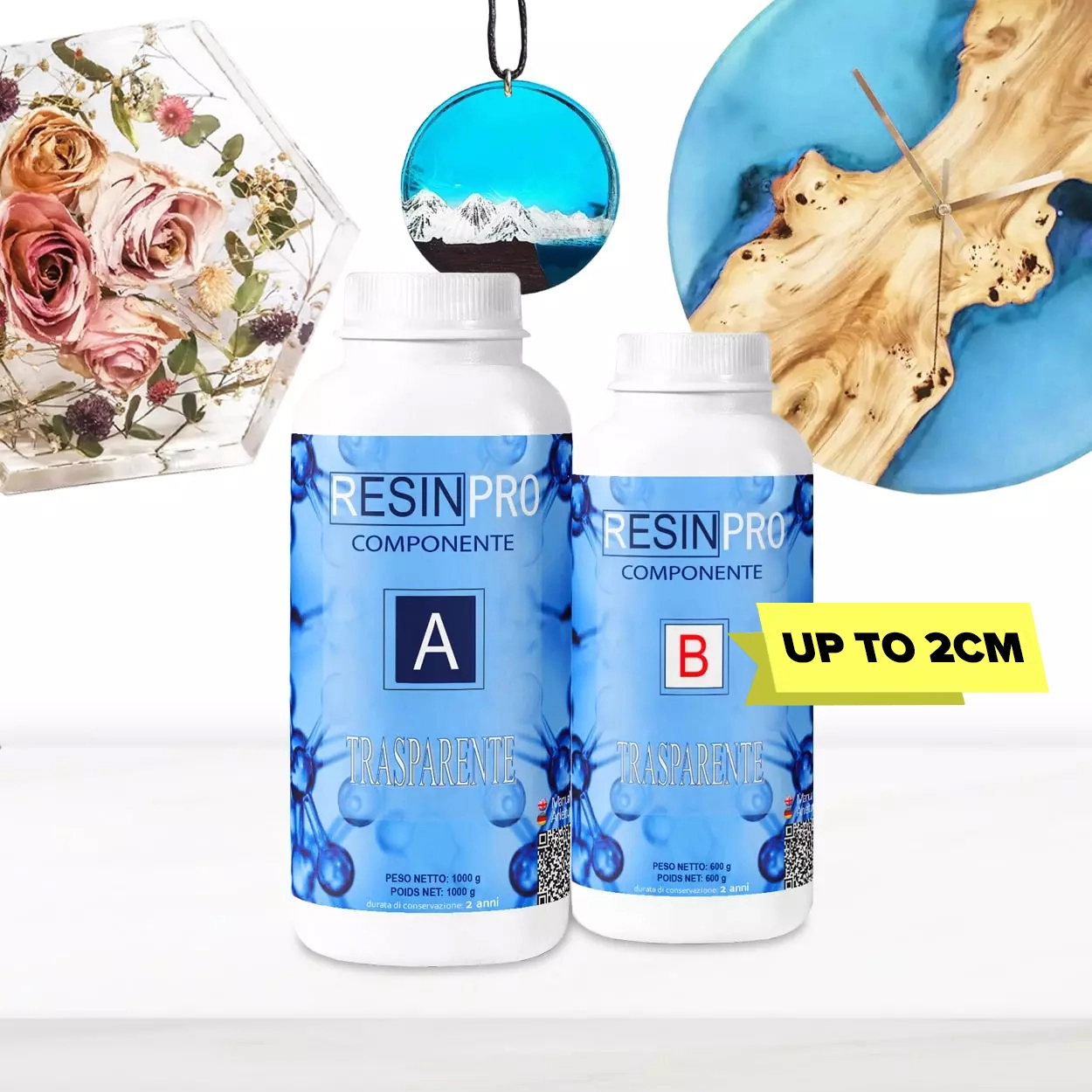 "Trasparente" – Multipurpose Clear Epoxy Resin for Casting – Up to 2cmPrice range: £8.95 through £397.95The "Trasparente" clear epoxy resin is designed for layers up to 2 cm with a self-levelling, ultra-clear finish suitable for various DIY and craft…
Frequently Asked Questions
Can wall resin be used in bathrooms or showers?
Yes, specially formulated wall resins are waterproof and ideal for high-moisture areas like bathrooms and kitchens.
What tools do I use for applying wall resin?
You can use a spatula for texture or a short-pile roller for even layers. Always use protective gear and work with clean, dry tools.
How long does wall resin take to cure?
Most wall resins reach handling strength in 24–48 hours. Full chemical resistance and durability occur after curing completely.
How can I achieve different decorative effects with wall resin?
Choose tintable resins and apply using spatulas, rollers, or brushes. Experiment with pigments, metallics, and layering.
How do I fix mistakes in wall resin application?
Imperfections can often be sanded and recoated once fully cured, restoring a smooth finish or adjusting surface effects.
Do I need to prime the wall before applying resin?
Priming is recommended on highly absorbent or bare surfaces to ensure resin adheres evenly and prevents patchiness.