 Free shipping on orders over £29,85
  Shipping Tracking!


 Google
 Facebook
How Do You Build a Permeable Plaza?
Step-by-step guide for eco-friendly, draining outdoor spaces.

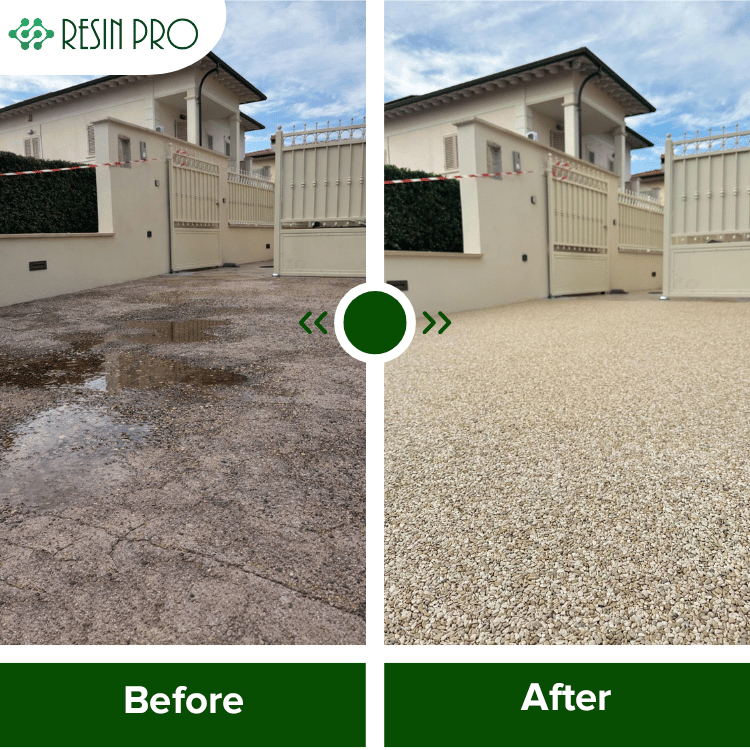
Planning a sustainable and attractive outdoor space means considering how water will flow and drain from your plaza or pathway. Permeable plazas use specialist materials that allow rainwater to pass through the surface, helping avoid puddles and promoting natural drainage. In this guide, discover how to create a permeable plaza using reliable UK-ready solutions like the “Flowstone” – Complete Permeable Floor Kit with Pebbles and Resin and Washed Pebbles for Permeable Floors 25kg – Outdoor Resin-Bound Surfaces.
What is a Permeable Plaza?
A permeable plaza is an outdoor space—such as a patio, footpath, or civic square—constructed using materials that allow water to filter through. This approach helps reduce surface runoff, prevents flooding, and supports urban sustainability. In the UK, weather conditions make permeable solutions particularly important for driveways, walkways, and gathering spaces.
When you choose systems like resin-bound pebble kits, you benefit from improved drainage, long-lasting durability, and a range of customisation options.
Permeable Plaza Construction: Product Comparison Overview
The most effective way to create a permeable surface is with a resin-bound system. ResinPro offers two essential solutions for this:
- “Flowstone” – Complete Permeable Floor Kit with Pebbles and Resin: This all-in-one kit provides a straightforward method for creating durable, joint-free floors that allow water to drain through. Each kit is sized for your specific surface area and includes a high-quality resin—non-yellowing polyurethane for white pebbles, or low-yellowing epoxy for coloured stones—to ensure colour integrity and resilience. Ideal for patios, pedestrian paths, driveways, and plazas exposed to the elements.
- Washed Pebbles for Permeable Floors 25kg – Outdoor Resin-Bound Surfaces: These pre-washed, natural pebbles (4–8 mm) are eco-friendly and immediately ready to use for custom permeable installations. They enable excellent drainage and can be blended with marble or granite granules for distinctive outdoor landscapes.
Compare and explore more in our Pebble Floors selection.
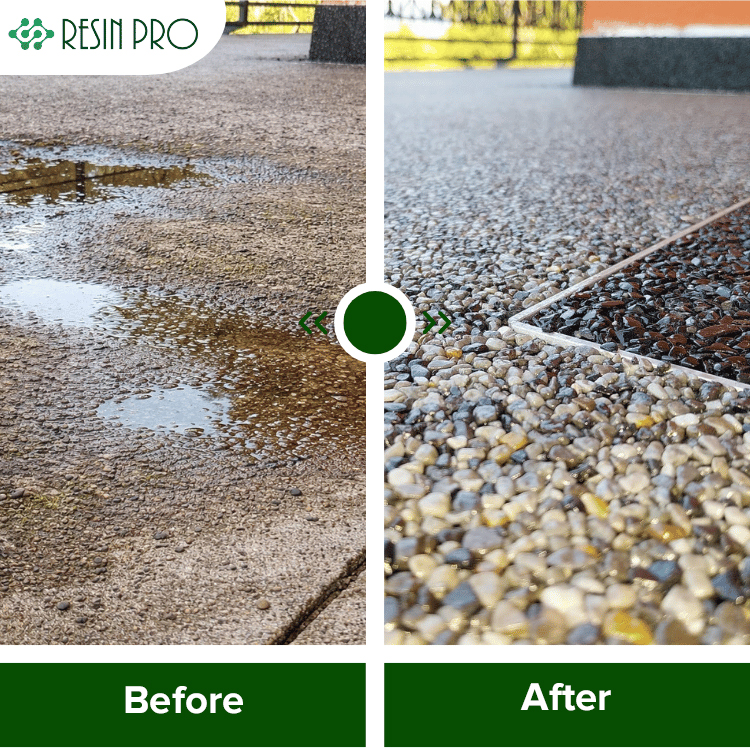
How Resin-Bound Floors Support Drainage
Unlike traditional paving, resin-bound systems—like the Flowstone Kit—create a strong, joint-free surface that allows rainwater to drain straight through. This structure dramatically reduces surface runoff, makes puddles a thing of the past, and is ideal for plazas, pathways, and terraces in the changeable British climate.
By pairing specialist resin with washed pebbles, you achieve a balance of durability, drainage, and visual appeal that outperforms concrete or tarmac for many outdoor applications.
Step-by-Step Guide to Building a Permeable Plaza
Creating a permeable outdoor plaza is straightforward with the right products and approach:
- Prepare the substrate by ensuring a stable, compacted and well-draining base.
- Spread a base layer of aggregate beneath the planned plaza surface for additional drainage support.
- Mix your chosen resin—using Flowstone Kit instructions for best results—and blend with Washed Pebbles for Permeable Floors or your preferred stones.
- Spread the mixture evenly across the plaza area using a trowel or float, ensuring a uniform, joint-free surface.
- Allow the surface to cure as specified in product guidance. Avoid traffic until the resin has fully set for best durability.
This process is simple to apply whether you are a landscaping professional or a home DIY enthusiast. Both products come with full application guidance.
Benefits of Resin-Bound Permeable Plazas
Permeable resin-bound systems offer numerous advantages:
- Eco-Friendly materials made from natural, washed aggregates and high-quality specialist resin.
- Excellent Drainage prevents puddles and surface runoff, keeping plazas usable even after heavy rainfall.
- Cost-effective renewal extends the lifespan of existing outdoor areas—simply restore surfaces with the complete kit and pebbles.
- Customisable finish options in colour, granule size, and pattern thanks to the diverse range of pebbles available.
- Low maintenance: just sweep regularly and rinse with water to maintain pristine appearance.
- Slip-resistant surfaces ensure pedestrian safety in all seasons.
Our Washed Pebbles for Permeable Floors are perfect for DIY or professional users, while the Flowstone Kit supports everything from small patios to expansive civic spaces.
Why Choose Pebble and Resin Over Concrete?
Resin-bound pebble floors offer flexibility in design and superior drainage performance. Traditional concrete surfaces arenon-permeable, often leading to standing water or ice build-up during winter. Resin-bound solutions not only improve permeability but also bring a customisable, attractive finish to plazas, blending sustainability with modern style.
These systems serve landscape designers, councils, and home improvers seeking long-lasting, low-maintenance outdoor flooring.
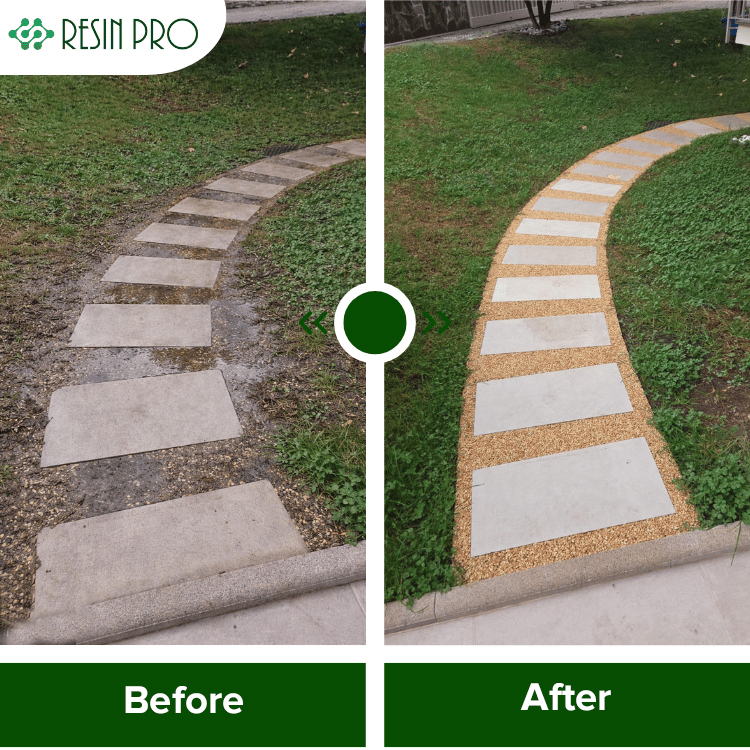
Where to Use Permeable Plaza Systems
Resin-bound permeable floors are ideal for:
- Driveways and footpaths in residential settings
- Public plazas, squares, and terraces seeking enhanced water management
- Patios, courtyards, and gardens where hassle-free application and sustainability are valued
- Paths around commercial or civic installations that require durable and attractive surfaces
For more surface inspiration, browse our dedicated Pebble Floors category.
- "Flowstone" – Complete Permeable Floor Kit with Pebbles and ResinPrice range: £42.85 through £3,389.85The Flowstone permeable pebble and resin kit offers a durable, draining surface solution for patios and paths in the UK climate.
 Washed Pebbles for Permeable Floors 25kg – Outdoor Resin-Bound Surfaces£26.85Washed Pebbles for Permeable Floors provide pre-washed stone aggregates designed for resin-bound outdoor surfaces with permeability and…
Frequently Asked Questions
What is a permeable floor?
A permeable floor is designed to let rainwater pass through it, avoiding water stagnation and helping drainage into the subsoil. This is essential for reducing puddles and supporting eco-friendly water management outdoors.
Are permeable floors suitable for high-traffic areas?
Yes, when installed with appropriate materials, permeable pebble and resin floors can withstand pedestrian areas, driveways, and car parks, offering robust performance in high-use public and domestic zones.
Can I install a permeable floor myself?
Absolutely. Both the Flowstone Kit and Washed Pebbles are designed for straightforward installation without specialist skills. Full instructions, video support, and technical advice are readily available to guide you throughout.
What are the best aggregate sizes for permeable resin-bound floors?
The Washed Pebbles for Permeable Floors 25kg use stones sized 4–8 mm in diameter, chosen for optimal permeability and performance with resin binder systems.