 Free shipping on orders over £29,85
  Shipping Tracking!


 Google
 Facebook
How do you cover an old industrial concrete floor with resin?
Step-by-step guide for a resilient, long-lasting industrial finish
Upgrading an old industrial concrete floor with resin can radically enhance both the appearance and durability of your surface. Whether revitalising a workshop, warehouse or commercial space, a resin coating transforms worn, porous concrete into a seamless, easy-to-clean and professional finish. This guide takes you through each step for a reliable, lasting outcome on even the most challenging industrial floors.
What You’ll Need
- “Epoxyprimer” – Universal Water-Based Two-Component Epoxy Floor Primer: A water-based epoxy primer for preparing stable and durable floor surfaces before resin application.
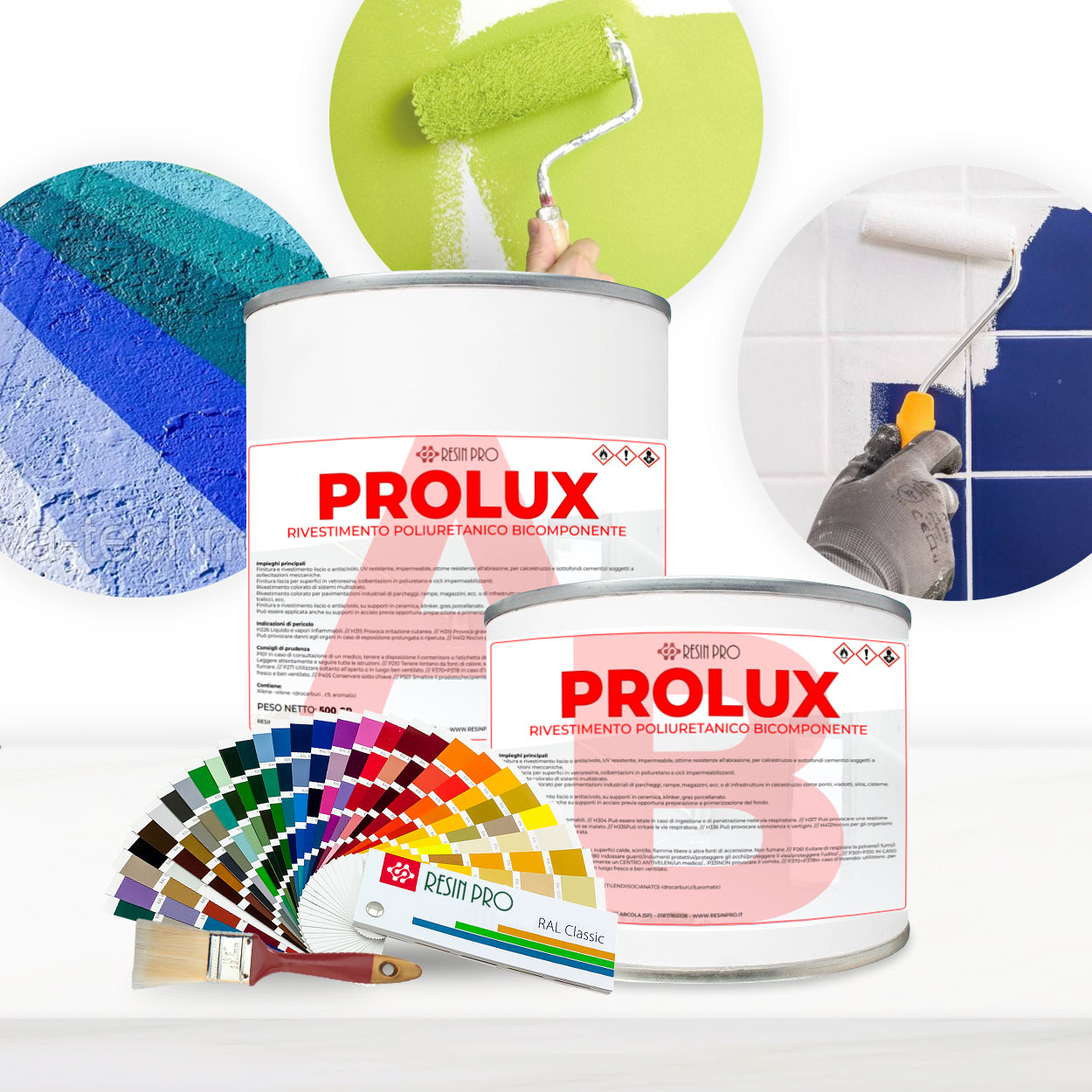
- “Prolux” – PU coating for tiles, concrete, plastic and metal – suitable for driveable surfaces: Two-component polyurethane coating for durable protection of floors, tiles and industrial surfaces.
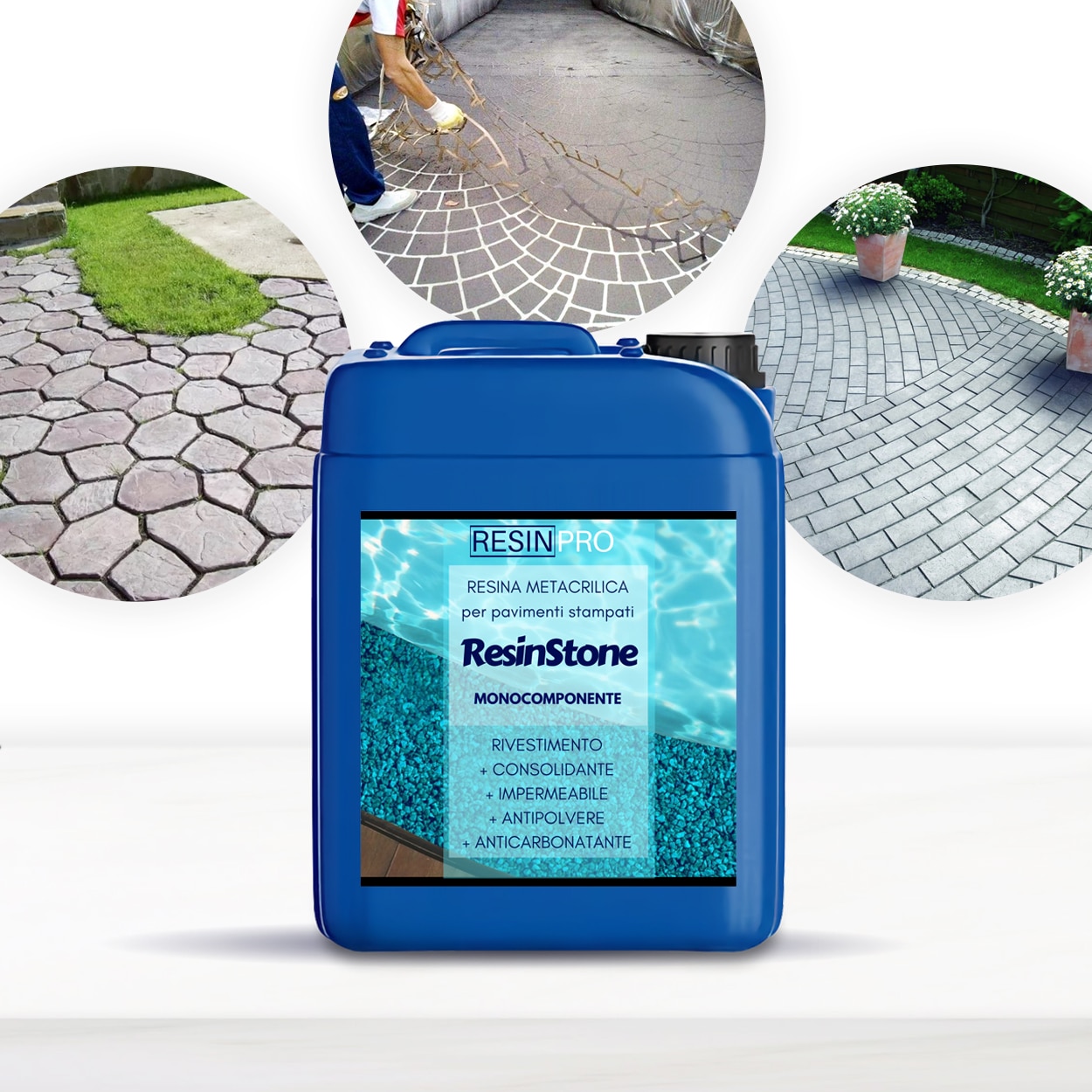
- “Resinstone” – One-Component Methacrylic Resin for Concrete Floors and Driveways: A one-component methacrylic resin for sealing and protecting concrete floors and driveways with moisture resistance and durability.
- Industrial vacuum cleaner or broom
- Mop and degreaser solution
- Protective gloves and mask
- Rollers or brushes for resin application
- Mixing bucket and paddle (for 2-component products)
- Repair mortar (if cracks or pits are present)
- Painter’s tape (for perimeter masking)

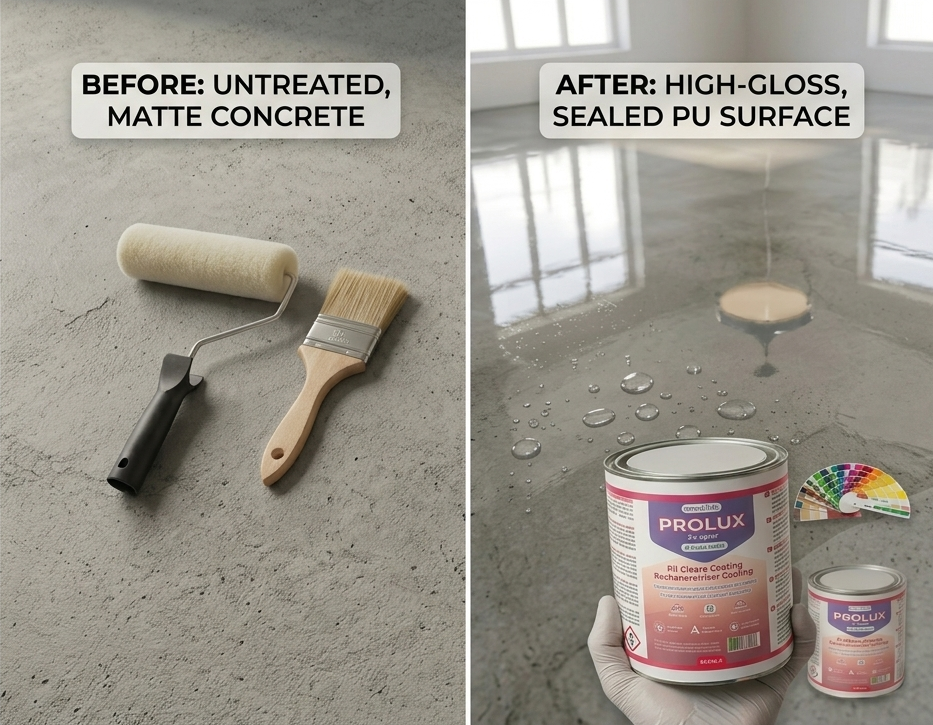
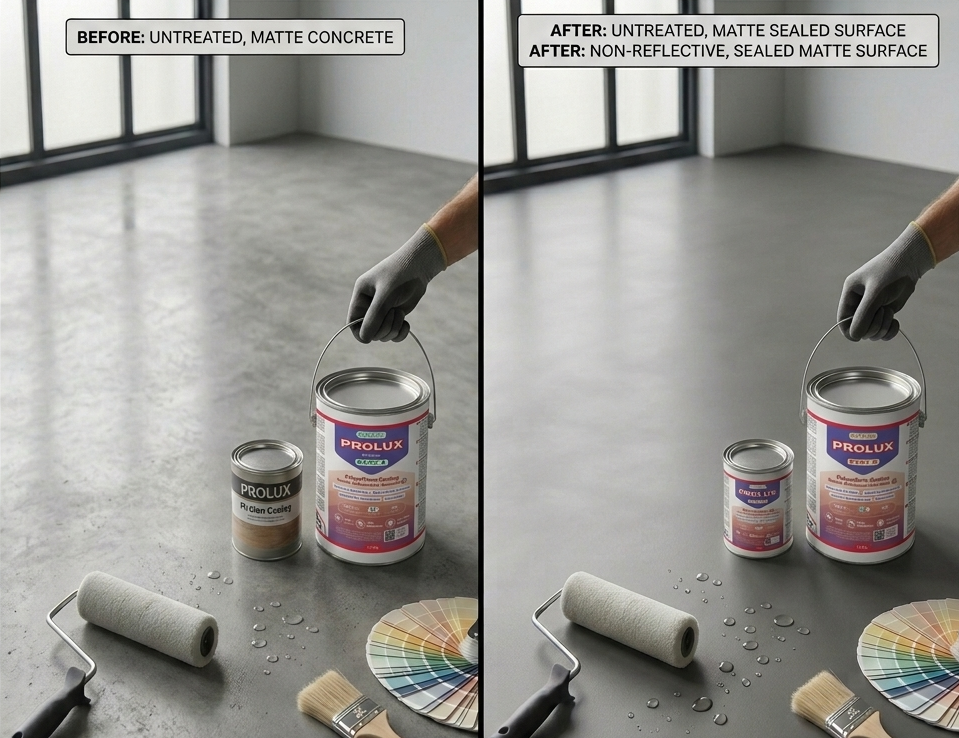
See the Surface Transformation
Before and after images demonstrate the dramatic improvement a resin coating brings to old industrial floors. From cracked and stained to vibrant, smooth, and modern, resin seamlessly renews even the most tired surfaces.
Step 1: Clean and Assess the Concrete Surface
Thorough cleaning is essential for a successful resin floor. Begin by removing all debris, dust, old paint, oils, and contaminants using an industrial vacuum or broom. Mop the floor with a degreaser solution to banish any residues that could interfere with adhesion. Allow the surface to dry completely before proceeding to inspection.
Check for cracks or surface damage before proceeding. Examine the concrete for damage, cracks, or spalling. Any imperfections should be repaired using a suitable mortar. Skipping proper floor repairs will lead to telegraphing through the resin and can compromise the floor’s longevity.
Step 2: Prime the Surface
Applying a primer enhances resin adhesion and helps seal porosity, especially crucial for aged industrial concrete. Use painter’s tape to mask room edges or adjoining areas.
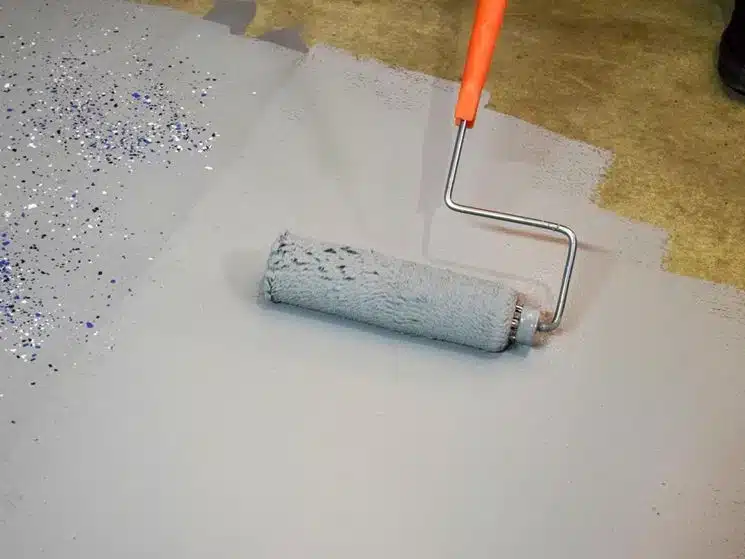
“Epoxyprimer” – Universal Water-Based Two-Component Epoxy Floor Primer is ideal for this step, designed for concrete and industrial floors. Mix the components following the manufacturer’s instructions and apply with a roller or brush, ensuring even coverage. Leave to cure fully (usually 24–48 hours), as premature application of resin can trap moisture and reduce adhesion.
Do not rush this phase: uneven priming or incomplete curing are common sources of later bubbling or poor resin bonding.
Step 3: Apply the Resin Coating
Once primed and fully cured, choose your topcoat based on the environment and desired finish. For industrial or driveable areas, a polyurethane or specialised resin is recommended for durability and chemical resistance.
“Prolux” – PU coating for tiles, concrete, plastic and metal – suitable for driveable surfaces offers a tough, UV-resistant finish perfect for warehouses and high-traffic zones. Mix components as instructed (usually 2:1 ratio) and apply evenly using a roller, taking care to avoid puddling or thin patches. Allow the first coat to set before recoating if required for your selected product and use case.
For areas needing breathable waterproofing or fast turnaround, “Resinstone” – One-Component Methacrylic Resin for Concrete Floors and Driveways is another excellent option, particularly on residential or outdoor industrial paths. This can be applied in a single pass and is touch-dry within 12 hours for rapid rehousing of the area.
Step 4: Finishing Touches and Curing
After application, leave the floor undisturbed for the recommended curing time—generally 12–48 hours before light foot traffic and up to a week before full service in heavy-use settings. Remove masking tape before the resin fully hardens to ensure clean lines.
Avoid cleaning with water or chemicals until the floor has achieved full cure. If required, lightly dust or sweep only after the resin is no longer tacky.
Tips and Common Mistakes to Avoid
Always follow manufacturer instructions for ratios and curing times. Deviations can result in soft spots, poor adhesion, or an uneven surface.
Resin floors are sensitive to humidity and temperature fluctuations. Work in a stable, dry environment and avoid application during rainy or exceptionally cold periods.
Protect against chemical spills to maintain the finish. Even high-performance resins benefit from prompt cleanup and avoidance of harsh chemicals.
Insufficient surface preparation is the most common cause of failure. Take the time to clean, repair and prime thoroughly for professional, long-lasting results.
Professional Insight on Application Techniques
Proper rolling, mixing, and curing are essential for achieving a flawless resin floor finish. Internal videos and photo guides offer visual support on roller technique, handling joints, and troubleshooting pinholes or bubbles during application.

- "Epoxyprimer" – Universal Water-Based Two-Component Epoxy Floor PrimerPrice range: £156.45 through £286.45"Epoxyprimer" is a water-based primer designed for reliable adhesion on concrete, wood, tiles and screeds within resin flooring.
- "Prolux" – PU coating for tiles, concrete, plastic and metal – suitable for driveable surfacesPrice range: £44.85 through £494.85"Prolux" is a polyurethane coating designed for tiles, concrete and metal surfaces, suitable for driveable floors in industrial settings.
- "Prolux" – PU coating for tiles, concrete, plastic and metal – suitable for driveable surfacesPrice range: £44.85 through £494.85"Prolux" PU coating offers a durable polyurethane finish suitable for tiles, concrete and metal with various gloss options.
- "Resinstone" – One-Component Methacrylic Resin for Concrete Floors and DrivewaysPrice range: £36.71 through £336.48"Resinstone" is a one-component methacrylic resin designed for sealing and protecting concrete floors with durable, waterproof and quick-drying…
Frequently Asked Questions
Can you resin over old concrete flooring?
Yes, with proper cleaning, repair, priming, and choice of resin, old industrial concrete can be successfully covered.
Is a primer necessary before applying resin?
Yes, primer seals the concrete and ensures optimal adhesion, reducing the risk of peeling or bubbling in the resin coat.
How thick should an industrial resin floor be?
Layer thickness depends on the system; 2–3mm is typical for coatings, while heavy-duty areas may need thicker overlays.
Do I need a special resin for driveable or high-traffic areas?
Yes, use a high-performance or polyurethane resin to withstand vehicle loads and abrasion without premature wear.
What if there's moisture in the old concrete?
Moisture can cause delamination. Always ensure surfaces are dry, and consider breathable resin options for damp situations.
How long does a resin floor take to fully cure?
Most resin floors are touch-dry within 12–48 hours, but complete curing for heavy loads can take up to 7 days.
Can I apply industrial floor resin myself?
Yes, straightforward products make DIY possible, but careful prep and adherence to directions are vital for a professional result.