 Free shipping on orders over £29,85
  Shipping Tracking!


 Google
 Facebook
How do you dispose of resin?
Practical steps for responsible and eco-friendly resin disposal

Disposing of resin waste requires careful attention not only for environmental reasons, but also to keep your workspace and home free from hazards. Understanding the right way to get rid of both liquid and cured resin ensures you comply with local regulations and avoid polluting water systems. This guide covers the best practices for disposing of leftover resin, cleaning supplies, and contaminated water, so you can work confidently and responsibly with resin products.
What You’ll Need
- Strong Technical Degreaser for Resin Projects – 100% Natural Formula: For cleaning up resin residues on surfaces and tools.
- Pure Isopropyl Alcohol 99.9% – 1000ml Bottle for Epoxy Resin Projects & DIY: Ideal for cleaning resin off tools and small spills.
- Protective gloves, rags, and suitable refuse containers (for cured resin waste).
Why Responsible Resin Disposal Matters
Proper handling of resin waste reduces environmental harm and keeps your plumbing and community safe. Following best disposal practices helps prevent water pollution and accidental contact with hazardous chemicals.
Step 1: Identify the Type and State of Your Resin Waste
Before you dispose of any resin, assess whether you are dealing with uncured (liquid) resin, resin-contaminated cleaning liquids, or fully cured resin. Uncured resins can be harmful to water systems and wildlife, while cured resins are inert and safer for standard disposal. Knowing the type will determine the safest and most compliant method for getting rid of it.
Never pour uncured resin down the sink or drain, as it may solidify in pipes and pollute local water sources. Always check local council guidance, as disposal methods can differ depending on your area.
Step 2: Solidifying and Disposing of Unused or Leftover Resin
The most responsible way to dispose of leftover or expired liquid resin is to allow it to cure fully. Once resin cures, it transforms into an inert plastic, making it suitable for general waste disposal in most regions. Mix any leftover resin and hardener (or, in the case of single-component resins, activate it as per instructions) and let it harden in a safe, ventilated area, ideally in a disposable container.
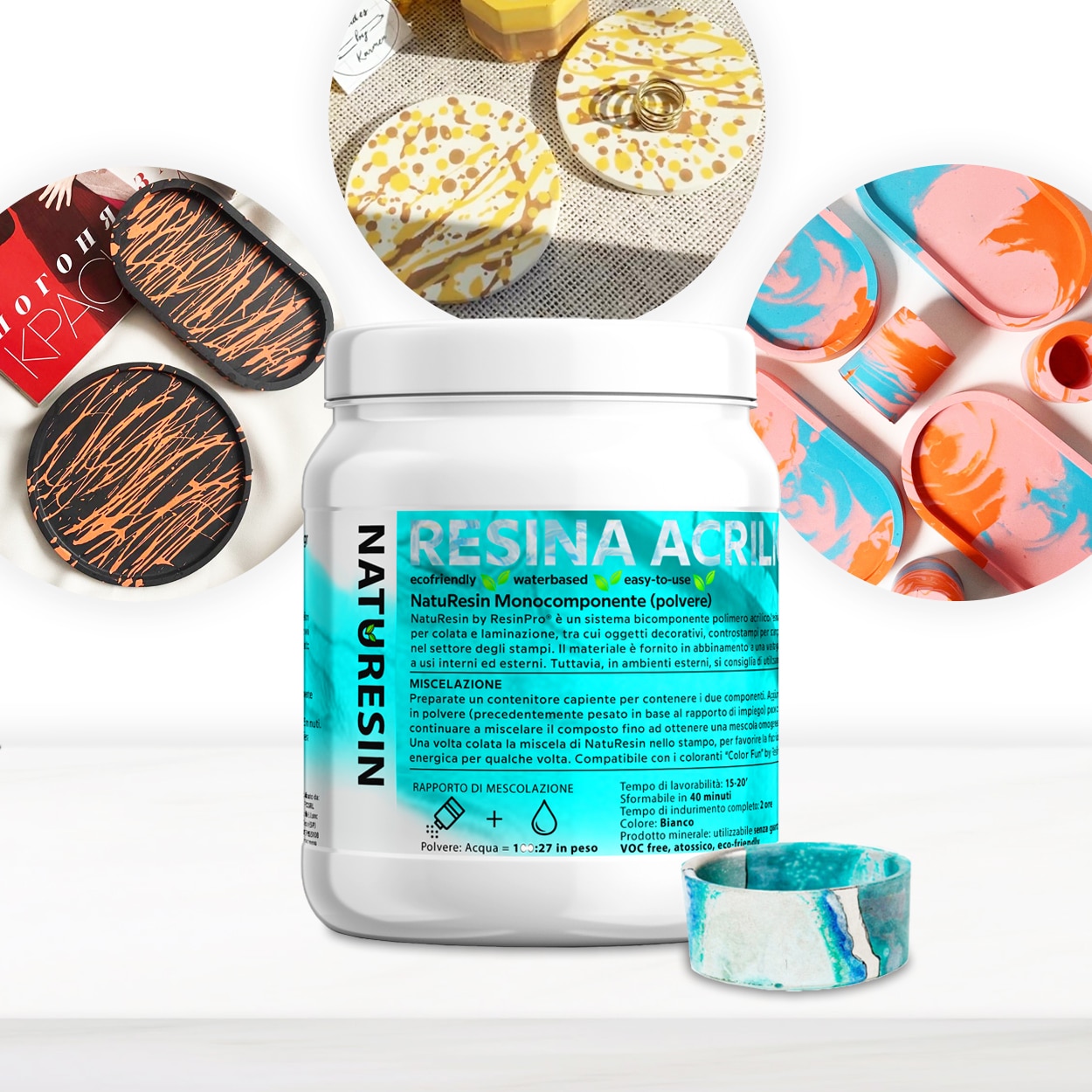
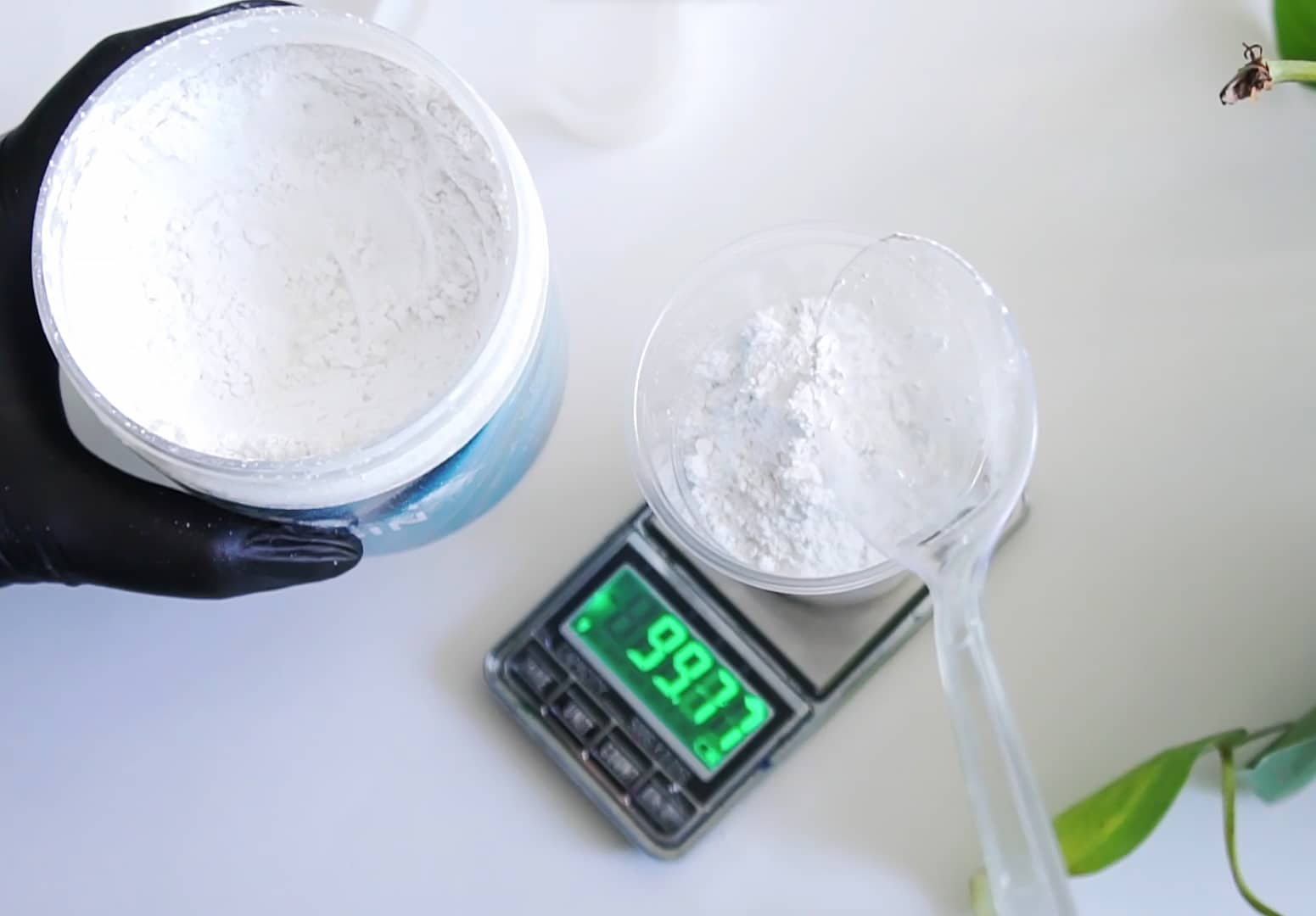
Allow leftover resin to fully cure before disposal. If you’re using water-activated products such as “NatuResin” – Mineral Resin & Water System for Creative Casting and Crafts, simply add the proper volume of water and leave undisturbed until fully set.
Once fully hardened, scrape or break the cured resin into smaller pieces and dispose of it with your household waste, unless your council recommends a separate stream.
Step 3: Cleaning and Managing Tools, Brushes, and Surfaces
After working with resin, promptly clean your tools and work surfaces to avoid stubborn build-up and reduce the amount of hazardous residue left to dispose of. For epoxy and polyurethane projects, start by wiping off as much uncured material as possible with paper towels or rags.
Use a gentle, effective cleaner such as the Strong Technical Degreaser for Resin Projects – 100% Natural Formula to remove persistent residues. For sticky tools or mixing cups, Pure Isopropyl Alcohol 99.9% assists in dissolving uncured resin. Work in a ventilated space and wear gloves to protect your skin.
Used paper towels, wipes, or rags that have come into contact with uncured resin should be sealed in a bag and disposed of with hazardous or chemical waste according to your local regulations.
Step 4: Handling Cleaning Liquids and Contaminated Water Responsibly
Never dispose of containers filled with isopropyl alcohol, degreaser solution, or resin-contaminated water down any drain. Small amounts can often be left to evaporate in a fire-safe, ventilated area. Once evaporated, the residue can typically be scraped up and treated as cured resin waste.
If evaporation is not practical, check with your council about hazardous waste collection. Clean tools and surfaces promptly to minimise build-up and reduce the volume of solvents you need to manage.
Step 5: Local Disposal Guidelines and Environmental Considerations
Always comply with your local council’s advice on chemical and hazardous waste disposal. Some municipalities require special drop-off points or collection dates for resin-derived waste. Contact your local authority for hazardous waste requirements before disposing of larger amounts or commercial project by-products.
Tips and Common Mistakes When Disposing of Resin
- Double-check local requirements—waste regulations differ by council and property type.
- Seal any containers holding uncured resin or solvent-based residue tightly to prevent leaks and fumes.
- Avoid burning resin waste as fumes can be harmful and illegal in most regions.
- When in doubt, always err on the side of caution and treat liquid or uncured resin as hazardous waste.
- Whenever possible, purchase and mix only the quantity of resin you need to minimise leftover material.
Summary: Safe Practices for Every Resin User
Disposing of resin responsibly protects both your health and the planet. Careful curing, containment, and attention to local requirements make resin crafting more sustainable for everyone.
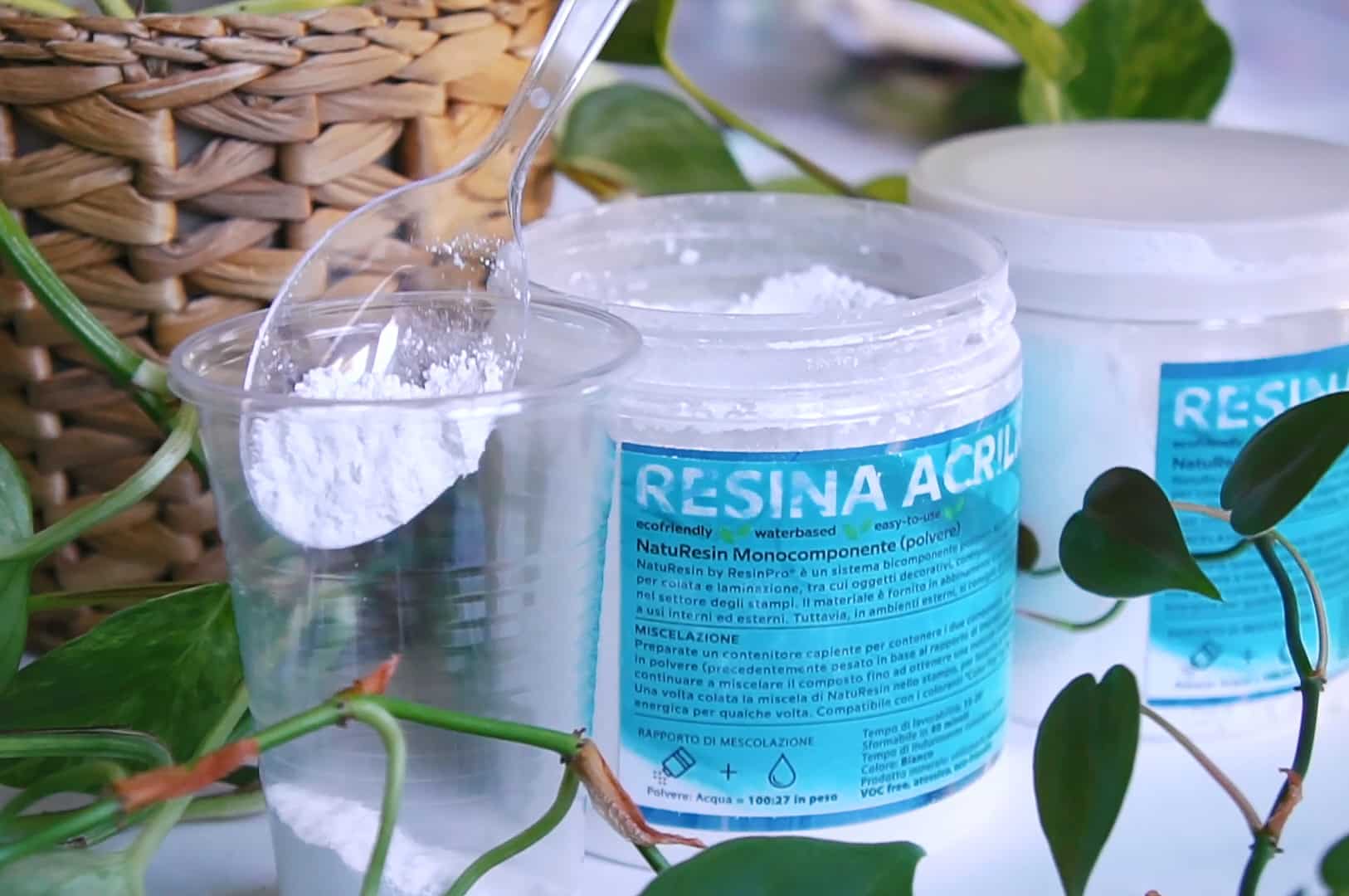
- “NatuResin” – Mineral Resin & Water System for Creative Casting and CraftsPrice range: £18.95 through £104.95NatuResin is a water-activated mineral resin designed for crafting creative decorative items with an eco-friendly and solvent-free formula.
- Strong Technical Degreaser for Resin Projects – 100% Natural FormulaOriginal price was: £10.95.£9.45Current price is: £9.45.A natural degreaser suitable for resin projects and various surfaces, designed for gentle and effective cleaning.
 Pure Isopropyl Alcohol 99.9% – 1000ml Bottle for Epoxy Resin Projects & DIYPrice range: £10.45 through £20.95Pure Isopropyl Alcohol 99.9% is suitable for epoxy resin projects, helping to remove bubbles and create effects in resin art.
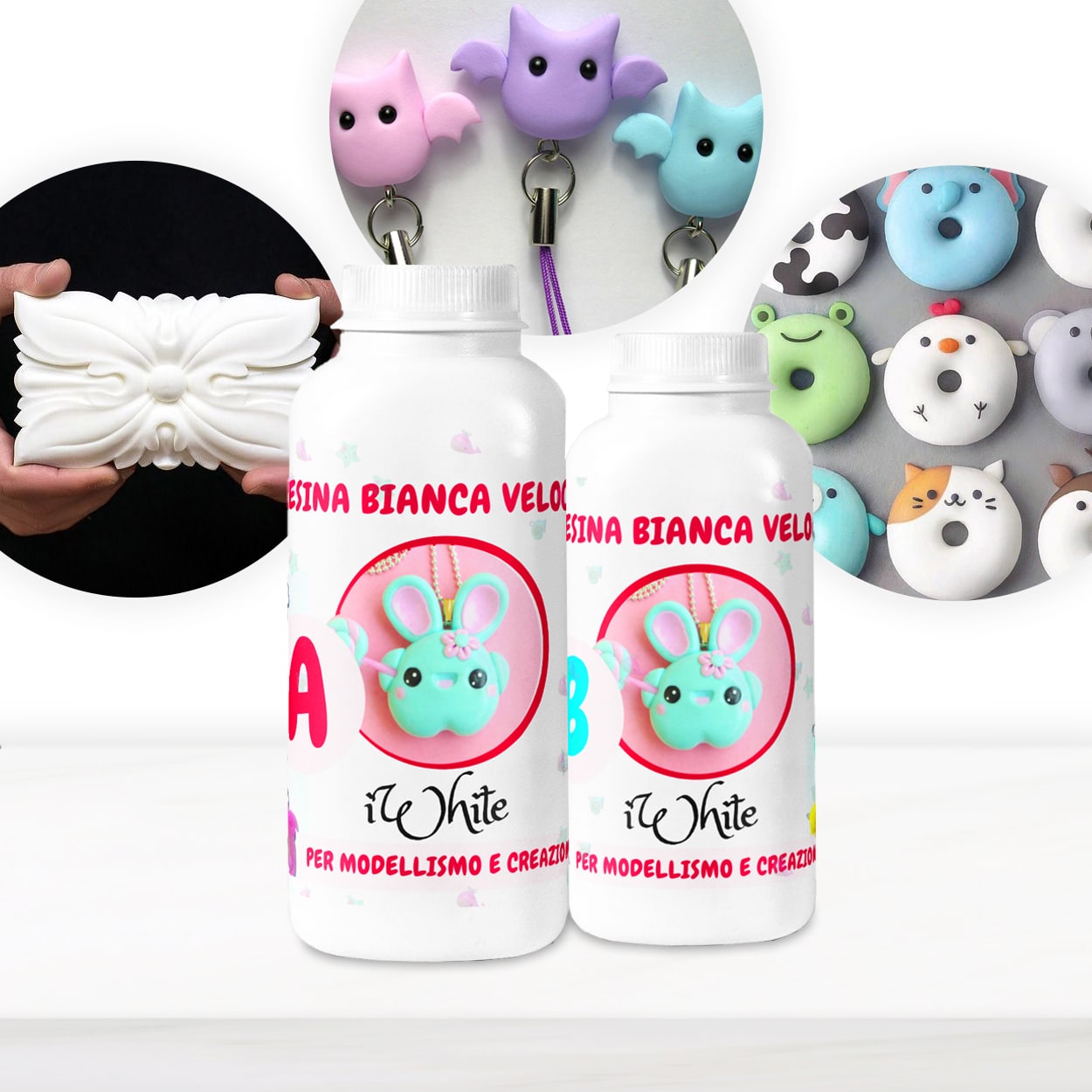 “IWhite” – Polyurethane Casting Resin – White, Fast-Curing Two-Part SystemPrice range: £24.00 through £36.95“IWhite” is a fast-curing polyurethane resin designed for detailed casting and rapid prototyping suitable for various modelling projects.
Frequently Asked Questions
Can I throw fully cured resin in the household bin?
In most UK regions, fully cured resin can be disposed of in general household waste, but always check your local council's regulations first.
How should I dispose of leftover or unused liquid resin?
Uncured resin should not go down the drain. Instead, cure it as per product instructions, then dispose of the hardened resin as general waste.
Is resin waste harmful to the environment or water supply?
Liquid resin is considered hazardous and can pollute waterways. Proper curing and disposal with general household waste is essential.
What is the best way to clean tools after using resin?
Clean tools with a natural degreaser or isopropyl alcohol, and dispose of cleaning rags as hazardous or chemical waste if they contain uncured resin.
Can I pour unused resin or cleaning liquids down the sink?
No, pouring resin or cleaning liquids down the sink can cause plumbing issues and environmental pollution.
How should I dispose of paper towels, wipes, or rags with resin on them?
Bag and seal these items, then dispose of them as hazardous or chemical waste according to your council's guidelines.
Are water-based mineral resins easier or safer to dispose of?
Water-activated mineral resins cure with less chemical residue and are generally safer for disposal after full curing.