 Free shipping on orders over £29,85
  Shipping Tracking!


 Google
 Facebook
How do you lay a monochromatic resin floor?
Professional steps for seamless, single-colour resin floors
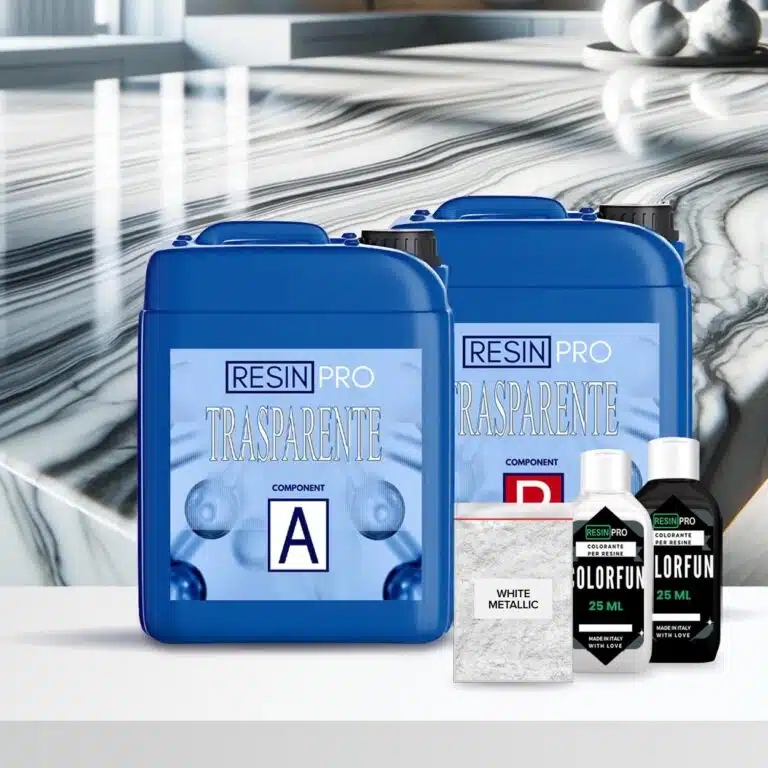
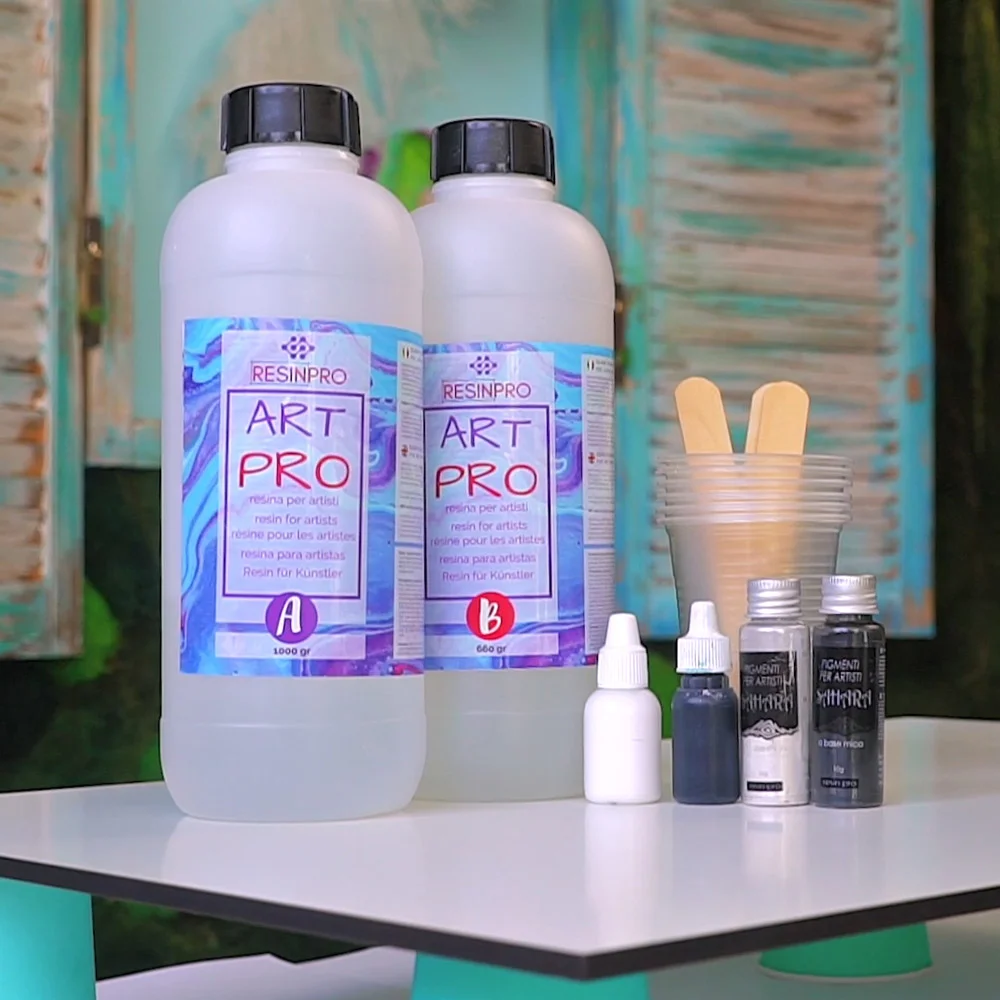
Achieving a flawless, single-colour resin floor can completely transform the appearance of modern interiors. Whether you are renovating a home, commercial space, or workshop, following the right steps ensures exceptional durability and a sleek, uninterrupted finish. This guide explains each stage of installing a monochromatic resin floor for both first-timers and experienced DIYers.
What You’ll Need
- Heavy Duty Scraper for Paint and Epoxy Resin Removal: A vital tool for efficient removal of paint, tiles, or old adhesives from the base surface.
- “Epoxyprimer” – Universal Water-Based Two-Component Epoxy Floor Primer: To promote strong adhesion and provide a resilient foundation for the resin layer.
- Your preferred monochromatic floor resin system (ensure it is specified for flooring applications).
- Protective gloves and safety eyewear.
- Mixing containers, rollers, brushes, or a trowel as required.
- Clean cloths and vacuum or broom.
- Masking tape for neat edges.

Choosing the Right Preparation Tools
Superior surface preparation is the foundation of a quality resin floor. Using dedicated tools such as a Heavy Duty Scraper for Paint and Epoxy Resin Removal enables efficient removal of stubborn materials, delivering a clean and even substrate essential for resin application.
Step 1: Prepare and Clean the Substrate
Preparation is essential for a long-lasting resin floor. Start by removing any old floor coverings, paint, or adhesives using manual or mechanical means. Any traces of dust, grease, and loose debris should be meticulously removed to ensure the resin bonds effectively to the substrate. Use a vacuum or broom to thoroughly clean the area and inspect for cracks or damage. Fill and level any imperfections to achieve a smooth surface.
If working over existing concrete, tiles, or timber, particular care should be taken to provide a uniform, dry base. This prevents trapped moisture and ensures that the resin adheres consistently. A Heavy Duty Scraper for Paint and Epoxy Resin Removal is ideal for preparing and cleaning stubborn areas, leaving the substrate ready for priming.
Step 2: Prime the Surface for Optimal Adhesion
Applying a primer seals the substrate and promotes a strong bond. For a range of surfaces such as concrete, timber, tiles, or screeds, consider using “Epoxyprimer” – Universal Water-Based Two-Component Epoxy Floor Primer, following the mixing and application instructions carefully. Distribute the primer evenly with a roller or brush and allow it to dry thoroughly—typically 24 to 48 hours—before proceeding.
This crucial step helps to prevent bubbles and delamination. Ensure there is good ventilation during curing, and avoid foot traffic on the primed area until it has fully set. Check the manufacturer’s guidelines for recommended drying times according to substrate and climate conditions.
Step 3: Mix and Apply the Monochromatic Resin
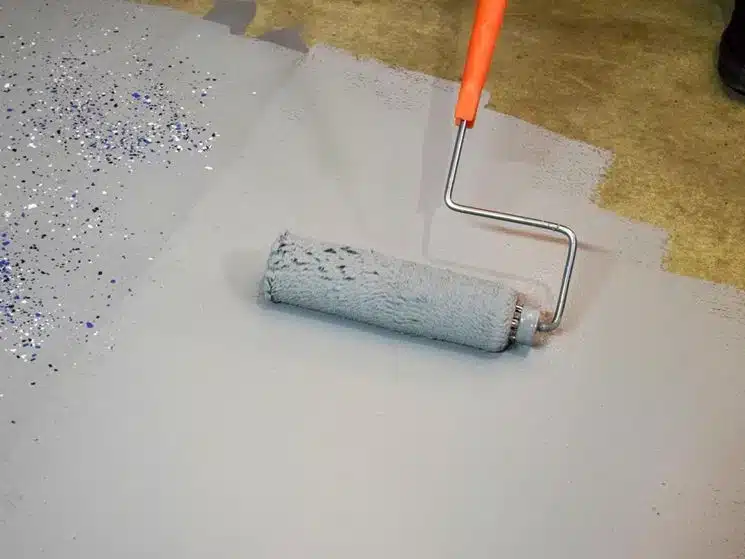
Once the primer is cured, prepare your chosen monochromatic resin system as outlined by the product instructions. Accurate mixing of resin and hardener is essential to ensure even curing and colour uniformity across the floor. Pour the mixture out onto the surface and spread it with a trowel, roller, or squeegee in overlapping strokes, maintaining a consistent depth according to the specifications.
Depending on the resin system, you may be able to achieve a high-gloss, matt, or satin finish. Always work methodically, section by section, to avoid visible joints or lap marks. Maintain a wet edge while working to ensure a continuous, seamless floor.

Step 4: Allow the Floor to Cure and Finish Neatly
After application, protect the area from dust, moisture, and movement. Allow the resin to cure completely, which can take 24 to 72 hours depending on the product and environmental conditions. Avoid walking on the surface until fully hardened to prevent marks or indentations.
Once cured, remove masking tape and check for any minor imperfections or trapped debris, correcting these if necessary with gentle sanding and spot touching. The floor is now ready for use, offering a highly resilient, uniform monochromatic appearance.
Tips, Troubleshooting and Common Mistakes
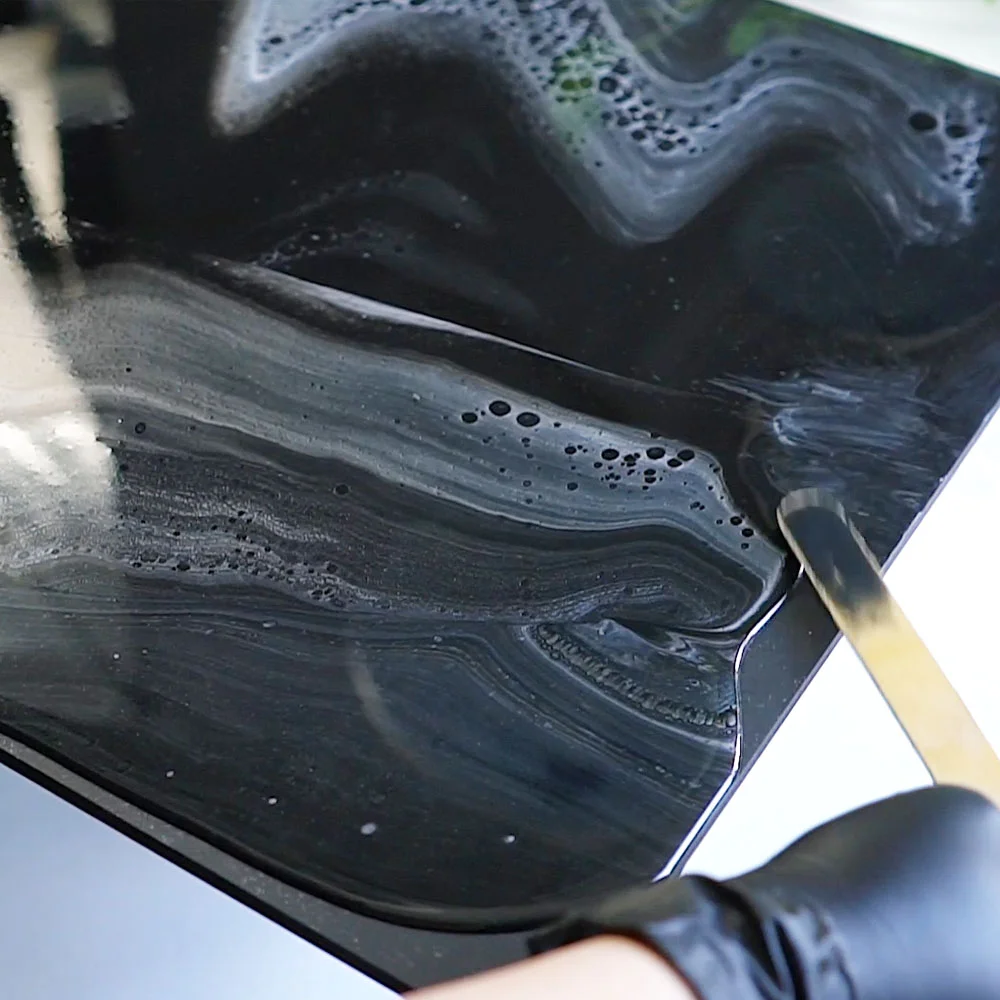
Always check the moisture content of substrates, as excess moisture can cause resin floors to fail over time. Mixing errors can lead to uneven colour or incomplete curing—measure accurately. Work in a well-ventilated environment and use protective equipment. Address bubbles quickly with a spiked roller if your system allows. For detailed edges, use masking tape and remove it before full curing to avoid tearing the resin.
If you notice issues such as poor adhesion, peeling, or visible waves, assess whether preparation or priming was inadequate and correct before attempting repairs or reapplication. Take time to plan your workflow in advance, especially on larger surfaces, to ensure a seamless result.
Curing and Maintaining Your Resin Floor
For long-lasting durability and appearance, allow your resin floor to cure fully before subjecting it to foot traffic or moving furniture back into place. Keeping the area free from dust and debris during curing prevents imperfections and contributes to a flawless finish.

- "Epoxyprimer" – Universal Water-Based Two-Component Epoxy Floor PrimerPrice range: £156.45 through £286.45Epoxyprimer is a water-based epoxy floor primer designed for reliable adhesion and durability with various substrates.
- "Stone Effect Collection" – Marble Epoxy Resin Countertop KitPrice range: £57.95 through £272.95"Stone Effect Collection" offers an epoxy resin countertop kit suitable for achieving professional marble and stone effects on kitchen or bathroom…
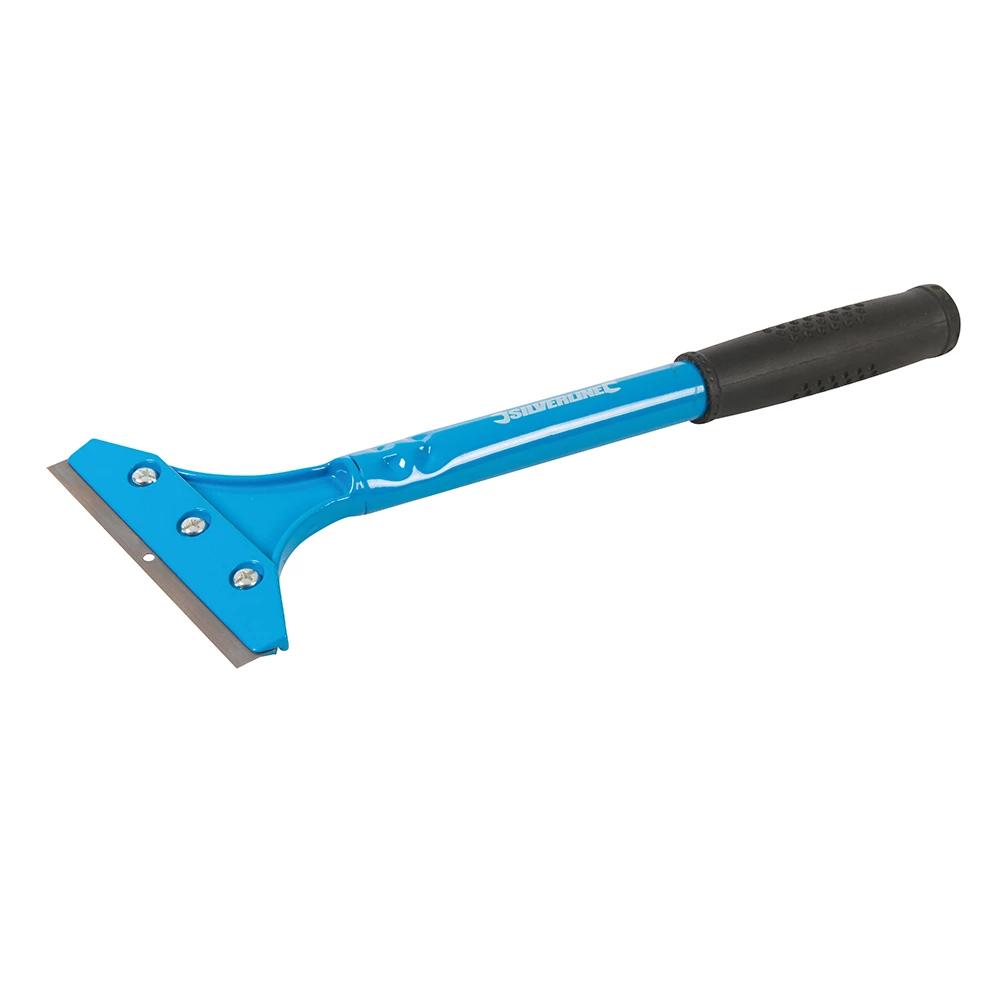 Heavy Duty Scraper for Paint and Epoxy Resin Removal£8.95Heavy Duty Scraper is a versatile tool designed for effective removal of wall coverings, paint and tiles in renovation projects.
Frequently Asked Questions
What type of subfloor preparation is essential for resin flooring?
A smooth, dry, dust-free base is critical—remove any loose materials and fill imperfections before priming.
Why should I use a primer before pouring the resin?
Primers like "Epoxyprimer" maximise adhesion, minimise bubbles and prevent delamination of resin floors.
How long should I wait before walking on a new resin floor?
Wait at least 24–72 hours, checking your resin system’s guidelines for full strength and cure completion.
How can I prevent bubbles in my resin floor?
Remove dust from the substrate, use a spiked roller if compatible, and pour resin slowly to avoid air entrapment.
Is "Epoxyprimer" suitable for wood, tiles, or screed?
"Epoxyprimer" is designed for use on concrete, wood, tiles, and screeds—ensure the surface is perfectly clean and dry.
What are some common mistakes when laying monochromatic resin floors?
Poor preparation, inaccurate mixing, and walking on surfaces before full cure often lead to unsatisfactory results.